Visit our resource hub

HBB Academy

From free support groups to informative podcasts, find the answers, inspiration and community you need – all in one easy place.

Pregnant woman petting her cat beside her partner on a laptop
In-Person Classes
  • =
    Group & Private Classes
  • =
    Holistic Preparation for Birth
  • =
    Lactation 101
  • =
    Newborn Care 101
  • =
    Class Schedule & Booking
Online Courses
  • =
    Explore Courses
  • =
    Lactation 101
  • =
    Comfort Techniques for Labor
  • =
    Guide to Waterbirth
  • =
    Conception Guided Meditation
  • =
    Login & Sign-up
Free Resources
  • =
    Get the Calm Start Toolkit
  • =
    Cheat Sheet for Birth Partners
  • =
    Cesarean Birth Plan Worksheet
  • =
    Labor & Birth Playlists
  • =
    Calm Start Toolkit
  • =
    Explore Our Freebies
Donation-Based Groups
  • =
    See All Support Groups
  • =
    Pregnancy Support Group
  • =

    Postpartum Group
    (3 Locations Offered!)

  • =
    Dads & Partners Group
  • =
    Play Group
  • =
    Schedule & Booking
Blog
Podcast
Pregnant woman in a yellow off-shoulder top cradling her belly outdoors

Featured

Holistic Preparation for Birth

Trusted, clear, evidence-based guidance to help you prepare for labor with confidence.

More Info & Schedule

Learn Online

Contact for Private

What's New & Trending

Top 5 Reasons to Hire a Birth Doula

Blog

Doula and Birth Care

=

The tool to help make any decision: B.R.A.I.N.

Blog

Mindset and Wellness

=

The Golden Hour: Protecting the Sacred First Moments After Birth

Podcast

Labor Education

=
Resources

Get to Know Our Team!

Meet the people, values, and experience behind Holistic Birth & Beyond.

About HBB

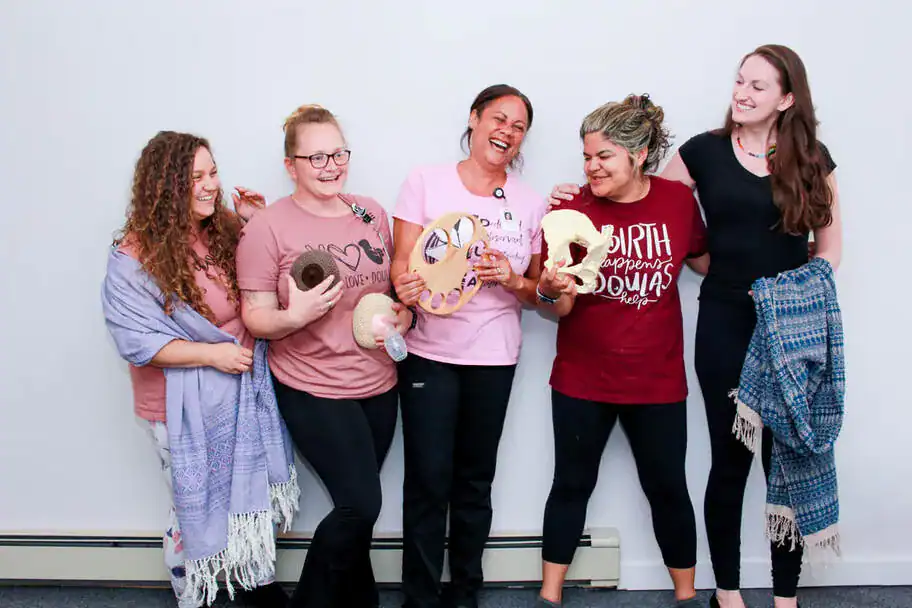
The Holistic Birth & Beyond team laughing together

We're here to help

Get in touch with Holistic Birth & Beyond today and discover how we can support you and your family as you grow.

  • 660 Mast Road, Manchester, NH 03102
  • 603.851.1595
  • hello@holisticbirthandbeyond.com

Want to stay in the loop?

By submitting your email, you agree to receive promotional emails from Holistic Birth & Beyond. You can unsubscribe at any time.

About
Holistic Birth & Beyond - Logo
Doula changing a newborn on the bed as the mother and toddler look on

Visit the Families Hub

Explore trusted support, education, and services for every stage of your family’s journey.

Start Here

Birth Doula Services

Personalized support for the birth experience you envision.

Virtual Birth Doula Services

Compassionate guidance and preparation from the comfort of home.

Postpartum Doula Services

Practical and emotional support as you recover, bond, and find your rhythm.

Placenta Encapsulation +

Thoughtful processing services to support you through the fourth trimester

Explore All Services

We're here to help

Get in touch with Holistic Birth & Beyond today and discover how we can support you and your family as you grow.

Get the Freebie Bundle

Explore Family Resources

The HBB Podcast

Find Your Group

Birth & Parenting Classes

For Families
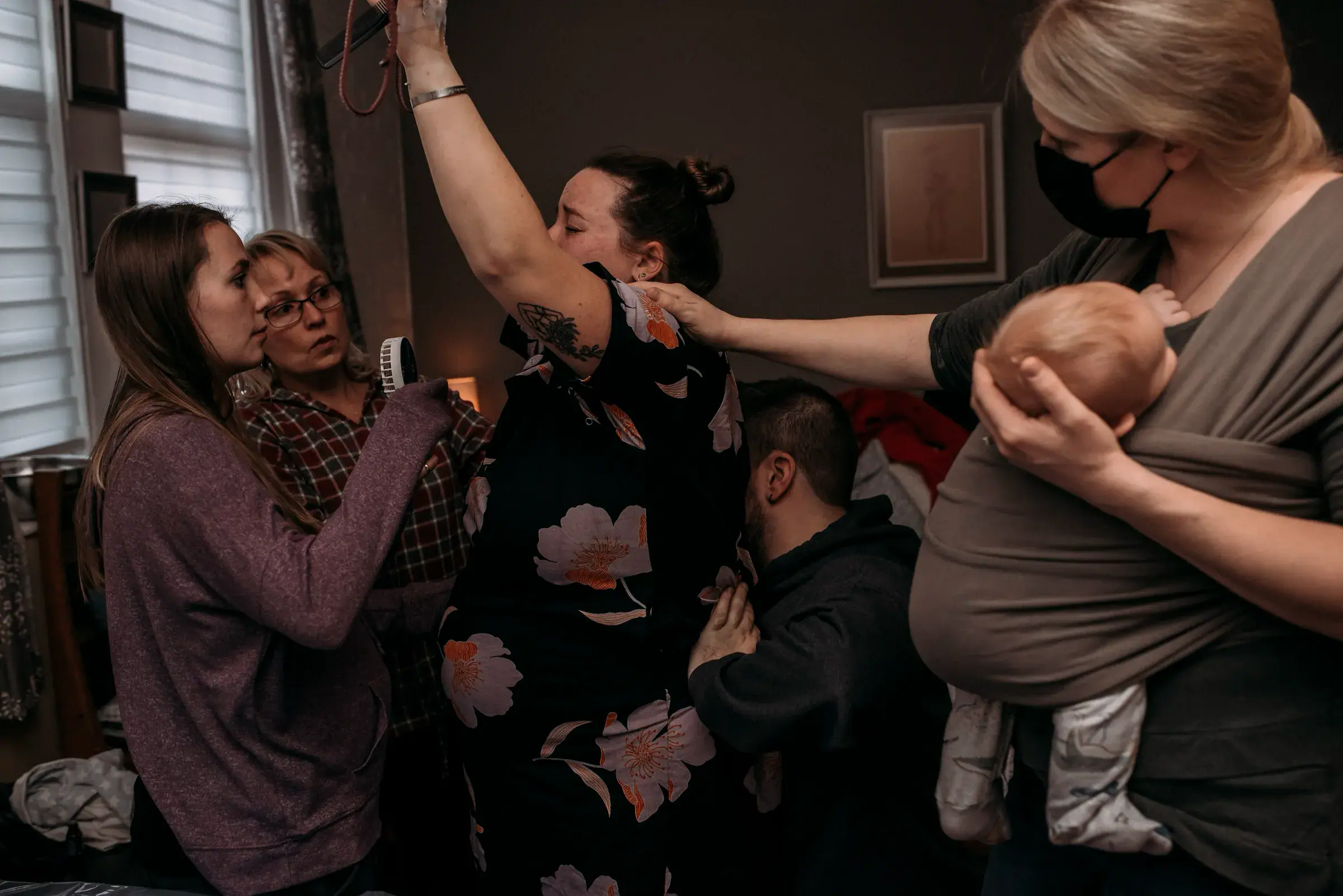
Doulas and family gathered around a mother at a home birth

For Birthworkers

Resources, connections, and professional development for doulas and birth professionals.

Start Here

Careers at HBB

Apply to Join Us

Book a Networking Call

Professional Development

Resources for Professionals

A Day in the Life of a Doula

Podcast

Placenta Services SOP Manual

Online Course

Upcoming Labor Doula Trainings

Blog

Get Updates for Birthworkers

By submitting your email, you agree to receive promotional emails from us. You can unsubscribe at any time.

For Healthcare Providers

Download our referral guide, explore networking opportunities, and learn more about HBB.

Questions?

Get in touch to discover how we can support you and your clients.

For Professionals
Holistic Birth & Beyond - Logo
M
For Families
  • =
    Start Here: Families Hub

Birth Doula Support

Postpartum Doula Support

Virtual Doula Support

Placenta Encapsulation

  • 5
    Explore All Services
Learn
  • =
    HBB Academy

(Free) Calm Start Toolkit

Podcast

Blog

Free Downloads

  • =
    Online Courses

Featured Class: Lactation 101

Learning Portal Login

  • =
    In-Person Classes

Featured Class: Holistic Preparation for Birth

Schedule & Booking

Connect
  • =
    Support Groups for Families

Pregnancy Support Group

Postpartum Support Group

Dads & Partners Support Group

Play Group

  • =
    Schedule & Booking
About
For Professionals

Providing doula and family services to New England and Beyond since 2017.

We are committed to inclusion, equity and accessibility, and welcome and affirm families of every identity, background and structure.

  • 660 Mast Road, Manchester, NH 03102
  • 603.851.1595
  • hello@holisticbirthandbeyond.com
Holistic Birth & Beyond - Logo
a

Postpartum Nutrition 101: Fueling Your Recovery After Birth

You just grew and birthed a human; your body deserves more than cold coffee and crackers. Holistic nutritionist Kristen Mihaly shares how to rebuild your stores, balance your hormones and nourish yourself through postpartum recovery.

Ep. #10

4 min. read

Transcript

0:17
Welcome back to the Holistic Birth Podcast. Today, we have Kristen with us. She’s our first guest speaker! She is a nutritionist, a holistic nutritionist out of Bradford, New Hampshire. She also sees people virtually and she’s gonna chat with us today, on our 10th episode, about postpartum nutrition.

1:10
We’re super excited to have you here. Thank you so much.

Kristen 1:13
Thank you. I’m so excited to be here. And I think it’s such an important topic that can sometimes be overlooked because in that postpartum season, you’re just in like, the total frenzy survival mode and if you fuel your body properly, it can really make a big difference.

1:30
Yeah, definitely. We’re super excited to have you here. I’d love to know how you became a nutritionist, like what led you down that path? Just tell us more about that.

Kristen 1:40
Thank you. So this was never part of my life’s plan. I was a singer songwriter. I’m from Cape Cod, born and raised there. And I was going back and forth between the cape and Nashville and I ate frozen dinners and Oreos, and goldfish like, never thought anything about like, eating and the priority there. And then I got really sick. So I ended up with an autoimmune disease in my spinal cord. Half the team thought it was Lyme disease, half said it was autoimmunity, and was just put on steroids, antibiotics. And from that point, I was in a wheelchair for about eight months.

2:19
Oh my god.

Kristen 2:20
And was told at like 16, 17, we don’t know what’s wrong, we’ve checked for all the big, crazy heavy hitters kind of — good luck. And along that path, someone along the way said why don’t you check out functional nutrition or holistic nutrition. And at that point, if you told me to eat tree bark, like I would have. We can really only go up from here. And that addition into my life really made a huge impact and a really big change. I ended up also being diagnosed with endometriosis and they said fertility would be very difficult, there’s probably no chance of being able to have children. I started working with this practitioner and then when I shifted careers, I got to do my whole preceptorship with them. So it kind of came full circle, which is nice. And then I opened Nourish in 2012. So it’s our 11th year in practice.

3:22
Happy anniversary!

Kristen 3:24
Thank you. And now we see, like Allison was saying, men, women and children. Our youngest client is three months and our oldest client is 89. In person and across the world. So yeah, it’s been an incredible process and one that I’m really grateful for, and it’s shifted my health and the health of my family. And I now have two children. And may I say that these two lovely women were my doulas for the birth of my daughter, Charlotte. So this is such an honor and a gift to be here with you today.

4:04
It was an honor being with you in that time too.

4:06
Yeah, of course.

4:08
Yeah, that’s a I feel like a lot of folks get on this path because they’ve gone through some sort of healing or health crisis sort of thing.

Kristen 4:18
Totally. And the seed was planted younger. I have a brother with severe autism, he’s nonverbal. And 33 years ago, autism was pretty rare. And there was no Google for my parents to search, you know, diet support, but someone along the way, at Boston Children’s said, Why don’t you look at gluten and casein. And my mom was like, if Matt’s going gluten free, we all are and it was like eating cardboard. It was horrible. But that’s when I started to see the connection, but was still like standard American diet. And then when I got sick was when everything kind of came together.

4:56
Yeah, yeah, that makes sense. Yeah,

4:59
Thank you so much for sharing. We were honored to be with you during Charlotte’s birth. I’m so glad that you’ve found a path to healing and better balancing and figuring out what the heck you needed.

Kristen 5:15
Yes. Thank you. And I think it’s important too that we keep that balance that you’re talking about Allison. It doesn’t have to be all or nothing, like we don’t have to go live in a year in the Swiss Alps to have this holistic minded view. We really strive with clients and myself personally in the 80-20 rule of balance. We still want you to enjoy birthday cake on your birthday and a hot dog at a barbecue. But finding the equilibrium can be where the magic happens.

5:48
Yeah, yeah. Cool. So you live on a farm, right? You have your own farm chickens and stuff. Cool.

Kristen 5:54
Chickens and ducks and bees. And we had a bunny. She’s on vacation, we think. And my husband says he won’t do anything he has to milk. But I’m wishing for like a goat or a cow.

6:12
Yeah, that’s super cool. I have chickens and goats and bees. Well, I did have bees. They they didn’t make it. It was a rough winter. So I can totally relate with that. And I feel like a lot of people that have are on the health journey end up having like their own sourced food and everything. Super cool. Awesome.

6:33
Well, we are thrilled to have you. There are so many layers to postpartum and nutrition is clearly something that could not only help with overall healing, but also the recovery, lactation support, your mental health. Could you share with us, Kristen, what is the important link between postpartum nutrition and mental health?

Kristen 6:56
Yes, absolutely. So about 80% of our happy hormones live within our gut. And the gut is known as the second brain. And I sometimes joke in our practice that it’s really like the first because as children, we really honor those like butterfly feelings you have or that intuition, and then that kind of can stretch or change as we age. But your gut really knows what’s going on. And when we fuel that system properly, we see a nice balance in those hormones, things like estrogen, testosterone, but also melatonin, serotonin, dopamine, cholesterol is a hormone. So the big importance there is to make sure with postpartum health that we’re replenishing those babies, though incredible, do suck the life out of us. And they’re stealing your stores. So prenatal nutrition is so important. And I feel like we’re starting to discuss that more and more, but postpartum, it’s like we have to rebuild from the last 10 months. And then if mom does decide to breastfeed, we have to continue those stores as well. And even if mom doesn’t go on that journey, it’s still important to make sure that everything is back in alignment with nutrition, because we want to set their hormones up for balance. As women we go through three large hormonal events, or we have the ability to: period, pregnancy and perimenopause, going into menopause. Because the way the body is set up prior to entering those events is a really good insight into how that next event will go. So if we can help repair postpartum we’re also setting the body up to have a much easier perimenopause and menopausal journey.

8:54
Fantastic. Big stuff!

Kristen 8:59
Absolutely. The other big thing that I think is important is we see a lot of postpartum hypothyroidism, Hashimoto’s thyroiditis, autoimmunity coming on. Autoimmunity tends to be silently brewing, if you will, in the system for about seven years prior to a diagnosis. And it can take a really large hormonal event to turn that on. So an event like a pregnancy can then kind of speed up that process and we start to see this hormonal cascade. So we see a big link with postpartum depression and postpartum anxiety when there is postpartum hypothyroidism, or Hashimoto’s as well. So that’s another important factor with nutrition, how we can balance the thyroid gland and hormone and then also we want to support the pituitary gland. So that’s a gland in the brain and that gland does shift when there’s trauma. The birth process, as beautiful as it is, it is a shock to the system. It is very common for that gland to almost fold in on itself, if you will. Think of the pituitary as like the consistency of a poached egg, and about the size of a walnut, and it’s your inventory tracker for your hormones. So you wake up during the day, and your pituitary says, Hey, ovaries make more estrogen, or we’re good. If there’s a bruising there, that communication pathway can be off. So when we use really specific nutrient dense foods postpartum, we can start to reshape that gland so that the signals are working properly.

10:38
Wow. Oh, my head is exploding. It’s great. It’s awesome information.

Kristen 10:45
Then also, you know, the things like milk production and overall, well-being and fuel and not feeling super depleted. But those are some of the really big important pieces.

10:55
Yeah, I feel like, you know, breastfeeding part is like a whole nother separate thing we could definitely go into at some point.

11:00
We’ll have her back. If you’d like to come back!

Kristen 11:03
I’d be honored!

11:07
My question would be: I know it’s individualized for each person, but what would be what are the basics on balancing hormones? Like nutritionally? What would you say for that?

Kristen 11:19
So the big things we want to keep in mind is your hormones are sort of set up like a pyramid. And this is very common in traditional Chinese medicine. So the base is that pituitary gland, which we talked about, then we look at your adrenals. Those sit on top of your kidneys, and they secrete cortisol and adrenaline anytime our bodies are perceiving stress. And then we move to the thyroid, and then ovaries and uterus reproductive hormones. So we may be seeing symptoms of, let’s say, breast tenderness, or a woman getting her period back like very quickly or taking years to get back after postpartum. But we actually want to heal and repair those deeper layers. We can use targeted nutrients, macro and micronutrients to do that. So the first thing I always look at is minerals, the more minerals the better. And we can get a ton of great minerals from salt, believe it or not, so pink Himalayan salt, has about 72 trace minerals. And when we salt our foods, that absorption is only going to stay within the gut. But when we apply those minerals into our water, it’ll hit every cell within the body. So adding just a sprinkle like an eighth or a 16th of a teaspoon into your water like it should not be as if you’re drinking the ocean. You should barely taste it. That is a great postpartum nutrition support. And I think the sort of functional medicine and holistic nutrition field, which is the umbrella that I fall under, has become so all into supplements, supplements, supplements, and they’re incredible. But they truly are designed to supplement what’s lacking in the diet. So if we can have this strong dietary foundation for fuel, then you may not need to be on like a laundry list of things. So I always say starting with the salt in your water. I like pink Himalayan salt, I find that to be the most diverse in minerals, and then also looking at selenium. That’s found very much in Brazil nuts and if mom ate like two or three Brazil nuts a day, that’s a great addition. Also, now that you know baby is out and we can have sushi. The seaweed has a ton of iodine which also really helps strengthen the thyroid’s ability to communicate properly. If you don’t want to go around eating seaweed salad, there are things called dulse flakes and you can sprinkle that on avocado toast, on salads, and really keeping optimal healthy fats. Fats can be very much feared in our society. But when we use proper fats, omega 3s and 6s, we can actually balance inflammation and keep hormones nice and in check. So examples here are going to be things like chia seeds, coconut oil, if you’re open to doing like sardines, or like any small fish, that can be a great option to add in. Nut and seed butters, pumpkin seeds, poppy seeds, so like everything but the bagel seasoning on like anything you want would be great. And flaxseed oil. I love grass fed butter. It’s loaded with vitamin K2. And then I also really have seen great results clinically with using some Brain Octane or MCT oil for moms as well postpartum.

14:57
Awesome, fantastic. Speaking of all the specific foods and things, are there other foods that you recommend for the postpartum chapter or obviously just in general?

Kristen 15:12
Absolutely. So if mom is looking to breastfeed, oats are incredible. So oatmeal would be great. We are starting to see, especially and I know we’ll get into lactation at another point, but one thing to keep in mind are going to be kind of the heavy hitters like dairy, gluten, onions, garlic, chocolate, all the fun ones right? Corn, soy, peppers. So a couple of new studies are coming out that show perhaps avoiding some of those things about like three weeks prior to delivery, just to let it all flush out. So there’s no you know, issue with baby and things like colic or reflux, excess mucus. I highly recommend, like I said, the fats, avocados. I would probably go more gluten free if there’s any history of autoimmunity. Gluten can contribute to leaky gut, and it can actually like break open the villi in the gut. So pulling that out, it will take about 12 to 14 days to get fully out of the system. And just see how you feel. It’s gonna keep your inflammation down and postpartum moms are more inflamed, so that can be very beneficial. I love brown and black rice, quinoa, millet. For fruits and veggies, you’re going to want to really lean into things like figs, dates, apricots, papayas for constipation support, so I know like that first bowel movement postpartum is a build up. So papaya seeds are incredible for constipation. If you take a papaya, pull out the seeds, rinse them and let them air dry till they’re like totally dry. Start with 2-4 seeds a day. They’re small and mighty. You can work up to what you need, but those can be great for constipation support. Also looking at beets for the liver, carrots, sweet potato squashes. And choline. Choline is an incredible support postpartum for neurological health for mom and baby, and you get a ton of choline in eggs. So eat the yolks. And some of my other ones are a little out there. But should we share them?

17:31
Yeah, bring them on!

17:31
Please, yeah.

Kristen 17:31
So liver and liver pate is just an incredibly nourishing postpartum food. I know, in our society, it’s not common to eat organ meats anymore. But those organ meats really help prepare the hormonal glands that we spoke about earlier. So chicken liver, beef liver. There’s the whole discussion of consuming the placenta. And Allison, you know, I did do that with both of my births. Allison actually prepared the placenta after Charlotte and then I used a different provider after Henry’s birth. But that is something that I would recommend women keep an eye on. Sometimes the placenta can, when we consume it, actually cause some postpartum depression. I don’t know if you ladies have noticed that as well. But just keeping an eye on it, like you can cut the dose down. But there’s a therapy that we use very commonly in holistic and functional nutrition called protomorphogen therapy. And it’s the belief that like heals and repairs like. So back in the day, like you’d go see the medicine man, right or medicine woman, and let’s say you had liver dysfunction, they would recommend you consume liver. It’s going to help repair. But like I said, nowadays, we don’t really do a lot of like liver and onions anymore. So if you are not open to the placenta consumption, you could also look at like a beef liver capsule. Some of my clients will also get a grass fed beef liver, freeze it and cut it into like small tiny bites and consume that postpartum. And then there are some great teas too, that we can use nutritionally so we could look at Mother’s Milk by Traditional Medicinals. Nettle tea for depletion is awesome. And milky oats. That’s another great addition. And really, we want to keep protein balanced. That’s going to help with any stores of minerals that are being depleted from the bones postpartum. So if you have a great protein powder without any added junk, that’s really nice. I like Mt. Capra’s Mineral Whey if you can tolerate if you and baby can tolerate whey, but a good protein powder in Ayurvedic medicine, you’d want to do a lot of warming foods. So not like a cold smoothie, but there’s actually a ton of recipes for warm smoothies. I know that sounds different, but you could even do like an unflavored protein powder or collagen peptides mixed into soup or oats. Mixing it into even like a pancake mix so we can get that protein up.

20:15
Yeah, that’s right. There’s a recipe that I love to make for my clients. It’s like a rice porridge. It’s an Ayurvedic recipe. It’s got all the warming spices and everything in it. You just turn it into like mush, basically, but it’s delicious.

Kristen 20:31
Yeah, awesome. Brewer’s yeast is one too that I think we hear a lot about, and nutritional yeast. Nutritional yeast, if you get the unfortified, actually provides your daily dose of vitamin B6, and B6 is like our chill calm B. Some of the other Bs are super revving, which mom might be like, “don’t need that.” Or she may! That like chill B is vitamin B6, and you would do about a tablespoon a day. You can mix it into soups, the rice porridge. You can heat it, so it doesn’t need to stay cool. And that’s a great addition as well.

21:06
Yeah, I’ve done that with lactation cookies.

Kristen 21:11
I mixed it the other day into a mac and cheese. So I did like chickpea pasta and some raw cheddar. And I put it in and my husband’s like, he said, “Kris, why is this so vibrant? Like what did you sneak in here?” Nothing? He’s like “no, this is not the normal color because it is very bright.” Okay, there’s a little yeast and a little turmeric.

21:35
He found out!

21:36
So another question is, what would be the best way for someone to like prepare postpartum? As far as like what recipes? Would you recommend like someone do ahead of time, just so they don’t have to think about it?

Kristen 21:52
I would definitely, while pregnant, utilize your freezer and stock that as much as you can. And this is a great delegation thing you could do as well. You could help by making a batch of lactation cookies and popping them in my freezer or dropping them off. So lactation bars or cookies would be great, overnight oats that you could pre make and some mason jars. If you leave about a half an inch or an inch off the top, they freeze really well. So you can do that and you can mix your protein or collagen into that as well. Collagen peptides by the way, ladies are great because they’re going to help heal and seal the gut lining, but they’re also wonderful for ligament elasticity, helping with joints and muscles, you know, everything’s learning to go back in its place and collagen and can be great for that. Freezing some egg cake bites. So I don’t know if you’ve seen them at Starbucks, or I think Dunkin does them too now, but they’re like these egg cakes and you can make those in muffin tins and freeze those. Also some energy bites think like easy snacks you can have you can eat with one hand. Because you’re holding baby, you’re doing 14,000 other things. So just like a quick bite. And then I really would recommend preparing a good or finding a good electrolyte powder that you love. Electrolytes are going to keep milk supply up but they’re also great for depletion. And the salt is wonderful, but this is going to add a little flavor. You ladies might remember during labor I kept having Dean fill my water with this stuff called Goodonya.

23:37
Yeah!

23:38
Oh, I haven’t heard of that.

Kristen 23:39
Yeah, it’s great. It’s it has like a light lemon flavor. But some other good brands are Nuun, Goodonya, and Needed which is an incredible prenatal and postpartum supplement company. And they have some hydration sticks that are wonderful. And I would just leave a water bottle in every room. Room temperature water is going to be great. Leave some of those electrolyte powders nearby and drink.

24:08
Drink lots of fluids! Yeah, super important.

24:13
So tell us. You shared some fantastic food options, ingredients recipes. Where do we get these foods, like good sources for food?

Kristen 24:25
Because that can be so frustrating. You’re like, “Where the heck do I find brewer’s yeast?” Yeah, I really love the Dirty Dozen and the Clean 15 starting there for your produce your fruits and veggies. It’s released every year by the Environmental Working Group and they test the amount of pesticides and chemicals sprayed on the most common fruits and veggies. So the Clean 15 are going to be the 15 veggies and fruits that you can purchase conventionally. So you don’t need to worry about organic or local there and this is also going to be great for keeping things affordable especially with the cost of groceries these days, and then the Dirty Dozen are the 12 most heavily sprayed so you would want to shoot for more organic or local for those. Now, there’s some great websites as well. So ButcherBox, is a wonderful option for clean pastured meats, grass fed meats, locally sourced when available. And they also do a lot of wild caught fish. Thrive Market is wonderful. I love using this. And I’ll gift this sometimes to friends of mine postpartum. Think like Costco meets Whole Foods. So it’s a subscription, if you will. But you get great deals on all of these wonderful foods and bars. And you can filter out dietary restrictions, like if you are gluten free or dairy free. They’re awesome for bars, you can just have those on hand. Coconut oil, flours, brewer’s yeast, all of that. The farmers market can be tough, like we may have in our mind, I’m gonna like waltz through a farmers market with my newborn, and it doesn’t really happen. So Whole Foods, pick up a hand, you know, groceries to go can be great. There’s another website called realmilkfinder.com, which is an awesome one. If you do raw milk, which I know is controversial, we can maybe chat about that at another time. But they also provide local farms where you can pick up some of these foods. So I’d really start there, for sure.

26:39
Thank you. We have probably so many more questions. We should just have you live with us.

26:48
I wish we could have another two hours.

Kristen 26:51
Sure!

26:52
But we will have Kristen back. So definitely tune back in. How do people find you in the meantime? What are the ways to work with you? How can someone find you?

Kristen 27:03
Yes. Okay. So, we are found online; my practice is Nourished Holistic Health and Nutrition. And also @nhhnutrition is our handle for Instagram and Facebook. And you can find us there we offer like I said services in person and across the country. We have clients in Europe and Canada, as well. A final note on some resources that can be very beneficial postpartum. Definitely staying on your prenatal. I recommend clinically that mom stays on her prenatal for about 6-12 months postpartum

27:42
Woah.

Kristen 27:43
So really helping to replenish those stores, and then testing your thyroid. So trying to encourage your provider just to get this panel checked and get a complete panel. So that would be TSH, T4, T3. And then there are two thyroid antibodies that we like to look for TgAb and TPO. And that’ll give us a really nice picture of what’s going on hormonally. And that testing can be done around month three or four postpartum. Acupuncture can be an incredible adjunct postpartum, also some recipes and cookbooks and like I said, like, buy the cookbook and give it to someone, be like “make me some of these please.” So I love Healing Your Body Naturally After Childbirth, Eat to Feed, which is by Eliza Larson and Christy Kohler. That’s an incredible book, like I have it highlighted. I’m always working on that. And Lily Nichols, she has a few excellent books for pregnancy. And she offers on her website, like 50+ freezer meals for postpartum. So crockpot is great, make those ahead and freeze them. And then Cassy Joy Garcia, she is a colleague of mine, and her company is Fed & Fit. And she has two awesome cookbooks. One is called Cook Once Eat All Week, and one is called Cook Once Dinner Fix. So those are great, easy, like batch meal prepping. And then if you still feel like you’re struggling, always reach out and work with a practitioner or provider so that you do get that one on one, bio individual care.

29:26
Thank you!

Kristen 29:28
Thank you, ladies!

29:29
Thank you so much for being here. And you have a podcast too, right?

Kristen 29:33
Fiercely Holistic Podcast with my co host, Ciara. We have had some discussions about prenatal health, postpartum health pregnancy, doulas, midwives.

29:48
Yeah, it’s an awesome podcast, so definitely check it out. And we’ll link all your info in the show notes too.

Kristen 30:31
I’m so happy we got to do this. Thank you again for helping bring my kids into the world.

30:35
Our pleasure! It’s an honor.

30:36
Absolutely. All right. Well, thank you so much for being here, Kristen. Thanks for listening everybody and watching and we’ll catch you next time. See you later. Bye.

30:52
Bye

Show Notes

Welcome to our season one finale! We welcome Kristen Mihaly of Nourish Holistic Health and Nutrition. We had the pleasure of talking with Kristen about postpartum nutrition and how important it is for recovery and healing. You don’t want to miss this one! We will be taking a little break but will be back in August!

Join as we discuss:

  • How nutrition is connected to postpartum mental health
  • What foods to focus on
  • How hormones are affected and what ones you should be aware of
  • Balancing hormone with nutrition
  • How to prepare during pregnancy for your postpartum nutrition
  • Where to source your food
  • Recipes for postpartum
  • Many resources!

Resources Mentioned:

Watch

Listen

Allison Morgan, founder of Holistic Birth & Beyond

Meet Allison

Founder and owner of Holistic Birth & Beyond, Allison Morgan began her journey into birth work in 2017.

Allison lives in NH with her husband and young daughter. When not doing birth work, you can find her spending time with her family, gardening and watercolor painting.

Want to stay in the loop?

Latest Articles

Professional Resources

Upcoming Labor Doula Trainings

Postpartum Life

Benefits of Placenta Products

Doula and Birth Care

A Doula’s (First-Time) Birth Story: Home Birth to Cesarean

Visit our resource hub

HBB Academy

From free support groups to informative podcasts, find the answers, inspiration and community you need, all in one easy place.

Pregnant woman petting her cat beside her partner on a laptop

Search HBB Academy

Resource Topics

For New Parents

Pregnancy and Birth Prep

Postpartum Life

For Returning Families

Doula and Birth Care

Birth Partners

Mindset and Wellness

Labor Education

Placenta

For Professionals

Transcript

0:17
Welcome back to the Holistic Birth Podcast. Today, we have Kristen with us. She’s our first guest speaker! She is a nutritionist, a holistic nutritionist out of Bradford, New Hampshire. She also sees people virtually and she’s gonna chat with us today, on our 10th episode, about postpartum nutrition.

1:10
We’re super excited to have you here. Thank you so much.

Kristen 1:13
Thank you. I’m so excited to be here. And I think it’s such an important topic that can sometimes be overlooked because in that postpartum season, you’re just in like, the total frenzy survival mode and if you fuel your body properly, it can really make a big difference.

1:30
Yeah, definitely. We’re super excited to have you here. I’d love to know how you became a nutritionist, like what led you down that path? Just tell us more about that.

Kristen 1:40
Thank you. So this was never part of my life’s plan. I was a singer songwriter. I’m from Cape Cod, born and raised there. And I was going back and forth between the cape and Nashville and I ate frozen dinners and Oreos, and goldfish like, never thought anything about like, eating and the priority there. And then I got really sick. So I ended up with an autoimmune disease in my spinal cord. Half the team thought it was Lyme disease, half said it was autoimmunity, and was just put on steroids, antibiotics. And from that point, I was in a wheelchair for about eight months.

2:19
Oh my god.

Kristen 2:20
And was told at like 16, 17, we don’t know what’s wrong, we’ve checked for all the big, crazy heavy hitters kind of — good luck. And along that path, someone along the way said why don’t you check out functional nutrition or holistic nutrition. And at that point, if you told me to eat tree bark, like I would have. We can really only go up from here. And that addition into my life really made a huge impact and a really big change. I ended up also being diagnosed with endometriosis and they said fertility would be very difficult, there’s probably no chance of being able to have children. I started working with this practitioner and then when I shifted careers, I got to do my whole preceptorship with them. So it kind of came full circle, which is nice. And then I opened Nourish in 2012. So it’s our 11th year in practice.

3:22
Happy anniversary!

Kristen 3:24
Thank you. And now we see, like Allison was saying, men, women and children. Our youngest client is three months and our oldest client is 89. In person and across the world. So yeah, it’s been an incredible process and one that I’m really grateful for, and it’s shifted my health and the health of my family. And I now have two children. And may I say that these two lovely women were my doulas for the birth of my daughter, Charlotte. So this is such an honor and a gift to be here with you today.

4:04
It was an honor being with you in that time too.

4:06
Yeah, of course.

4:08
Yeah, that’s a I feel like a lot of folks get on this path because they’ve gone through some sort of healing or health crisis sort of thing.

Kristen 4:18
Totally. And the seed was planted younger. I have a brother with severe autism, he’s nonverbal. And 33 years ago, autism was pretty rare. And there was no Google for my parents to search, you know, diet support, but someone along the way, at Boston Children’s said, Why don’t you look at gluten and casein. And my mom was like, if Matt’s going gluten free, we all are and it was like eating cardboard. It was horrible. But that’s when I started to see the connection, but was still like standard American diet. And then when I got sick was when everything kind of came together.

4:56
Yeah, yeah, that makes sense. Yeah,

4:59
Thank you so much for sharing. We were honored to be with you during Charlotte’s birth. I’m so glad that you’ve found a path to healing and better balancing and figuring out what the heck you needed.

Kristen 5:15
Yes. Thank you. And I think it’s important too that we keep that balance that you’re talking about Allison. It doesn’t have to be all or nothing, like we don’t have to go live in a year in the Swiss Alps to have this holistic minded view. We really strive with clients and myself personally in the 80-20 rule of balance. We still want you to enjoy birthday cake on your birthday and a hot dog at a barbecue. But finding the equilibrium can be where the magic happens.

5:48
Yeah, yeah. Cool. So you live on a farm, right? You have your own farm chickens and stuff. Cool.

Kristen 5:54
Chickens and ducks and bees. And we had a bunny. She’s on vacation, we think. And my husband says he won’t do anything he has to milk. But I’m wishing for like a goat or a cow.

6:12
Yeah, that’s super cool. I have chickens and goats and bees. Well, I did have bees. They they didn’t make it. It was a rough winter. So I can totally relate with that. And I feel like a lot of people that have are on the health journey end up having like their own sourced food and everything. Super cool. Awesome.

6:33
Well, we are thrilled to have you. There are so many layers to postpartum and nutrition is clearly something that could not only help with overall healing, but also the recovery, lactation support, your mental health. Could you share with us, Kristen, what is the important link between postpartum nutrition and mental health?

Kristen 6:56
Yes, absolutely. So about 80% of our happy hormones live within our gut. And the gut is known as the second brain. And I sometimes joke in our practice that it’s really like the first because as children, we really honor those like butterfly feelings you have or that intuition, and then that kind of can stretch or change as we age. But your gut really knows what’s going on. And when we fuel that system properly, we see a nice balance in those hormones, things like estrogen, testosterone, but also melatonin, serotonin, dopamine, cholesterol is a hormone. So the big importance there is to make sure with postpartum health that we’re replenishing those babies, though incredible, do suck the life out of us. And they’re stealing your stores. So prenatal nutrition is so important. And I feel like we’re starting to discuss that more and more, but postpartum, it’s like we have to rebuild from the last 10 months. And then if mom does decide to breastfeed, we have to continue those stores as well. And even if mom doesn’t go on that journey, it’s still important to make sure that everything is back in alignment with nutrition, because we want to set their hormones up for balance. As women we go through three large hormonal events, or we have the ability to: period, pregnancy and perimenopause, going into menopause. Because the way the body is set up prior to entering those events is a really good insight into how that next event will go. So if we can help repair postpartum we’re also setting the body up to have a much easier perimenopause and menopausal journey.

8:54
Fantastic. Big stuff!

Kristen 8:59
Absolutely. The other big thing that I think is important is we see a lot of postpartum hypothyroidism, Hashimoto’s thyroiditis, autoimmunity coming on. Autoimmunity tends to be silently brewing, if you will, in the system for about seven years prior to a diagnosis. And it can take a really large hormonal event to turn that on. So an event like a pregnancy can then kind of speed up that process and we start to see this hormonal cascade. So we see a big link with postpartum depression and postpartum anxiety when there is postpartum hypothyroidism, or Hashimoto’s as well. So that’s another important factor with nutrition, how we can balance the thyroid gland and hormone and then also we want to support the pituitary gland. So that’s a gland in the brain and that gland does shift when there’s trauma. The birth process, as beautiful as it is, it is a shock to the system. It is very common for that gland to almost fold in on itself, if you will. Think of the pituitary as like the consistency of a poached egg, and about the size of a walnut, and it’s your inventory tracker for your hormones. So you wake up during the day, and your pituitary says, Hey, ovaries make more estrogen, or we’re good. If there’s a bruising there, that communication pathway can be off. So when we use really specific nutrient dense foods postpartum, we can start to reshape that gland so that the signals are working properly.

10:38
Wow. Oh, my head is exploding. It’s great. It’s awesome information.

Kristen 10:45
Then also, you know, the things like milk production and overall, well-being and fuel and not feeling super depleted. But those are some of the really big important pieces.

10:55
Yeah, I feel like, you know, breastfeeding part is like a whole nother separate thing we could definitely go into at some point.

11:00
We’ll have her back. If you’d like to come back!

Kristen 11:03
I’d be honored!

11:07
My question would be: I know it’s individualized for each person, but what would be what are the basics on balancing hormones? Like nutritionally? What would you say for that?

Kristen 11:19
So the big things we want to keep in mind is your hormones are sort of set up like a pyramid. And this is very common in traditional Chinese medicine. So the base is that pituitary gland, which we talked about, then we look at your adrenals. Those sit on top of your kidneys, and they secrete cortisol and adrenaline anytime our bodies are perceiving stress. And then we move to the thyroid, and then ovaries and uterus reproductive hormones. So we may be seeing symptoms of, let’s say, breast tenderness, or a woman getting her period back like very quickly or taking years to get back after postpartum. But we actually want to heal and repair those deeper layers. We can use targeted nutrients, macro and micronutrients to do that. So the first thing I always look at is minerals, the more minerals the better. And we can get a ton of great minerals from salt, believe it or not, so pink Himalayan salt, has about 72 trace minerals. And when we salt our foods, that absorption is only going to stay within the gut. But when we apply those minerals into our water, it’ll hit every cell within the body. So adding just a sprinkle like an eighth or a 16th of a teaspoon into your water like it should not be as if you’re drinking the ocean. You should barely taste it. That is a great postpartum nutrition support. And I think the sort of functional medicine and holistic nutrition field, which is the umbrella that I fall under, has become so all into supplements, supplements, supplements, and they’re incredible. But they truly are designed to supplement what’s lacking in the diet. So if we can have this strong dietary foundation for fuel, then you may not need to be on like a laundry list of things. So I always say starting with the salt in your water. I like pink Himalayan salt, I find that to be the most diverse in minerals, and then also looking at selenium. That’s found very much in Brazil nuts and if mom ate like two or three Brazil nuts a day, that’s a great addition. Also, now that you know baby is out and we can have sushi. The seaweed has a ton of iodine which also really helps strengthen the thyroid’s ability to communicate properly. If you don’t want to go around eating seaweed salad, there are things called dulse flakes and you can sprinkle that on avocado toast, on salads, and really keeping optimal healthy fats. Fats can be very much feared in our society. But when we use proper fats, omega 3s and 6s, we can actually balance inflammation and keep hormones nice and in check. So examples here are going to be things like chia seeds, coconut oil, if you’re open to doing like sardines, or like any small fish, that can be a great option to add in. Nut and seed butters, pumpkin seeds, poppy seeds, so like everything but the bagel seasoning on like anything you want would be great. And flaxseed oil. I love grass fed butter. It’s loaded with vitamin K2. And then I also really have seen great results clinically with using some Brain Octane or MCT oil for moms as well postpartum.

14:57
Awesome, fantastic. Speaking of all the specific foods and things, are there other foods that you recommend for the postpartum chapter or obviously just in general?

Kristen 15:12
Absolutely. So if mom is looking to breastfeed, oats are incredible. So oatmeal would be great. We are starting to see, especially and I know we’ll get into lactation at another point, but one thing to keep in mind are going to be kind of the heavy hitters like dairy, gluten, onions, garlic, chocolate, all the fun ones right? Corn, soy, peppers. So a couple of new studies are coming out that show perhaps avoiding some of those things about like three weeks prior to delivery, just to let it all flush out. So there’s no you know, issue with baby and things like colic or reflux, excess mucus. I highly recommend, like I said, the fats, avocados. I would probably go more gluten free if there’s any history of autoimmunity. Gluten can contribute to leaky gut, and it can actually like break open the villi in the gut. So pulling that out, it will take about 12 to 14 days to get fully out of the system. And just see how you feel. It’s gonna keep your inflammation down and postpartum moms are more inflamed, so that can be very beneficial. I love brown and black rice, quinoa, millet. For fruits and veggies, you’re going to want to really lean into things like figs, dates, apricots, papayas for constipation support, so I know like that first bowel movement postpartum is a build up. So papaya seeds are incredible for constipation. If you take a papaya, pull out the seeds, rinse them and let them air dry till they’re like totally dry. Start with 2-4 seeds a day. They’re small and mighty. You can work up to what you need, but those can be great for constipation support. Also looking at beets for the liver, carrots, sweet potato squashes. And choline. Choline is an incredible support postpartum for neurological health for mom and baby, and you get a ton of choline in eggs. So eat the yolks. And some of my other ones are a little out there. But should we share them?

17:31
Yeah, bring them on!

17:31
Please, yeah.

Kristen 17:31
So liver and liver pate is just an incredibly nourishing postpartum food. I know, in our society, it’s not common to eat organ meats anymore. But those organ meats really help prepare the hormonal glands that we spoke about earlier. So chicken liver, beef liver. There’s the whole discussion of consuming the placenta. And Allison, you know, I did do that with both of my births. Allison actually prepared the placenta after Charlotte and then I used a different provider after Henry’s birth. But that is something that I would recommend women keep an eye on. Sometimes the placenta can, when we consume it, actually cause some postpartum depression. I don’t know if you ladies have noticed that as well. But just keeping an eye on it, like you can cut the dose down. But there’s a therapy that we use very commonly in holistic and functional nutrition called protomorphogen therapy. And it’s the belief that like heals and repairs like. So back in the day, like you’d go see the medicine man, right or medicine woman, and let’s say you had liver dysfunction, they would recommend you consume liver. It’s going to help repair. But like I said, nowadays, we don’t really do a lot of like liver and onions anymore. So if you are not open to the placenta consumption, you could also look at like a beef liver capsule. Some of my clients will also get a grass fed beef liver, freeze it and cut it into like small tiny bites and consume that postpartum. And then there are some great teas too, that we can use nutritionally so we could look at Mother’s Milk by Traditional Medicinals. Nettle tea for depletion is awesome. And milky oats. That’s another great addition. And really, we want to keep protein balanced. That’s going to help with any stores of minerals that are being depleted from the bones postpartum. So if you have a great protein powder without any added junk, that’s really nice. I like Mt. Capra’s Mineral Whey if you can tolerate if you and baby can tolerate whey, but a good protein powder in Ayurvedic medicine, you’d want to do a lot of warming foods. So not like a cold smoothie, but there’s actually a ton of recipes for warm smoothies. I know that sounds different, but you could even do like an unflavored protein powder or collagen peptides mixed into soup or oats. Mixing it into even like a pancake mix so we can get that protein up.

20:15
Yeah, that’s right. There’s a recipe that I love to make for my clients. It’s like a rice porridge. It’s an Ayurvedic recipe. It’s got all the warming spices and everything in it. You just turn it into like mush, basically, but it’s delicious.

Kristen 20:31
Yeah, awesome. Brewer’s yeast is one too that I think we hear a lot about, and nutritional yeast. Nutritional yeast, if you get the unfortified, actually provides your daily dose of vitamin B6, and B6 is like our chill calm B. Some of the other Bs are super revving, which mom might be like, “don’t need that.” Or she may! That like chill B is vitamin B6, and you would do about a tablespoon a day. You can mix it into soups, the rice porridge. You can heat it, so it doesn’t need to stay cool. And that’s a great addition as well.

21:06
Yeah, I’ve done that with lactation cookies.

Kristen 21:11
I mixed it the other day into a mac and cheese. So I did like chickpea pasta and some raw cheddar. And I put it in and my husband’s like, he said, “Kris, why is this so vibrant? Like what did you sneak in here?” Nothing? He’s like “no, this is not the normal color because it is very bright.” Okay, there’s a little yeast and a little turmeric.

21:35
He found out!

21:36
So another question is, what would be the best way for someone to like prepare postpartum? As far as like what recipes? Would you recommend like someone do ahead of time, just so they don’t have to think about it?

Kristen 21:52
I would definitely, while pregnant, utilize your freezer and stock that as much as you can. And this is a great delegation thing you could do as well. You could help by making a batch of lactation cookies and popping them in my freezer or dropping them off. So lactation bars or cookies would be great, overnight oats that you could pre make and some mason jars. If you leave about a half an inch or an inch off the top, they freeze really well. So you can do that and you can mix your protein or collagen into that as well. Collagen peptides by the way, ladies are great because they’re going to help heal and seal the gut lining, but they’re also wonderful for ligament elasticity, helping with joints and muscles, you know, everything’s learning to go back in its place and collagen and can be great for that. Freezing some egg cake bites. So I don’t know if you’ve seen them at Starbucks, or I think Dunkin does them too now, but they’re like these egg cakes and you can make those in muffin tins and freeze those. Also some energy bites think like easy snacks you can have you can eat with one hand. Because you’re holding baby, you’re doing 14,000 other things. So just like a quick bite. And then I really would recommend preparing a good or finding a good electrolyte powder that you love. Electrolytes are going to keep milk supply up but they’re also great for depletion. And the salt is wonderful, but this is going to add a little flavor. You ladies might remember during labor I kept having Dean fill my water with this stuff called Goodonya.

23:37
Yeah!

23:38
Oh, I haven’t heard of that.

Kristen 23:39
Yeah, it’s great. It’s it has like a light lemon flavor. But some other good brands are Nuun, Goodonya, and Needed which is an incredible prenatal and postpartum supplement company. And they have some hydration sticks that are wonderful. And I would just leave a water bottle in every room. Room temperature water is going to be great. Leave some of those electrolyte powders nearby and drink.

24:08
Drink lots of fluids! Yeah, super important.

24:13
So tell us. You shared some fantastic food options, ingredients recipes. Where do we get these foods, like good sources for food?

Kristen 24:25
Because that can be so frustrating. You’re like, “Where the heck do I find brewer’s yeast?” Yeah, I really love the Dirty Dozen and the Clean 15 starting there for your produce your fruits and veggies. It’s released every year by the Environmental Working Group and they test the amount of pesticides and chemicals sprayed on the most common fruits and veggies. So the Clean 15 are going to be the 15 veggies and fruits that you can purchase conventionally. So you don’t need to worry about organic or local there and this is also going to be great for keeping things affordable especially with the cost of groceries these days, and then the Dirty Dozen are the 12 most heavily sprayed so you would want to shoot for more organic or local for those. Now, there’s some great websites as well. So ButcherBox, is a wonderful option for clean pastured meats, grass fed meats, locally sourced when available. And they also do a lot of wild caught fish. Thrive Market is wonderful. I love using this. And I’ll gift this sometimes to friends of mine postpartum. Think like Costco meets Whole Foods. So it’s a subscription, if you will. But you get great deals on all of these wonderful foods and bars. And you can filter out dietary restrictions, like if you are gluten free or dairy free. They’re awesome for bars, you can just have those on hand. Coconut oil, flours, brewer’s yeast, all of that. The farmers market can be tough, like we may have in our mind, I’m gonna like waltz through a farmers market with my newborn, and it doesn’t really happen. So Whole Foods, pick up a hand, you know, groceries to go can be great. There’s another website called realmilkfinder.com, which is an awesome one. If you do raw milk, which I know is controversial, we can maybe chat about that at another time. But they also provide local farms where you can pick up some of these foods. So I’d really start there, for sure.

26:39
Thank you. We have probably so many more questions. We should just have you live with us.

26:48
I wish we could have another two hours.

Kristen 26:51
Sure!

26:52
But we will have Kristen back. So definitely tune back in. How do people find you in the meantime? What are the ways to work with you? How can someone find you?

Kristen 27:03
Yes. Okay. So, we are found online; my practice is Nourished Holistic Health and Nutrition. And also @nhhnutrition is our handle for Instagram and Facebook. And you can find us there we offer like I said services in person and across the country. We have clients in Europe and Canada, as well. A final note on some resources that can be very beneficial postpartum. Definitely staying on your prenatal. I recommend clinically that mom stays on her prenatal for about 6-12 months postpartum

27:42
Woah.

Kristen 27:43
So really helping to replenish those stores, and then testing your thyroid. So trying to encourage your provider just to get this panel checked and get a complete panel. So that would be TSH, T4, T3. And then there are two thyroid antibodies that we like to look for TgAb and TPO. And that’ll give us a really nice picture of what’s going on hormonally. And that testing can be done around month three or four postpartum. Acupuncture can be an incredible adjunct postpartum, also some recipes and cookbooks and like I said, like, buy the cookbook and give it to someone, be like “make me some of these please.” So I love Healing Your Body Naturally After Childbirth, Eat to Feed, which is by Eliza Larson and Christy Kohler. That’s an incredible book, like I have it highlighted. I’m always working on that. And Lily Nichols, she has a few excellent books for pregnancy. And she offers on her website, like 50+ freezer meals for postpartum. So crockpot is great, make those ahead and freeze them. And then Cassy Joy Garcia, she is a colleague of mine, and her company is Fed & Fit. And she has two awesome cookbooks. One is called Cook Once Eat All Week, and one is called Cook Once Dinner Fix. So those are great, easy, like batch meal prepping. And then if you still feel like you’re struggling, always reach out and work with a practitioner or provider so that you do get that one on one, bio individual care.

29:26
Thank you!

Kristen 29:28
Thank you, ladies!

29:29
Thank you so much for being here. And you have a podcast too, right?

Kristen 29:33
Fiercely Holistic Podcast with my co host, Ciara. We have had some discussions about prenatal health, postpartum health pregnancy, doulas, midwives.

29:48
Yeah, it’s an awesome podcast, so definitely check it out. And we’ll link all your info in the show notes too.

Kristen 30:31
I’m so happy we got to do this. Thank you again for helping bring my kids into the world.

30:35
Our pleasure! It’s an honor.

30:36
Absolutely. All right. Well, thank you so much for being here, Kristen. Thanks for listening everybody and watching and we’ll catch you next time. See you later. Bye.

30:52
Bye

Show Notes

Welcome to our season one finale! We welcome Kristen Mihaly of Nourish Holistic Health and Nutrition. We had the pleasure of talking with Kristen about postpartum nutrition and how important it is for recovery and healing. You don’t want to miss this one! We will be taking a little break but will be back in August!

Join as we discuss:

  • How nutrition is connected to postpartum mental health
  • What foods to focus on
  • How hormones are affected and what ones you should be aware of
  • Balancing hormone with nutrition
  • How to prepare during pregnancy for your postpartum nutrition
  • Where to source your food
  • Recipes for postpartum
  • Many resources!

Resources Mentioned:

Watch

Listen

Here's the updated blog, rebuilt from the full transcript. The original version mentioned iron as a key nutrient, but Kristen never actually covers it, so that's out and her real recommendations are in.


The postpartum period is one of the most physically demanding seasons of a person's life, and yet nutrition is often the last thing new parents think about. In this episode, I'm joined by Kristen Mihaly, a holistic nutritionist based in Bradford, New Hampshire, for a rich conversation about how the right foods can support healing, hormone balance, milk production and mental health after birth. I also had the honor of supporting Kristen as a doula during the birth of her daughter, Charlotte, which made this conversation extra special.

Kristen's Path to Holistic Nutrition

Nutrition was never part of Kristen's plan. She was a singer-songwriter living on frozen dinners and Oreos until a serious autoimmune illness left her in a wheelchair for eight months as a teenager. When conventional answers ran out, she turned to functional nutrition, and it changed everything. After also being told that endometriosis would make having children unlikely, she went on to open her practice in 2012 and is now a mom of two. Her approach centers on balance, not perfection: an 80/20 mindset that still leaves room for birthday cake.

The Link Between Postpartum Nutrition and Mental Health

About 80% of our "happy hormones" are produced in the gut, which is why Kristen calls it the second brain. Pregnancy draws heavily on your nutrient stores and postpartum is the time to rebuild them, whether or not you breastfeed. Kristen also explains that postpartum thyroid issues are common and closely linked to postpartum depression and anxiety, and that the birth process can affect the pituitary gland, the body's hormone "inventory tracker." Supporting these systems with nutrient-dense food lays the foundation for hormonal health well into perimenopause.

Where to Start: Minerals and Healthy Fats

Kristen recommends building a strong dietary foundation before reaching for a long list of supplements:

  • Minerals: add a tiny pinch of pink Himalayan salt to your water; you should barely taste it
  • Selenium: two or three Brazil nuts a day
  • Iodine: seaweed or dulse flakes sprinkled on avocado toast or salads to support thyroid function
  • Healthy fats: chia seeds, coconut oil, small fish like sardines, nut and seed butters, flaxseed oil and grass-fed butter

Nourishing Foods for the Postpartum Chapter

Oats are wonderful for lactation support, and warming foods like soups, porridges and even warm smoothies are gentle on a recovering body. Kristen also highlights eggs (yolks included) for choline, figs, dates and papaya for constipation support, and beets, carrots, sweet potatoes and squash. Nutritional yeast offers vitamin B6, the "chill, calm B." For those open to it, liver and other organ meats are deeply nourishing, and teas like nettle and milky oats can help with depletion. Keeping protein up, through a clean protein powder or collagen mixed into oats or soup, helps protect mineral stores.

Preparing Ahead During Pregnancy

Stock your freezer before baby arrives, and don't hesitate to delegate. Lactation cookies, overnight oats in mason jars, egg bites and energy bites are all easy to eat with one hand. Find an electrolyte mix you love and keep a water bottle in every room.

Sourcing Quality Food

Kristen suggests starting with the Environmental Working Group's Dirty Dozen and Clean 15 lists to decide where organic matters most. Services like ButcherBox and Thrive Market make it easier to get quality food delivered, which beats trying to waltz through a farmers market with a newborn.

Additional Postpartum Support

Kristen recommends staying on your prenatal vitamin for 6 to 12 months postpartum and asking your provider for a complete thyroid panel around three or four months after birth. Acupuncture can be a helpful addition, and cookbooks like Eat to Feed make great gifts, especially if you hand them to someone who will cook for you. If you're still struggling, working one-on-one with a practitioner can make all the difference.

You can find Kristen at Nourished Holistic Health and Nutrition, on Instagram and Facebook at @nhhnutrition and on the Fiercely Holistic Podcast.

Listen to the full episode for all of Kristen's recommendations, her personal healing story and a warm, practical conversation about nourishing yourself after birth.

A Gift for Podcast Listeners

Thank you for listening. Take 20% off our Guide to Out of Hospital Birth with code PODCAST20 and feel ready for the birth you’re hoping for.

latest episodes

More learning and inspiration for your birth journey

Free Download

Clear Out the Noise with the Calm Start Toolkit

Your essential guide to preparing for birth with confidence. Includes checklists, comfort measures and conversation starters for your birth team.

Parent cradling a baby's feet in a dim room

ON THE BLOG

What Families Are
Turning to Right Now

The question on your mind is the wisdom we’re sharing.

Partner supporting a laboring mother at the edge of a birth pool

Doula and Birth Care

A Doula’s (First-Time) Birth Story: Home Birth to Cesarean

Like so many births, mine unfolded in a way I never expected, and shaped me in the deepest ways imaginable. I’m sharing my birth story […]

  • Keep Reading

How to Choose the Best Breast Pump: A Doula and Lactation Educator’s Guide

Postpartum Life

=

The Golden Hour: Protecting the Sacred First Moments After Birth

Labor Education

=

10 Questions to Ask When Interviewing a Doula

Doula and Birth Care

=

Beyond the Podcast

Explore HBB Academy

Ready to dive deeper? HBB Academy offers self-paced courses and downloadable resources that expand on what you're learning here. From birth prep to newborn care, find the tools that fit your timeline.

want even more support?

These free resources are a great place to start. And if you're looking for personalized, hands-on guidance, we're here for you with our services, classes and group offerings.

Contact us today to book a free consult and learn how we can support your unique journey. 

Birth Doula Support

Birth Doula Support

Continuous, compassionate care before, during and after labor. Our doulas provide evidence-based guidance and steady emotional presence to help you feel confident, supported and seen throughout your birth experience.

Postpartum Doula Support

Postpartum Doula Support

A beautiful transition has happened, and you are finally home with baby. Now what? Postpartum doulas provide endless support and guidance for an easeful shift.

Placenta Encapsulation + More

Placenta Encapsulation + More

Natural, holistic support for postpartum healing. We offer placenta encapsulation, tinctures, keepsakes and more. Designed to support wellbeing and promote steady recovery as you settle into life with your baby.

Education & Community

Education & Community

You deserve steady support as you grow into each new stage of parenthood. We offer evidence-based childbirth and lactation classes, pay-what-you-can support groups and HBB Academy with courses and free resources; all created to help you feel prepared, connected and empowered.

Birth Doula Support

Continuous, compassionate care before, during and after labor. Our doulas provide evidence-based guidance and steady emotional presence to help you feel confident, supported and seen throughout your birth experience.

Postpartum Doula Support

A beautiful transition has happened, and you are finally home with baby. Now what? Postpartum doulas provide endless support and guidance for an easeful shift.

Placenta Encapsulation and More

Natural, holistic support for postpartum healing. We offer placenta encapsulation, tinctures, keepsakes and more. Designed to support wellbeing and promote steady recovery as you settle into life with your baby.

Education & Community

You deserve steady support as you grow into each new stage of parenthood. We offer evidence-based childbirth and lactation classes, pay-what-you-can support groups and HBB Academy with courses and free resources; all created to help you feel prepared, connected and empowered.

Hand-drawn flowering branch

Keep Learning

Everything you need to feel ready, right here.

Our free resources are available instantly in our convenient online academy.

No pressure, no clickbait. Just support that meets you where you are.