Visit our resource hub

HBB Academy

From free support groups to informative podcasts, find the answers, inspiration and community you need – all in one easy place.

Pregnant woman petting her cat beside her partner on a laptop
In-Person Classes
  • =
    Group & Private Classes
  • =
    Holistic Preparation for Birth
  • =
    Lactation 101
  • =
    Newborn Care 101
  • =
    Class Schedule & Booking
Online Courses
  • =
    Explore Courses
  • =
    Conception Guided Meditation
  • =
    Comfort Techniques for Labor
  • =
    Guide to Waterbirth
  • =
    Lactation 101
  • =
    Login & Sign-up
Free Resources
  • =
    Get the Calm Start Toolkit
  • =
    Second Trimester Roadmap
  • =
    ​Preparing for Birth: The Ultimate Checklist
  • =
    First Trimester Roadmap
  • =
    Birth Plan Worksheet
  • =
    Explore Our Freebies
Donation-Based Groups
  • =
    See All Support Groups
  • =
    Pregnancy Support Group
  • =

    Postpartum Group
    (3 Locations Offered!)

  • =
    Dads & Partners Group
  • =
    Play Group
  • =
    Schedule & Booking
Blog
Podcast
Pregnant woman in a yellow off-shoulder top cradling her belly outdoors

Featured

Holistic Preparation for Birth

Trusted, clear, evidence-based guidance to help you prepare for labor with confidence.

More Info & Schedule

Learn Online

Contact for Private

What's New & Trending

Top 5 Reasons to Hire a Birth Doula

Blog

Doula and Birth Care

=

The tool to help make any decision: B.R.A.I.N.

Blog

Mindset and Wellness

=

The Golden Hour: Protecting the Sacred First Moments After Birth

Podcast

Labor Education

=
Resources

Get to Know Our Team!

Meet the people, values, and experience behind Holistic Birth & Beyond.

About HBB

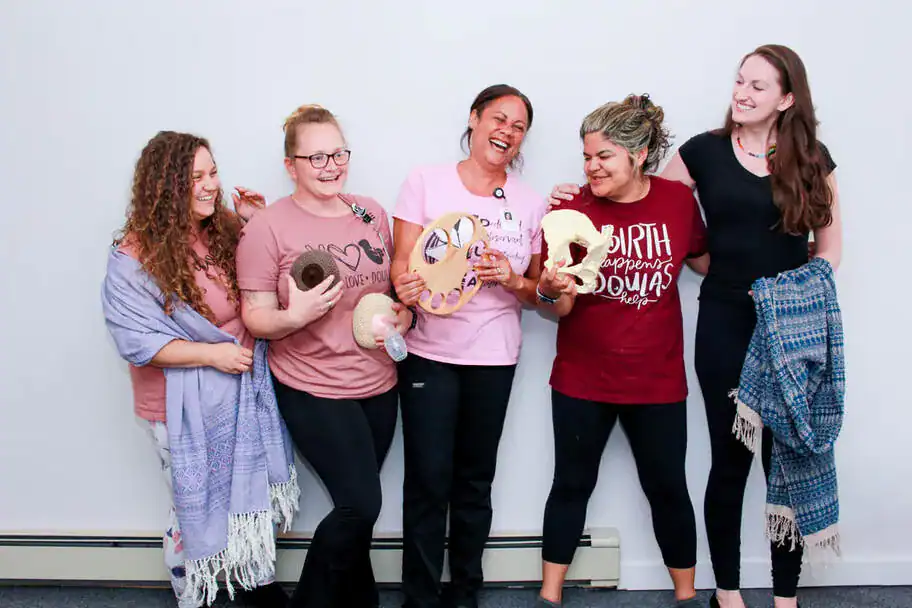
The Holistic Birth & Beyond team laughing together

We're here to help

Get in touch with Holistic Birth & Beyond today and discover how we can support you and your family as you grow.

  • 660 Mast Road, Manchester, NH 03102
  • 603.851.1595
  • hello@holisticbirthandbeyond.com

Want to stay in the loop?

By submitting your email, you agree to receive promotional emails from Holistic Birth & Beyond. You can unsubscribe at any time.

About
Holistic Birth & Beyond - Logo
Doula changing a newborn on the bed as the mother and toddler look on

Visit the Families Hub

Explore trusted support, education, and services for every stage of your family’s journey.

Start Here

Birth Doula Services

Personalized support for the birth experience you envision.

Virtual Birth Doula Services

Compassionate guidance and preparation from the comfort of home.

Postpartum Doula Services

Practical and emotional support as you recover, bond, and find your rhythm.

Placenta Encapsulation +

Thoughtful processing services to support you through the fourth trimester

Explore All Services

We're here to help

Get in touch with Holistic Birth & Beyond today and discover how we can support you and your family as you grow.

Get the Freebie Bundle

Explore Family Resources

The HBB Podcast

Find Your Group

Birth & Parenting Classes

For Families
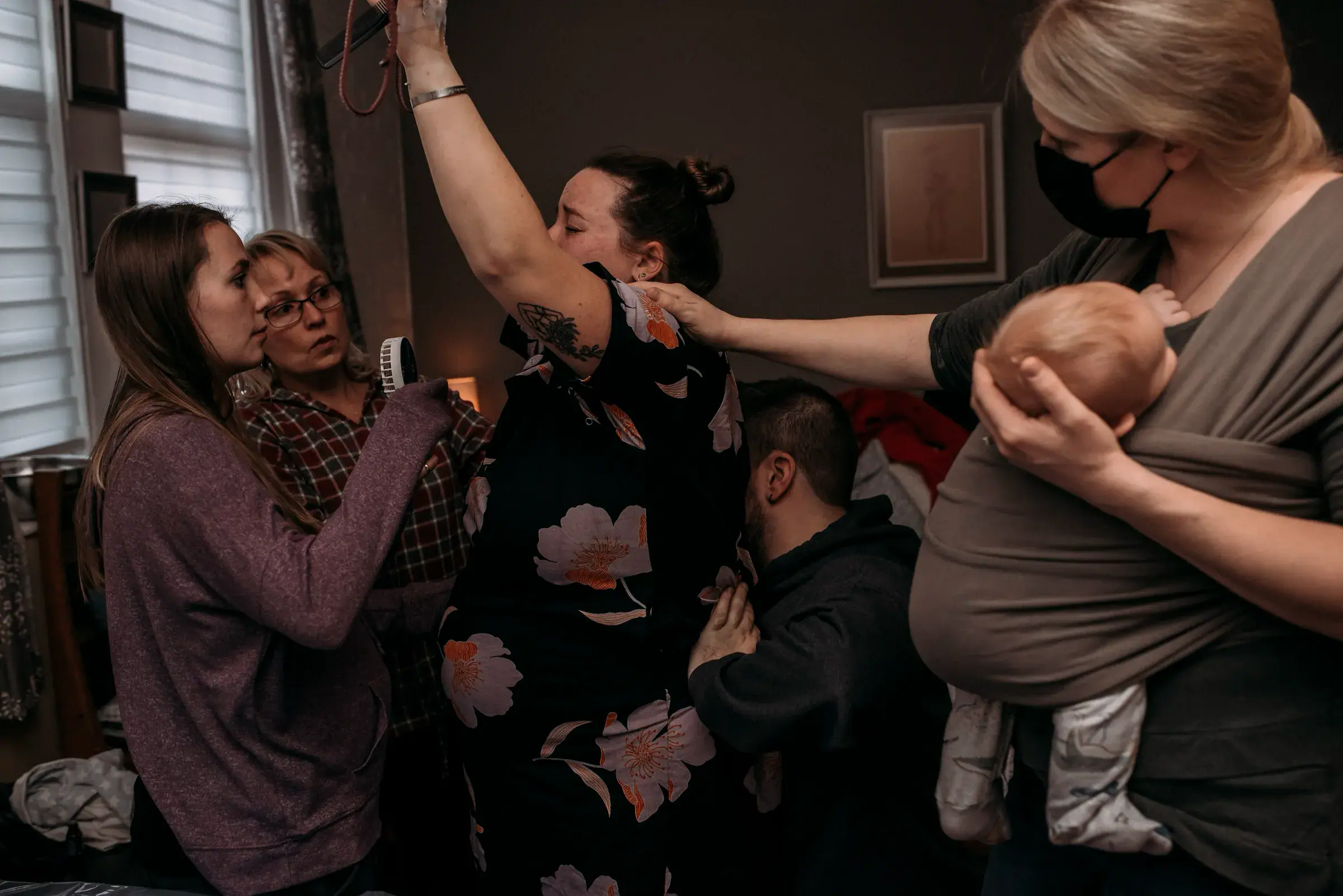
Doulas and family gathered around a mother at a home birth

For Birthworkers

Resources, connections, and professional development for doulas and birth professionals.

Start Here

Careers at HBB

Apply to Join Us

Book a Networking Call

Professional Development

Resources for Professionals

A Day in the Life of a Doula

Podcast

Placenta Services SOP Manual

Online Course

Upcoming Labor Doula Trainings

Blog

Get Updates for Birthworkers

By submitting your email, you agree to receive promotional emails from us. You can unsubscribe at any time.

For Healthcare Providers

Download our referral guide, explore networking opportunities, and learn more about HBB.

Questions?

Get in touch to discover how we can support you and your clients.

For Professionals
Holistic Birth & Beyond - Logo
M
For Families
  • =
    Start Here: Families Hub

Birth Doula Support

Postpartum Doula Support

Virtual Doula Support

Placenta Encapsulation

  • 5
    Explore All Services
Learn
  • =
    HBB Academy

(Free) Calm Start Toolkit

Podcast

Blog

Free Downloads

  • =
    Online Courses

Featured Class: Lactation 101

Learning Portal Login

  • =
    In-Person Classes

Featured Class: Holistic Preparation for Birth

Schedule & Booking

Connect
  • =
    Support Groups for Families

Pregnancy Support Group

Postpartum Support Group

Dads & Partners Support Group

Play Group

  • =
    Schedule & Booking
About
For Professionals

Providing doula and family services to New England and Beyond since 2017.

We are committed to inclusion, equity and accessibility, and welcome and affirm families of every identity, background and structure.

  • 660 Mast Road, Manchester, NH 03102
  • 603.851.1595
  • hello@holisticbirthandbeyond.com
Holistic Birth & Beyond - Logo
a

Overcoming Tokophobia & Fear of Birth

Fear of birth affects more people than you might think. Here's where tokophobia comes from, plus practical tools like tapping, journaling and EMDR to help you work with fear instead of against it.

Ep. #12

5 min. read

Transcript

0:17
Welcome back to the Holistic Birth Podcast. This is episode 12 and today we’re talking about tokophobia, which is the fear of birth. Our job today is to help you with some understanding around it, and to help you establish some tools to potentially overcome it if you are currently pregnant or if you’re kind of starting to explore the thought of starting a family.

1:07
Yeah, cuz tokophobia is not something it’s fun to deal with. So we definitely want to give you the resources and everything you need to to get through and start a family if you want to. So yeah, so tokophobia is a psychological condition characterized by an intense fear and anxiety related to pregnancy, childbirth, or the prospect of becoming a parent. The term tokophobia is derived from the Greek word toco meaning childbirth and phobia meaning fear of. Individuals with tokophobia often experience overwhelming anxiety, panic attacks, or even avoidance behaviors when exposed to situations or discussions associated with pregnancy or childbirth. Research conducted in various countries has reported prevalence rates ranging from two to 14% amongst women.

1:56
That’s more than I thought.

1:58
Definitely more than I thought too.

2:00
I’ve had a few clients who struggled with tokophobia, but it’s it.. yeah, I know, we only see a small population, but I think fear is very easily running rampant, it’s very hard to understand and then know what to do with. So yeah, with fear, usually, when it comes to tokophobia and around birth usually there are specific components that you can feel is sparking the fear. So a lot of times, it could be pain, it could be like, the idea of any medical procedures or complications. We all tend to like control and there can be a loss of potential control in the birth process. Some people feel that it may impact like the health of their body, or worry about like outcomes, or the wellness of baby. And sometimes it can be rooted in something that was kind of rooted or planted in your childhood. And other times, it’s something that’s like a secondary version of tokophobia where you’ve had a previously traumatic birth experience that’s now informing these thought processes and fears.

3:14
Yeah, that’s definitely a lot to unpack there. So yeah, yes. So another thing that could be is like cellular memory, or past generational experiences, which is a little woo-woo, but definitely something that, you know, I’ve looked I look into with clients when they’re dealing with fears in general or you know, this in particular, and it can be just like stored in the body and not even really realizing it. So, you know, talking to your mom or whatever about her experience, we’ll get more into this in a future episode, but I just wanted to bring it up because I do think it can be, you know, probably something that’s involved in this kind of fear is very relevant.

3:51
It’s very relevant. And yes, it’s hard because you could definitely get very woo-woo with it and think about the energetic components of these things or how it is being stored or passed through the body. The Body Keeps the Score comes to mind, it’s a book. It kind of sounds kind of related in my mind in a way but yeah, we do store I think a lot in our bodies and obviously with the some of the physical symptoms and expressions of this fear, it’s interesting to try to uncover where it’s coming from and all of that.

4:26
Yeah, and it definitely significantly impacts a lot of people’s quality of life. And it may lead to difficulties you know, expanding your family, it can cause the stress and strain on relationships with partners or family members. If it goes untreated, it can also contribute to mental health issues such as depression or anxiety disorder. So it does create like a lot of, you know, anxiety. It feels like that’s really kind of the core of it is just creating so much anxiety and if you want to have children and you have like this really this fear hanging over you it can be just like this very heavy weight that’s kind of weighing you down. And yeah, not fun to deal with. So, yeah.

5:04
And also, if you’re feeling like any of this is resonating, know you’re not alone.

5:10
Yeah, you’re not alone.

5:11
Yes. So I guess it would be great for us to try to help give some hope of potential ways to overcome some of these things, they might not all just poof away, but it’s helpful to really help shrink it a little bit, or take the edge off a little bit.

5:29
Take the edge off, exactly.

5:30
Or find ways to work with it or have it be still, maybe it’s still part of you, or in you somehow, but it’s not driving every deciding factor or every possible scenario. But ways to overcome would be a great next place to start. And definitely, everybody copes differently with anxiety or fears or just in their life, there might be things that are like a heavier hitter option than others. So this is just merely a list of ideas and, and things that we’ve seen that have potentially helped people with reducing fear that feel free to take take what you want from the list.

6:07
Yeah, definitely. Whatever works for you, for sure. Yeah.

6:11
Yeah. So the first thing that comes to mind is journaling, it can be really great to get some of these feelings out on paper, you don’t have to share with anyone or you could if you feel like that’s helpful for your doula, your partner, a friend or therapist or something. But, but really making time to take a peek at what’s below the surface can really be helpful with understanding it and kind of identifying those feelings, identifying where it’s showing up in your body, how it’s shifting throughout the day. And know that you’re validated, and probably everything you’re writing down.

6:49
Yeah, validating yourself is really important. Yeah, yeah.

6:52
It’s definitely a way that you can somehow take it out of your body or your mind and put it somewhere else. And yeah, there are, you know, like fear releasing rituals that also could be done with this. You could write it all out and then burn that down safely. Yeah. You could just like burn the piece of paper or whatever it is. But yeah, there’s also EFT tapping, which we should definitely do a whole. We could we could totally do a whole episode or something.

7:19
Yeah, that’d be a good idea.

7:21
Yeah, that’d be great. But essentially, it’s like focus focusing on certain, like energetic points throughout the body, where you’re specifically tapping those points and helps with reregulating and does help you with some sort of sense of control helps to ease anxiety. Yeah, anything to add on?

7:38
Yeah, it’s really just like a general like nervous system relaxation technique. So it really just helps you calm your nervous system. And you can listen to music while you’re doing it. There’s a great app you can download. It’s the Gosh, what’s the name of it? Again? I think it’s the tapping something. The Tapping Solution. That’s what it’s called. Yeah. But there’s actually tons of like, free ones on YouTube. You can look up and yeah, it’s really simple thing. You can remember the points. They’re really easy. So yeah, just like whenever you’re getting triggered by something, or just feeling overwhelmed, just starting to tap will just kind of regulate your nervous system. Yeah.

8:14
I heard I think there was there’s a local woman to us. And she she is an EFT practitioner. And she had talked about she did like an education opportunity for our doula team. And she was explaining that there are even just the thought of tapping or like imagining that you’re doing it does also help. Like at least a little bit still. Yeah. So even if you’re not in a place to do it, like sometimes it’s a little weird when you’re like out and about to be like tapping points. Yeah. There’s like, I think one of the things I took away from that training was even just like using your thumb to tap on the different points on your finger fingers. Yeah, that’s so different. Yeah. So now you can really take some of these tools and apply them anywhere.

8:58
Yeah, definitely. Yeah, yeah.

9:02
There’s also support groups. Sometimes it’s hard to talk to some of the people in your life about birth and the fears and tokophobia. So support groups can be really impactful as well. Because not only are you getting it out there, but you’re also feeling validation, or you’re kind of witnessing what other people have done, or you’re kind of hearing what they’re sharing, maybe worked for them. And so you’re kind of just get this continuous, like list of ideas and inspiration of things that you could try or maybe, you know, maybe you can have something that would be helpful to somebody else. But truly, it’s just nice to have that sense of community and to kind of help ease that tension anxiety that there are other people that are on a similar journey to you.

9:48
Yeah, definitely. Yep. Yeah, so also EMDR if those have that haven’t heard of that I actually, I’m terrible at remembering what exactly it stands for. But Basically what it is, is, it’s like, again, kind of tapping. So if you see a therapist actually trained therapists that do this sort of technique, and you will tap your, either your legs or your tap like nary on your chest, or they actually have like little handheld like vibrating little pan. I forgot what they’re called. But yeah, then they vibrate like one at a time. And it basically stimulates certain sides of your so your left or your right side of your brain. And it will basically create like new neural pathways in your brain. So like any sort of traumatic, anybody that’s gone through traumatic experience, or if you’re experiencing some sort of phobia such as this, that can really be very, very helpful. So I’ve had a lot of people have really good success with using EMDR. Sorry, I can’t remember what it stands for. But –

10:46
It’s Eye Movement Desensitization and Reprocessing therapy.

10:50
There you go. See Allison’s on it.

10:51
I think that’s what it is. But yeah, I think it’s, it’s also great to assess where you’re feeling the anxiety, the fear in your body. And the idea with EMDR too is to also try to help it feel less physically present.

11:06
Yeah, exactly. So how I’ve actually done it before myself, and you do like, think of that particular like stressful situation, or phobia, or trauma, whatever it is, but then you also go to like, your happy place while you’re doing it. And the other method they do use too, is like a light that goes back and forth. And that’s like, the eye movements where the that’s where, you know, basically came from so. So yeah, really helpful with that. The other one is cognitive behavioral therapy. I don’t know a whole lot about this. I haven’t done this myself. But I know that, you know, a lot of people have get a lot of good help from talking to a therapist using this sort of thing. I don’t know to Allison, do you have any thoughts on this? Because yeah, I’m not too familiar with the role.

11:47
The idea is to help kind of analyze like feelings, behavior reactions, and try to kind of assess, like, is it going to be helpful for you? Is it realistic? How, I guess does everything kind of play into each other? But you’re kind of like an active participant with your therapist with trying to talk through these things. And they’re trying to help you also discover those answers for yourself. Because usually that that’s where I know, I get the most power out of therapy when I’m like, ahhhh got it, like it comes to me instead of someone, you know, telling it to me, which sometimes you need to hear. Sure, some advice or guidance or something anyway, but there’s like a good partnership with that, that type of therapy.

12:30
Yeah, that makes sense. Cool. Yeah. And then watching positive birth videos. So this might be a little triggering for this sort of thing. But if it’s kind of like a desensitization kind of method. So you know, just watching, like, you know, really good if you’re having decide to want to have a home birth, you watch the positive home birth ones, you do the hospital ones, whatever, you’re wherever you’re deciding to give birth, you kind of watch those videos, where it’s a really positive, happy experience. That way, you’re, you know, basically, again, kind of like reprogramming, you’re reprogramming your brain around it.

12:59
So I had a client that I recommended that to and she laughed at me. She was like, no happy positive. And no, for her, it was very deeply rooted, where there was no way it was going to be a positive thing, it was something she would have to do or endure. And that’s sometimes the way it feels, right? So if it doesn’t sound happy to you, if it doesn’t sound possible, that it could be something that would help, then it might help you with, like not reframing I guess, but more revisioning, realizing what’s going on. Because a lot of times the fear is related to a certain scenario, or visual that where you’re kind of playing over in your head. And if, if it’s not like going to help you, like, you know, think about all the possible ways that could also go in a positive way. If anything, it also could just give you really great, like, tactile kind of tools to help you revisualize what it could be like. So if you have, for example, the fear of like losing control, for some people, the idea of being on their back, or having 20 people touch them, that type of thing might be constantly on their minds, or playing in their head. So if you’re watching videos that are people like upright, where not a lot of people are touching you or maybe there’s really hardly anyone like in your bubble and in your space, that might feel slightly relieving. Because you can get that visual rewritten maybe for how it could potentially be. So if you do have a specific scenario, or something that you feel you can kind of pinpoint in your fear and you’re wondering about birth videos, don’t hesitate to reach out because we have, we have a whole lot whether they’re like our own that our clients have given permission to share or there are really excellent options on like YouTube or Vimeo. But if there’s a specific scenario that you’re struggling with, and obviously it’s hard to like dive into the the whole world of like video options, you don’t know what you’re getting into. If it helps, we’re happy to help, like, curate some options for you and send back something that would help with pinpointing what you’re looking for, without you having to like dig through all the videos to see what’s going to possibly provide you comfort.

15:15
Yeah, absolutely. Yeah. Cuz trying to find the right video that’s gonna bring you that comfort can be a little overwhelming. So yeah, definitely reach out to us. If you want us to send you stuff like watching undisturbed birth videos is really very helpful. So yeah and then also, meditation is really great. So when you are, those feelings are coming up just it doesn’t have to be specific to birth, you can just get a calming like fear releasing meditation, or just, you know, something, just calm your nervous system, whether it’s just like a breath, breathwork exercise or something like that. It doesn’t have to be anything crazy, you know, five minutes, if you can get five minutes in, that’s awesome. But that, you know, meditation helps with so many different things, but it would definitely help with this too.

16:00
I was just gonna say and that kind of brings to mind hypnosis. They respond really, really well to hypnosis. And some people then use the Hypnobirthing kind of curriculum in their pregnancy. Because for some people, if there are concerns about the medicalization of birth, or the complications that could arise, sometimes the, the terminology that we use can feel a little bit by default, like medical. So that’s like a simple layer that could potentially be removed. Instead of saying contractions, saying surge or wave. Sometimes it feels like it just takes away some of the weight that that word might have. So that’s just something to think about. Yeah, don’t be afraid to hire a doula ahead of time too-

16:46
I was gonna mention that! Having a doula can be super helpful.

16:49
You could be still trying to conceive, you could be not even at that point yet. And you’re like, I just need to start lining things up. I think most of the clients that I’ve worked with who have tokophobia, I am usually a prenatal- like pre pregnancy conversation and they’ve reached out prior and we’ve established something and I think there’s a lot of reassurance to feeling prepared about who’s on your team and how things might go. And you know, what kinds of people are kind of more in your ear or in your bubble? Because usually, if you have fears, having people around you that are possibly contributing to that, usually is not going to help. It’s hard to be, yeah, it’s hard to be decisive about how to let certain things in and keep certain things out.

17:31
Yes, yeah, definitely finding the right birth team for you is really critical. Because yeah, you want people around you that are gonna, you know, just in general pregnancy, you know, and birth, people should find that anyway. But especially with this sort of thing, really having the right birth team to like, keep you in that safe place, and just reassure you, and you know, just communicating to them what your needs are, and then being able to meet those needs really important. So don’t be afraid to like, get what you want.

18:00
Right? And yeah, some providers, see people with certain fears, but don’t have a phobia, or a very deep rooted fear that maybe is not diagnosed as tokophobia yet or ever, but the it’s very hard for some providers to fully understand the complexity of it. Yeah. And so, you know, certain things that they might do, by default could potentially be a triggering scenario, or might contribute to some fear, anxiety. So whatever team you can get together that would make you feel really well supported to help. Because really, once a provider is more educated and what helps you or what would maybe potentially trigger you, they usually try to rise to the occasion.

18:44
Yeah, right.

18:44
It’s, they just don’t have the outline and the understanding. So obviously, it’s helpful to rely on your partner and your doula to help communicate those things or to help you create your birth preferences list or help kind of with a blurb upon arrival, like, okay, just so you’re aware, like, you know, we’re here to give birth, this person has tokophobia, these are the things that we’re most worried about, here’s how we really could use your help.

19:10
Yeah.

19:11
They will want to rise to the challenge, the occasion.

19:14
Yes.

19:15
And if for some reason, you know, there’s some struggle, that’s why you rely on the people in the room and the nurses can be really helpful, too.

19:23
Yup.

19:25
But you’re, you’re definitely yeah, you’re definitely not alone.

19:30
No, definitely not. And one thing I do also want to say about this too, is that I think hyper focusing on the tokophobia and that you have this fear can also create more fear. So, you know, I think there’s a place for acceptance around this to just like, okay, I have this fear and it’s not really about like, completely getting rid of it and it needs to go away and it’s this thing that like you have to get over.

19:56
Right.

19:57
Just you know, having some acceptance around this is how I’m feeling just validating yourself, surrounding yourself with people that are going to validate you, but also support you help you work through those moments is really important. Yeah, when it comes to just fear and birth in general, you know, just trying to, I really try to stress that to my clients if they have, you know, fear of the pain or whatever it may be. It’s like, okay, like, it’s okay to be afraid. It’s totally fine. It’s totally normal. Like, we all have it on some level. But yeah, just trying not to focus so much on like, I have to get rid of this, you know, phobia. This is terrible. I need to move past this.

20:32
Because truly it’s not realistic to say, I need to make this go away right now. It’s, it’s so it’s probably very much a part of you and your process so far, that it’s very hard to just assume there’s got to be a way to like, completely be rid of it. So we have to find ways to work with it.

20:49
Yes, exactly.

20:50
It’s almost like that. Wonderful, but annoying, like, kid at a party where you’re like you love them? Yes. But at the same time, they like they’re like bugging you. And you’re like, I need you to go away. Like I need you to stop. You’re like yeah, you’re stressing me out. However, when it comes to fear, sometimes you kind of have to be like, Alright, come on. Yeah, Susie, come sit next to him sit next to me next to me let’s give you something to do to just just just distract ourselves. But yeah, there’s kind of like those four steps that we’ve talked about for like freedom of fear. There’s like, just identify just to even say, I have tokophobia or I have fears, here’s what they are. That’s huge. So many times we want to just shut it down.

21:29
Yeah, just suffer in silence or in silence. Yeah, don’t do that. Please, don’t. Yeah, please let it out.

21:35
And then yeah, accept your feelings. validate yourself. It’s not bad to have these feelings. Especially if it’s rooted in something else that you’ve experienced, or someone close to you has experienced or whatever it might be. And then it’s okay to yeah, educate, prepare, like, do all the things that can help you feel like logically, you’re ready, or you’ve done what you can watching the videos or doing the tapping, whatever it might be. And then just release what you can or accept it. Also, you know, like express it, release it do something to put it on paper or sit the kid next to you give it a name call.

22:11
Yeah, definitely giving it a name. Yeah, that’s a that’s a really big one. I’ve heard of people doing that. And it really helps a lot. Yeah.

22:16
Yeah. Like, I think I had a client once where we were processing her previous traumatic birth. And she she was calling it the tornado. And she would just that was like, a way that we could identify it without having to say, remember that fear, or remember that scenario, where blah, blah, blah, like you just, so it’s a word, you name it, and-

22:38
It’s separate from you, it isn’t you, you know, like having giving it that name, like separates it from you. So you can kind of see it a little more clear. Yeah. And, you know, it’s really an opportunity to like, really get to know yourself and work through the things that you want to work through, become a better person, you know, whatever it may be, it’s a really good opportunity to like, you know, have more healthier practices around whatever, if that’s meditation, or going to see a therapist or journaling more, like it’s kind of a gift in a way. And it’s hard to think of or say, but it’s, it’s kind of a gift. So in that sense that you can really like, work on yourself, discover yourself a little bit more, dig deeper, uncover maybe some things that you didn’t know about yourself. Like, it’s really good opportunity for that. So yeah.

23:21
And I think it’s, it does help you to know what’s in your control and what’s unfortunately not, right. We do like control. And it’s hard to, it’s hard to like figure out like, what do we kind of surrender to and what is it like that we have to really advocate for because it doesn’t have to go that way every time or something? I’ve had clients who they’re they’re struggling with? Should I just schedule a cesarean and go be put under like, I’ve had people who want that. They don’t, they don’t want to-

23:52
have the experience.

23:52
That would be better to them. That that’s not the easier path. But then the recovery is not easy. But it feels easier because of the potential trauma or triggers that are on your mind when anticipating the birth experience.

24:07
Yeah.

24:08
But I think most of the time, they don’t end up following through with that, because most of the things I’ve seen, I guess, is when they are thinking about that they’re thinking, well, what’s the best possible like healthy baby healthy myself scenario? And so, obviously, recovery can be more challenging with that. But I think some people are wanting to also then do what their baby might need. And obviously, both births are completely valid.

24:36
Yeah, of course.

24:38
But some people really feel like they want to give that vaginal birth experience to their baby. But there’s also no shame. I’ve seen people who’ve really worked their heart out and they had everything lined up and there was a pause to the labor and then they had to switch plans or do something different and there is a weird frustration with that? That’s understandable.

Yeah, absolutely. Yeah.

But so we can obviously plan birth, like we’ve talked about before. But anything you can do to make your birth preferences list to try to understand birth better. Sometimes that kind of can give you some freedom because it’s not this like weird thing in the closet like a monster that’s like hiding in the dark you don’t want to look at. You’re giving yourself the opportunity to really come face to face with different scenarios and be like, Okay, if I see this, this is what I want to do, or whatever it might be in that there is power that’s in your hands with that, because you’re, you’re trying to- knowledge is power really.

25:37
Yeah, absolutely. This was awesome.

25:43
Thank you.

25:43
Yeah, thank you. (laughter) All right. Was there anything else you wanted to add? Or you think we’re? We covered quite a bit?

25:51
Please don’t hesitate to reach out. This is a very challenging topic. And definitely, if you’re like, I really need to talk through XY and Z, or can you explain this method more or anything? Just let us know. Because it’s not easy to look into this or to try to find ways to overcome it or have it sit with you in a way that it’s not impacting you the same way. So we’re here if you need anything.

26:13
Yeah, definitely. We are for sure. All right. Well, I think this concludes our episode. So thank you so much for listening. And again, yeah, like Allison said, reach out if you have questions or anything like that. But thank you so much, and we’ll catch you next time.

26:27
Thank you!

26:27
Bye!

27:07
Bye!

Show Notes

In today’s episode we talk about tokophobia (fear of pregnancy and birth) and ways to cope and overcome it.

Join as we discuss:

  • What is it
  • How to cope
  • Choosing a team to help you through it
  • How it’s not about removing the fear but working with it

Resources Mentioned:

Watch

Listen

Allison Morgan, founder of Holistic Birth & Beyond

Meet Allison

Founder and owner of Holistic Birth & Beyond, Allison Morgan began her journey into birth work in 2017.

Allison lives in NH with her husband and young daughter. When not doing birth work, you can find her spending time with her family, gardening and watercolor painting.

Want to stay in the loop?

Latest Articles

Professional Resources

Upcoming Labor Doula Trainings

Postpartum Life

Benefits of Placenta Products

Doula and Birth Care

A Doula’s (First-Time) Birth Story: Home Birth to Cesarean

Visit our resource hub

HBB Academy

From free support groups to informative podcasts, find the answers, inspiration and community you need, all in one easy place.

Pregnant woman petting her cat beside her partner on a laptop

Search HBB Academy

Resource Topics

For New Parents

Pregnancy and Birth Prep

Postpartum Life

For Returning Families

Doula and Birth Care

Birth Partners

Mindset and Wellness

Labor Education

Placenta

For Professionals

Transcript

0:17
Welcome back to the Holistic Birth Podcast. This is episode 12 and today we’re talking about tokophobia, which is the fear of birth. Our job today is to help you with some understanding around it, and to help you establish some tools to potentially overcome it if you are currently pregnant or if you’re kind of starting to explore the thought of starting a family.

1:07
Yeah, cuz tokophobia is not something it’s fun to deal with. So we definitely want to give you the resources and everything you need to to get through and start a family if you want to. So yeah, so tokophobia is a psychological condition characterized by an intense fear and anxiety related to pregnancy, childbirth, or the prospect of becoming a parent. The term tokophobia is derived from the Greek word toco meaning childbirth and phobia meaning fear of. Individuals with tokophobia often experience overwhelming anxiety, panic attacks, or even avoidance behaviors when exposed to situations or discussions associated with pregnancy or childbirth. Research conducted in various countries has reported prevalence rates ranging from two to 14% amongst women.

1:56
That’s more than I thought.

1:58
Definitely more than I thought too.

2:00
I’ve had a few clients who struggled with tokophobia, but it’s it.. yeah, I know, we only see a small population, but I think fear is very easily running rampant, it’s very hard to understand and then know what to do with. So yeah, with fear, usually, when it comes to tokophobia and around birth usually there are specific components that you can feel is sparking the fear. So a lot of times, it could be pain, it could be like, the idea of any medical procedures or complications. We all tend to like control and there can be a loss of potential control in the birth process. Some people feel that it may impact like the health of their body, or worry about like outcomes, or the wellness of baby. And sometimes it can be rooted in something that was kind of rooted or planted in your childhood. And other times, it’s something that’s like a secondary version of tokophobia where you’ve had a previously traumatic birth experience that’s now informing these thought processes and fears.

3:14
Yeah, that’s definitely a lot to unpack there. So yeah, yes. So another thing that could be is like cellular memory, or past generational experiences, which is a little woo-woo, but definitely something that, you know, I’ve looked I look into with clients when they’re dealing with fears in general or you know, this in particular, and it can be just like stored in the body and not even really realizing it. So, you know, talking to your mom or whatever about her experience, we’ll get more into this in a future episode, but I just wanted to bring it up because I do think it can be, you know, probably something that’s involved in this kind of fear is very relevant.

3:51
It’s very relevant. And yes, it’s hard because you could definitely get very woo-woo with it and think about the energetic components of these things or how it is being stored or passed through the body. The Body Keeps the Score comes to mind, it’s a book. It kind of sounds kind of related in my mind in a way but yeah, we do store I think a lot in our bodies and obviously with the some of the physical symptoms and expressions of this fear, it’s interesting to try to uncover where it’s coming from and all of that.

4:26
Yeah, and it definitely significantly impacts a lot of people’s quality of life. And it may lead to difficulties you know, expanding your family, it can cause the stress and strain on relationships with partners or family members. If it goes untreated, it can also contribute to mental health issues such as depression or anxiety disorder. So it does create like a lot of, you know, anxiety. It feels like that’s really kind of the core of it is just creating so much anxiety and if you want to have children and you have like this really this fear hanging over you it can be just like this very heavy weight that’s kind of weighing you down. And yeah, not fun to deal with. So, yeah.

5:04
And also, if you’re feeling like any of this is resonating, know you’re not alone.

5:10
Yeah, you’re not alone.

5:11
Yes. So I guess it would be great for us to try to help give some hope of potential ways to overcome some of these things, they might not all just poof away, but it’s helpful to really help shrink it a little bit, or take the edge off a little bit.

5:29
Take the edge off, exactly.

5:30
Or find ways to work with it or have it be still, maybe it’s still part of you, or in you somehow, but it’s not driving every deciding factor or every possible scenario. But ways to overcome would be a great next place to start. And definitely, everybody copes differently with anxiety or fears or just in their life, there might be things that are like a heavier hitter option than others. So this is just merely a list of ideas and, and things that we’ve seen that have potentially helped people with reducing fear that feel free to take take what you want from the list.

6:07
Yeah, definitely. Whatever works for you, for sure. Yeah.

6:11
Yeah. So the first thing that comes to mind is journaling, it can be really great to get some of these feelings out on paper, you don’t have to share with anyone or you could if you feel like that’s helpful for your doula, your partner, a friend or therapist or something. But, but really making time to take a peek at what’s below the surface can really be helpful with understanding it and kind of identifying those feelings, identifying where it’s showing up in your body, how it’s shifting throughout the day. And know that you’re validated, and probably everything you’re writing down.

6:49
Yeah, validating yourself is really important. Yeah, yeah.

6:52
It’s definitely a way that you can somehow take it out of your body or your mind and put it somewhere else. And yeah, there are, you know, like fear releasing rituals that also could be done with this. You could write it all out and then burn that down safely. Yeah. You could just like burn the piece of paper or whatever it is. But yeah, there’s also EFT tapping, which we should definitely do a whole. We could we could totally do a whole episode or something.

7:19
Yeah, that’d be a good idea.

7:21
Yeah, that’d be great. But essentially, it’s like focus focusing on certain, like energetic points throughout the body, where you’re specifically tapping those points and helps with reregulating and does help you with some sort of sense of control helps to ease anxiety. Yeah, anything to add on?

7:38
Yeah, it’s really just like a general like nervous system relaxation technique. So it really just helps you calm your nervous system. And you can listen to music while you’re doing it. There’s a great app you can download. It’s the Gosh, what’s the name of it? Again? I think it’s the tapping something. The Tapping Solution. That’s what it’s called. Yeah. But there’s actually tons of like, free ones on YouTube. You can look up and yeah, it’s really simple thing. You can remember the points. They’re really easy. So yeah, just like whenever you’re getting triggered by something, or just feeling overwhelmed, just starting to tap will just kind of regulate your nervous system. Yeah.

8:14
I heard I think there was there’s a local woman to us. And she she is an EFT practitioner. And she had talked about she did like an education opportunity for our doula team. And she was explaining that there are even just the thought of tapping or like imagining that you’re doing it does also help. Like at least a little bit still. Yeah. So even if you’re not in a place to do it, like sometimes it’s a little weird when you’re like out and about to be like tapping points. Yeah. There’s like, I think one of the things I took away from that training was even just like using your thumb to tap on the different points on your finger fingers. Yeah, that’s so different. Yeah. So now you can really take some of these tools and apply them anywhere.

8:58
Yeah, definitely. Yeah, yeah.

9:02
There’s also support groups. Sometimes it’s hard to talk to some of the people in your life about birth and the fears and tokophobia. So support groups can be really impactful as well. Because not only are you getting it out there, but you’re also feeling validation, or you’re kind of witnessing what other people have done, or you’re kind of hearing what they’re sharing, maybe worked for them. And so you’re kind of just get this continuous, like list of ideas and inspiration of things that you could try or maybe, you know, maybe you can have something that would be helpful to somebody else. But truly, it’s just nice to have that sense of community and to kind of help ease that tension anxiety that there are other people that are on a similar journey to you.

9:48
Yeah, definitely. Yep. Yeah, so also EMDR if those have that haven’t heard of that I actually, I’m terrible at remembering what exactly it stands for. But Basically what it is, is, it’s like, again, kind of tapping. So if you see a therapist actually trained therapists that do this sort of technique, and you will tap your, either your legs or your tap like nary on your chest, or they actually have like little handheld like vibrating little pan. I forgot what they’re called. But yeah, then they vibrate like one at a time. And it basically stimulates certain sides of your so your left or your right side of your brain. And it will basically create like new neural pathways in your brain. So like any sort of traumatic, anybody that’s gone through traumatic experience, or if you’re experiencing some sort of phobia such as this, that can really be very, very helpful. So I’ve had a lot of people have really good success with using EMDR. Sorry, I can’t remember what it stands for. But –

10:46
It’s Eye Movement Desensitization and Reprocessing therapy.

10:50
There you go. See Allison’s on it.

10:51
I think that’s what it is. But yeah, I think it’s, it’s also great to assess where you’re feeling the anxiety, the fear in your body. And the idea with EMDR too is to also try to help it feel less physically present.

11:06
Yeah, exactly. So how I’ve actually done it before myself, and you do like, think of that particular like stressful situation, or phobia, or trauma, whatever it is, but then you also go to like, your happy place while you’re doing it. And the other method they do use too, is like a light that goes back and forth. And that’s like, the eye movements where the that’s where, you know, basically came from so. So yeah, really helpful with that. The other one is cognitive behavioral therapy. I don’t know a whole lot about this. I haven’t done this myself. But I know that, you know, a lot of people have get a lot of good help from talking to a therapist using this sort of thing. I don’t know to Allison, do you have any thoughts on this? Because yeah, I’m not too familiar with the role.

11:47
The idea is to help kind of analyze like feelings, behavior reactions, and try to kind of assess, like, is it going to be helpful for you? Is it realistic? How, I guess does everything kind of play into each other? But you’re kind of like an active participant with your therapist with trying to talk through these things. And they’re trying to help you also discover those answers for yourself. Because usually that that’s where I know, I get the most power out of therapy when I’m like, ahhhh got it, like it comes to me instead of someone, you know, telling it to me, which sometimes you need to hear. Sure, some advice or guidance or something anyway, but there’s like a good partnership with that, that type of therapy.

12:30
Yeah, that makes sense. Cool. Yeah. And then watching positive birth videos. So this might be a little triggering for this sort of thing. But if it’s kind of like a desensitization kind of method. So you know, just watching, like, you know, really good if you’re having decide to want to have a home birth, you watch the positive home birth ones, you do the hospital ones, whatever, you’re wherever you’re deciding to give birth, you kind of watch those videos, where it’s a really positive, happy experience. That way, you’re, you know, basically, again, kind of like reprogramming, you’re reprogramming your brain around it.

12:59
So I had a client that I recommended that to and she laughed at me. She was like, no happy positive. And no, for her, it was very deeply rooted, where there was no way it was going to be a positive thing, it was something she would have to do or endure. And that’s sometimes the way it feels, right? So if it doesn’t sound happy to you, if it doesn’t sound possible, that it could be something that would help, then it might help you with, like not reframing I guess, but more revisioning, realizing what’s going on. Because a lot of times the fear is related to a certain scenario, or visual that where you’re kind of playing over in your head. And if, if it’s not like going to help you, like, you know, think about all the possible ways that could also go in a positive way. If anything, it also could just give you really great, like, tactile kind of tools to help you revisualize what it could be like. So if you have, for example, the fear of like losing control, for some people, the idea of being on their back, or having 20 people touch them, that type of thing might be constantly on their minds, or playing in their head. So if you’re watching videos that are people like upright, where not a lot of people are touching you or maybe there’s really hardly anyone like in your bubble and in your space, that might feel slightly relieving. Because you can get that visual rewritten maybe for how it could potentially be. So if you do have a specific scenario, or something that you feel you can kind of pinpoint in your fear and you’re wondering about birth videos, don’t hesitate to reach out because we have, we have a whole lot whether they’re like our own that our clients have given permission to share or there are really excellent options on like YouTube or Vimeo. But if there’s a specific scenario that you’re struggling with, and obviously it’s hard to like dive into the the whole world of like video options, you don’t know what you’re getting into. If it helps, we’re happy to help, like, curate some options for you and send back something that would help with pinpointing what you’re looking for, without you having to like dig through all the videos to see what’s going to possibly provide you comfort.

15:15
Yeah, absolutely. Yeah. Cuz trying to find the right video that’s gonna bring you that comfort can be a little overwhelming. So yeah, definitely reach out to us. If you want us to send you stuff like watching undisturbed birth videos is really very helpful. So yeah and then also, meditation is really great. So when you are, those feelings are coming up just it doesn’t have to be specific to birth, you can just get a calming like fear releasing meditation, or just, you know, something, just calm your nervous system, whether it’s just like a breath, breathwork exercise or something like that. It doesn’t have to be anything crazy, you know, five minutes, if you can get five minutes in, that’s awesome. But that, you know, meditation helps with so many different things, but it would definitely help with this too.

16:00
I was just gonna say and that kind of brings to mind hypnosis. They respond really, really well to hypnosis. And some people then use the Hypnobirthing kind of curriculum in their pregnancy. Because for some people, if there are concerns about the medicalization of birth, or the complications that could arise, sometimes the, the terminology that we use can feel a little bit by default, like medical. So that’s like a simple layer that could potentially be removed. Instead of saying contractions, saying surge or wave. Sometimes it feels like it just takes away some of the weight that that word might have. So that’s just something to think about. Yeah, don’t be afraid to hire a doula ahead of time too-

16:46
I was gonna mention that! Having a doula can be super helpful.

16:49
You could be still trying to conceive, you could be not even at that point yet. And you’re like, I just need to start lining things up. I think most of the clients that I’ve worked with who have tokophobia, I am usually a prenatal- like pre pregnancy conversation and they’ve reached out prior and we’ve established something and I think there’s a lot of reassurance to feeling prepared about who’s on your team and how things might go. And you know, what kinds of people are kind of more in your ear or in your bubble? Because usually, if you have fears, having people around you that are possibly contributing to that, usually is not going to help. It’s hard to be, yeah, it’s hard to be decisive about how to let certain things in and keep certain things out.

17:31
Yes, yeah, definitely finding the right birth team for you is really critical. Because yeah, you want people around you that are gonna, you know, just in general pregnancy, you know, and birth, people should find that anyway. But especially with this sort of thing, really having the right birth team to like, keep you in that safe place, and just reassure you, and you know, just communicating to them what your needs are, and then being able to meet those needs really important. So don’t be afraid to like, get what you want.

18:00
Right? And yeah, some providers, see people with certain fears, but don’t have a phobia, or a very deep rooted fear that maybe is not diagnosed as tokophobia yet or ever, but the it’s very hard for some providers to fully understand the complexity of it. Yeah. And so, you know, certain things that they might do, by default could potentially be a triggering scenario, or might contribute to some fear, anxiety. So whatever team you can get together that would make you feel really well supported to help. Because really, once a provider is more educated and what helps you or what would maybe potentially trigger you, they usually try to rise to the occasion.

18:44
Yeah, right.

18:44
It’s, they just don’t have the outline and the understanding. So obviously, it’s helpful to rely on your partner and your doula to help communicate those things or to help you create your birth preferences list or help kind of with a blurb upon arrival, like, okay, just so you’re aware, like, you know, we’re here to give birth, this person has tokophobia, these are the things that we’re most worried about, here’s how we really could use your help.

19:10
Yeah.

19:11
They will want to rise to the challenge, the occasion.

19:14
Yes.

19:15
And if for some reason, you know, there’s some struggle, that’s why you rely on the people in the room and the nurses can be really helpful, too.

19:23
Yup.

19:25
But you’re, you’re definitely yeah, you’re definitely not alone.

19:30
No, definitely not. And one thing I do also want to say about this too, is that I think hyper focusing on the tokophobia and that you have this fear can also create more fear. So, you know, I think there’s a place for acceptance around this to just like, okay, I have this fear and it’s not really about like, completely getting rid of it and it needs to go away and it’s this thing that like you have to get over.

19:56
Right.

19:57
Just you know, having some acceptance around this is how I’m feeling just validating yourself, surrounding yourself with people that are going to validate you, but also support you help you work through those moments is really important. Yeah, when it comes to just fear and birth in general, you know, just trying to, I really try to stress that to my clients if they have, you know, fear of the pain or whatever it may be. It’s like, okay, like, it’s okay to be afraid. It’s totally fine. It’s totally normal. Like, we all have it on some level. But yeah, just trying not to focus so much on like, I have to get rid of this, you know, phobia. This is terrible. I need to move past this.

20:32
Because truly it’s not realistic to say, I need to make this go away right now. It’s, it’s so it’s probably very much a part of you and your process so far, that it’s very hard to just assume there’s got to be a way to like, completely be rid of it. So we have to find ways to work with it.

20:49
Yes, exactly.

20:50
It’s almost like that. Wonderful, but annoying, like, kid at a party where you’re like you love them? Yes. But at the same time, they like they’re like bugging you. And you’re like, I need you to go away. Like I need you to stop. You’re like yeah, you’re stressing me out. However, when it comes to fear, sometimes you kind of have to be like, Alright, come on. Yeah, Susie, come sit next to him sit next to me next to me let’s give you something to do to just just just distract ourselves. But yeah, there’s kind of like those four steps that we’ve talked about for like freedom of fear. There’s like, just identify just to even say, I have tokophobia or I have fears, here’s what they are. That’s huge. So many times we want to just shut it down.

21:29
Yeah, just suffer in silence or in silence. Yeah, don’t do that. Please, don’t. Yeah, please let it out.

21:35
And then yeah, accept your feelings. validate yourself. It’s not bad to have these feelings. Especially if it’s rooted in something else that you’ve experienced, or someone close to you has experienced or whatever it might be. And then it’s okay to yeah, educate, prepare, like, do all the things that can help you feel like logically, you’re ready, or you’ve done what you can watching the videos or doing the tapping, whatever it might be. And then just release what you can or accept it. Also, you know, like express it, release it do something to put it on paper or sit the kid next to you give it a name call.

22:11
Yeah, definitely giving it a name. Yeah, that’s a that’s a really big one. I’ve heard of people doing that. And it really helps a lot. Yeah.

22:16
Yeah. Like, I think I had a client once where we were processing her previous traumatic birth. And she she was calling it the tornado. And she would just that was like, a way that we could identify it without having to say, remember that fear, or remember that scenario, where blah, blah, blah, like you just, so it’s a word, you name it, and-

22:38
It’s separate from you, it isn’t you, you know, like having giving it that name, like separates it from you. So you can kind of see it a little more clear. Yeah. And, you know, it’s really an opportunity to like, really get to know yourself and work through the things that you want to work through, become a better person, you know, whatever it may be, it’s a really good opportunity to like, you know, have more healthier practices around whatever, if that’s meditation, or going to see a therapist or journaling more, like it’s kind of a gift in a way. And it’s hard to think of or say, but it’s, it’s kind of a gift. So in that sense that you can really like, work on yourself, discover yourself a little bit more, dig deeper, uncover maybe some things that you didn’t know about yourself. Like, it’s really good opportunity for that. So yeah.

23:21
And I think it’s, it does help you to know what’s in your control and what’s unfortunately not, right. We do like control. And it’s hard to, it’s hard to like figure out like, what do we kind of surrender to and what is it like that we have to really advocate for because it doesn’t have to go that way every time or something? I’ve had clients who they’re they’re struggling with? Should I just schedule a cesarean and go be put under like, I’ve had people who want that. They don’t, they don’t want to-

23:52
have the experience.

23:52
That would be better to them. That that’s not the easier path. But then the recovery is not easy. But it feels easier because of the potential trauma or triggers that are on your mind when anticipating the birth experience.

24:07
Yeah.

24:08
But I think most of the time, they don’t end up following through with that, because most of the things I’ve seen, I guess, is when they are thinking about that they’re thinking, well, what’s the best possible like healthy baby healthy myself scenario? And so, obviously, recovery can be more challenging with that. But I think some people are wanting to also then do what their baby might need. And obviously, both births are completely valid.

24:36
Yeah, of course.

24:38
But some people really feel like they want to give that vaginal birth experience to their baby. But there’s also no shame. I’ve seen people who’ve really worked their heart out and they had everything lined up and there was a pause to the labor and then they had to switch plans or do something different and there is a weird frustration with that? That’s understandable.

Yeah, absolutely. Yeah.

But so we can obviously plan birth, like we’ve talked about before. But anything you can do to make your birth preferences list to try to understand birth better. Sometimes that kind of can give you some freedom because it’s not this like weird thing in the closet like a monster that’s like hiding in the dark you don’t want to look at. You’re giving yourself the opportunity to really come face to face with different scenarios and be like, Okay, if I see this, this is what I want to do, or whatever it might be in that there is power that’s in your hands with that, because you’re, you’re trying to- knowledge is power really.

25:37
Yeah, absolutely. This was awesome.

25:43
Thank you.

25:43
Yeah, thank you. (laughter) All right. Was there anything else you wanted to add? Or you think we’re? We covered quite a bit?

25:51
Please don’t hesitate to reach out. This is a very challenging topic. And definitely, if you’re like, I really need to talk through XY and Z, or can you explain this method more or anything? Just let us know. Because it’s not easy to look into this or to try to find ways to overcome it or have it sit with you in a way that it’s not impacting you the same way. So we’re here if you need anything.

26:13
Yeah, definitely. We are for sure. All right. Well, I think this concludes our episode. So thank you so much for listening. And again, yeah, like Allison said, reach out if you have questions or anything like that. But thank you so much, and we’ll catch you next time.

26:27
Thank you!

26:27
Bye!

27:07
Bye!

Show Notes

In today’s episode we talk about tokophobia (fear of pregnancy and birth) and ways to cope and overcome it.

Join as we discuss:

  • What is it
  • How to cope
  • Choosing a team to help you through it
  • How it’s not about removing the fear but working with it

Resources Mentioned:

Watch

Listen

Fear of birth is far more common than many people realize, and it deserves to be taken seriously. In this episode, I explore tokophobia, a psychological condition characterized by intense fear and anxiety around pregnancy, childbirth or becoming a parent. My goal is to help you understand where it comes from and to share tools that can help you move through it, whether you're pregnant now or just starting to think about growing your family.

What Is Tokophobia?

The word comes from the Greek tokos (childbirth) and phobos (fear). People with tokophobia may experience overwhelming anxiety, panic attacks or avoidance of anything related to pregnancy and birth. Research across several countries puts the prevalence somewhere between 2% and 14% of women, which is higher than most people expect. Left unaddressed, it can affect quality of life, strain relationships and contribute to depression or anxiety disorders. If any of this resonates with you, please know you are not alone.

Where Does Birth Fear Come From?

Tokophobia is often tied to something specific: fear of pain, medical procedures or complications, losing control, changes to your body or worry about your baby's wellbeing. Sometimes it's rooted in something planted in childhood. Other times it's secondary tokophobia, shaped by a previous traumatic birth. Some people also explore the idea of cellular memory or generational stories stored in the body, a concept explored in books like The Body Keeps the Score.

Tools for Working With Birth Fear

Everyone copes differently, so take what resonates and leave the rest.

Journaling

Getting your feelings onto paper can help you notice what's beneath the surface: where the fear shows up in your body and how it shifts throughout the day. You can keep it private or share it with your doula, partner or therapist. Some people turn it into a fear-releasing ritual by safely burning what they've written.

EFT Tapping

Emotional Freedom Technique involves tapping specific points on the body to help regulate your nervous system. The Tapping Solution app and free YouTube videos are great places to start. Even imagining the tapping, or tapping your thumb along your fingers when you're out in public, can help.

Support Groups

It can be hard to talk about birth fears with the people closest to you. Support groups offer validation, fresh ideas and the comfort of knowing others are on a similar path.

EMDR and Cognitive Behavioral Therapy

Eye Movement Desensitization and Reprocessing (EMDR) uses bilateral stimulation, like tapping, handheld vibrating devices or following a light with your eyes, to help your brain process trauma and phobias. Cognitive behavioral therapy (CBT) is a collaborative approach where you and your therapist examine thoughts, feelings and reactions together, so you can discover your own answers.

Positive Birth Videos

Watching births that went well can help rewrite the scenario playing on repeat in your mind. If your fear centers on something specific, like being on your back or having lots of people touching you, videos of upright, undisturbed births can offer a new visual. If sifting through videos feels overwhelming, reach out and I'm happy to help curate options for you.

Meditation and Hypnosis

Even five minutes of breathwork or a fear-releasing meditation can calm your nervous system. Many people with birth fear respond well to hypnosis and Hypnobirthing, which also softens medical language; for example, calling contractions "surges" or "waves."

Building the Right Birth Team

You can hire a doula well before you're pregnant. Many of my clients with tokophobia reached out while they were still trying to conceive, and knowing who is on your team brings real reassurance. Communicate your fears to your provider too. With your partner and doula helping share what you need, most providers will rise to the occasion.

Acceptance Over Elimination

Hyperfocusing on getting rid of fear can create even more fear. Instead, think of it like that lovable but exhausting kid at a party: you can't make them leave, but you can sit them next to you and give them something to do. A simple framework can help:

  • Identify it: name what you're afraid of
  • Accept and validate it: your feelings make sense
  • Educate and prepare: learn what you can and build your plan
  • Express and release it: write it down, talk it out or give it a name

One client named her fear from a previous birth "the tornado," which gave us a way to talk about it while keeping it separate from her. Working with fear can even become a gift: an invitation to know yourself more deeply and build healthier practices.

Knowledge Is Power

Some people with tokophobia consider scheduling a cesarean to avoid the anticipated triggers of labor, and every birth path is valid. Whatever you choose, learning about birth and creating a birth preferences list can bring fear out of the dark closet so you can face different scenarios on your own terms.

Listen to the full episode for a compassionate, in-depth conversation about birth fear: where it comes from, how to work with it and why you never have to face it alone.

A Gift for Podcast Listeners

Thank you for listening. Take 20% off our Guide to Out of Hospital Birth with code PODCAST20 and feel ready for the birth you’re hoping for.

latest episodes

More learning and inspiration for your birth journey

Free Download

Clear Out the Noise with the Calm Start Toolkit

Your essential guide to preparing for birth with confidence. Includes checklists, comfort measures and conversation starters for your birth team.

Parent cradling a baby's feet in a dim room

ON THE BLOG

What Families Are
Turning to Right Now

The question on your mind is the wisdom we’re sharing.

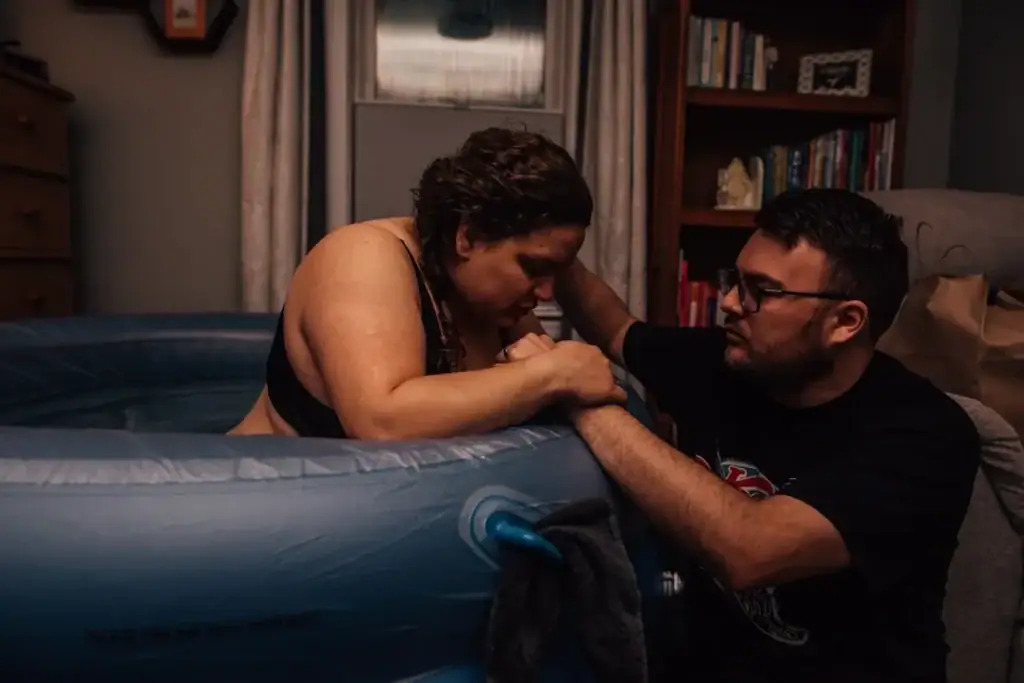
Partner supporting a laboring mother at the edge of a birth pool

Doula and Birth Care

A Doula’s (First-Time) Birth Story: Home Birth to Cesarean

Like so many births, mine unfolded in a way I never expected, and shaped me in the deepest ways imaginable. I’m sharing my birth story […]

  • Keep Reading

How to Choose the Best Breast Pump: A Doula and Lactation Educator’s Guide

Postpartum Life

=

The Golden Hour: Protecting the Sacred First Moments After Birth

Labor Education

=

10 Questions to Ask When Interviewing a Doula

Doula and Birth Care

=

Beyond the Podcast

Explore HBB Academy

Ready to dive deeper? HBB Academy offers self-paced courses and downloadable resources that expand on what you're learning here. From birth prep to newborn care, find the tools that fit your timeline.

want even more support?

These free resources are a great place to start. And if you're looking for personalized, hands-on guidance, we're here for you with our services, classes and group offerings.

Contact us today to book a free consult and learn how we can support your unique journey. 

Birth Doula Support

Birth Doula Support

Continuous, compassionate care before, during and after labor. Our doulas provide evidence-based guidance and steady emotional presence to help you feel confident, supported and seen throughout your birth experience.

Postpartum Doula Support

Postpartum Doula Support

A beautiful transition has happened, and you are finally home with baby. Now what? Postpartum doulas provide endless support and guidance for an easeful shift.

Placenta Encapsulation + More

Placenta Encapsulation + More

Natural, holistic support for postpartum healing. We offer placenta encapsulation, tinctures, keepsakes and more. Designed to support wellbeing and promote steady recovery as you settle into life with your baby.

Education & Community

Education & Community

You deserve steady support as you grow into each new stage of parenthood. We offer evidence-based childbirth and lactation classes, pay-what-you-can support groups and HBB Academy with courses and free resources; all created to help you feel prepared, connected and empowered.

Birth Doula Support

Continuous, compassionate care before, during and after labor. Our doulas provide evidence-based guidance and steady emotional presence to help you feel confident, supported and seen throughout your birth experience.

Postpartum Doula Support

A beautiful transition has happened, and you are finally home with baby. Now what? Postpartum doulas provide endless support and guidance for an easeful shift.

Placenta Encapsulation and More

Natural, holistic support for postpartum healing. We offer placenta encapsulation, tinctures, keepsakes and more. Designed to support wellbeing and promote steady recovery as you settle into life with your baby.

Education & Community

You deserve steady support as you grow into each new stage of parenthood. We offer evidence-based childbirth and lactation classes, pay-what-you-can support groups and HBB Academy with courses and free resources; all created to help you feel prepared, connected and empowered.

Hand-drawn flowering branch

Keep Learning

Everything you need to feel ready, right here.

Our free resources are available instantly in our convenient online academy.

No pressure, no clickbait. Just support that meets you where you are.