Visit our resource hub

HBB Academy

From free support groups to informative podcasts, find the answers, inspiration and community you need – all in one easy place.

Pregnant woman petting her cat beside her partner on a laptop
In-Person Classes
  • =
    Group & Private Classes
  • =
    Holistic Preparation for Birth
  • =
    Lactation 101
  • =
    Newborn Care 101
  • =
    Class Schedule & Booking
Online Courses
  • =
    Explore Courses
  • =
    Comfort Techniques for Labor
  • =
    Guide to Waterbirth
  • =
    Conception Guided Meditation
  • =
    Lactation 101
  • =
    Login & Sign-up
Free Resources
  • =
    Get the Calm Start Toolkit
  • =
    ​Preparing for Birth: The Ultimate Checklist
  • =
    Second Trimester Roadmap
  • =
    Labor & Birth Playlists
  • =
    Birth Plan Worksheet
  • =
    Explore Our Freebies
Donation-Based Groups
  • =
    See All Support Groups
  • =
    Pregnancy Support Group
  • =

    Postpartum Group
    (3 Locations Offered!)

  • =
    Dads & Partners Group
  • =
    Play Group
  • =
    Schedule & Booking
Blog
Podcast
Pregnant woman in a yellow off-shoulder top cradling her belly outdoors

Featured

Holistic Preparation for Birth

Trusted, clear, evidence-based guidance to help you prepare for labor with confidence.

More Info & Schedule

Learn Online

Contact for Private

What's New & Trending

Top 5 Reasons to Hire a Birth Doula

Blog

Doula and Birth Care

=

The tool to help make any decision: B.R.A.I.N.

Blog

Mindset and Wellness

=

The Golden Hour: Protecting the Sacred First Moments After Birth

Podcast

Labor Education

=
Resources

Get to Know Our Team!

Meet the people, values, and experience behind Holistic Birth & Beyond.

About HBB

The Holistic Birth & Beyond team laughing together

We're here to help

Get in touch with Holistic Birth & Beyond today and discover how we can support you and your family as you grow.

  • 660 Mast Road, Manchester, NH 03102
  • 603.851.1595
  • hello@holisticbirthandbeyond.com

Want to stay in the loop?

By submitting your email, you agree to receive promotional emails from Holistic Birth & Beyond. You can unsubscribe at any time.

About
Holistic Birth & Beyond - Logo
Doula changing a newborn on the bed as the mother and toddler look on

Visit the Families Hub

Explore trusted support, education, and services for every stage of your family’s journey.

Start Here

Birth Doula Services

Personalized support for the birth experience you envision.

Virtual Birth Doula Services

Compassionate guidance and preparation from the comfort of home.

Postpartum Doula Services

Practical and emotional support as you recover, bond, and find your rhythm.

Placenta Encapsulation +

Thoughtful processing services to support you through the fourth trimester

Explore All Services

We're here to help

Get in touch with Holistic Birth & Beyond today and discover how we can support you and your family as you grow.

Get the Freebie Bundle

Explore Family Resources

The HBB Podcast

Find Your Group

Birth & Parenting Classes

For Families
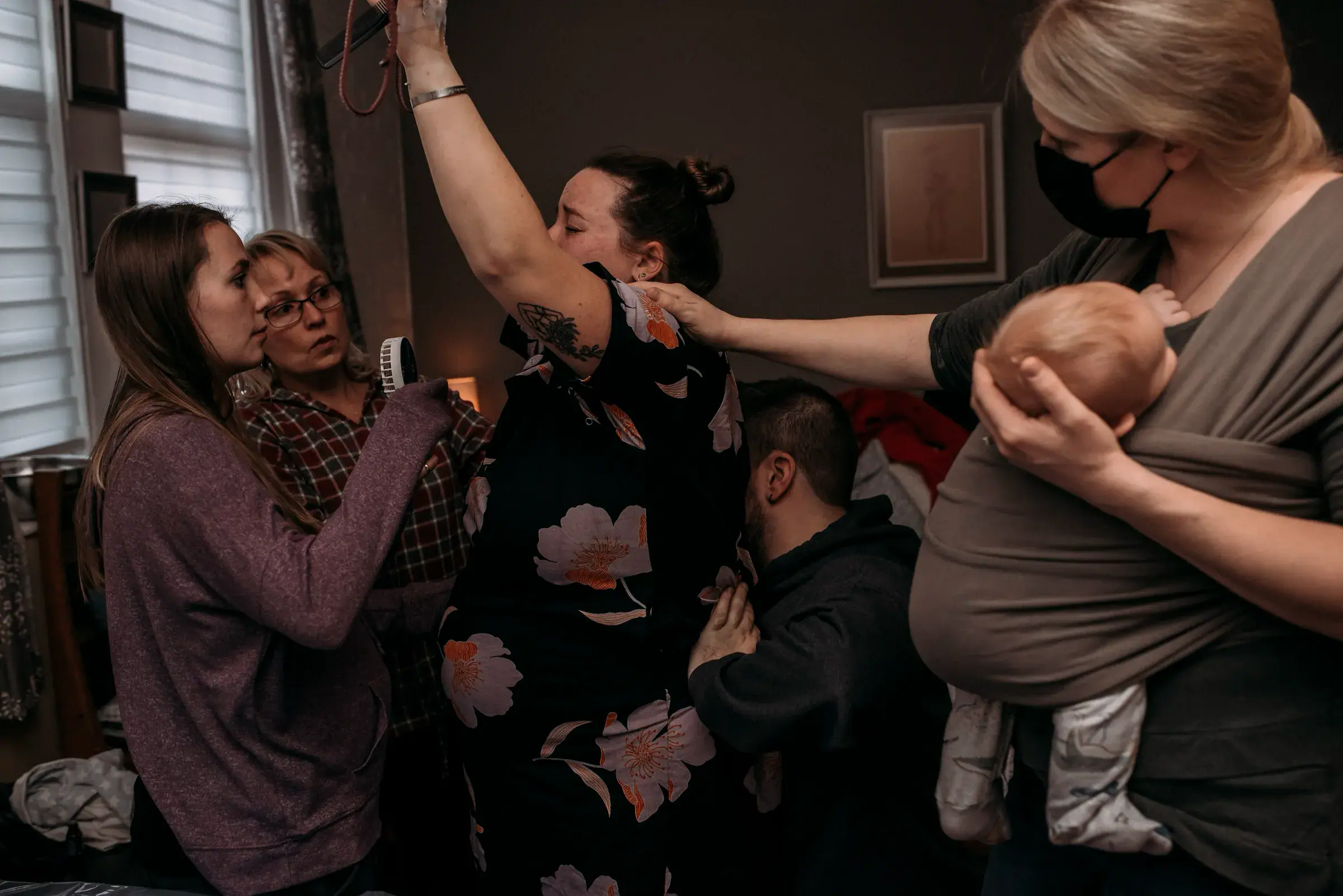
Doulas and family gathered around a mother at a home birth

For Birthworkers

Resources, connections, and professional development for doulas and birth professionals.

Start Here

Careers at HBB

Apply to Join Us

Book a Networking Call

Professional Development

Resources for Professionals

A Day in the Life of a Doula

Podcast

Placenta Services SOP Manual

Online Course

Upcoming Labor Doula Trainings

Blog

Get Updates for Birthworkers

By submitting your email, you agree to receive promotional emails from us. You can unsubscribe at any time.

For Healthcare Providers

Download our referral guide, explore networking opportunities, and learn more about HBB.

Questions?

Get in touch to discover how we can support you and your clients.

For Professionals
Holistic Birth & Beyond - Logo
M
For Families
  • =
    Start Here: Families Hub

Birth Doula Support

Postpartum Doula Support

Virtual Doula Support

Placenta Encapsulation

  • 5
    Explore All Services
Learn
  • =
    HBB Academy

(Free) Calm Start Toolkit

Podcast

Blog

Free Downloads

  • =
    Online Courses

Featured Class: Lactation 101

Learning Portal Login

  • =
    In-Person Classes

Featured Class: Holistic Preparation for Birth

Schedule & Booking

Connect
  • =
    Support Groups for Families

Pregnancy Support Group

Postpartum Support Group

Dads & Partners Support Group

Play Group

  • =
    Schedule & Booking
About
For Professionals

Providing doula and family services to New England and Beyond since 2017.

We are committed to inclusion, equity and accessibility, and welcome and affirm families of every identity, background and structure.

  • 660 Mast Road, Manchester, NH 03102
  • 603.851.1595
  • hello@holisticbirthandbeyond.com
Holistic Birth & Beyond - Logo
a

Informed Choice in Birth Explained: How to Make Confident Decisions for Your Body and Baby

One of the most empowering things you can do as a pregnant person is understand your right to informed choice. Discover what informed consent and informed refusal actually mean, plus a practical tool that can help you navigate any decision that comes up during your birth journey.

Ep. #2

5 min. read

Transcript

Welcome back to the Holistic Birth Podcast! This is episode number two, and today, we’re going to be talking about informed choice. Also known as informed consent or informed refusal and we’re going to be going over what that means and different scenarios that may come up.

It’s a juicy topic! So what is informed choice? Informed choice means that the communication between you, your provider, and your birth team kind of results in that ultimate understanding of all your options, all the benefits, the risks. It also includes being able to then have that respected, that’s also a piece of it.

A really good tool that a lot of times we use as doulas could be applied really to any decision you have to make. Usually, if you’re not sure about what questions to ask, this tool can be really good for you. It’s called the B.R.A.I.N. acronym. Anytime you’re faced with a decision or whatever, you can just kind of ask these questions and usually it gives you a good baseline of some of the information that would help you with your decision.

The B.R.A.I.N. acronym:

B: What are the benefits? Why would we want to do this thing? What would the results be? Also, how likely are those?

R: What are the risks? Are there any cons to doing this? And if so what is it?

A: Are there any alternatives? Do we have any other choices right now? Okay, you’re offering Pitocin to augment labor… Could we do nipple stimulation instead or do something else to promote oxytocin or even red raspberry tea? Is there anything else that we can do?

I: What is your intuition saying? This is a big factor. What is your gut saying about this choice or this thing that’s being presented to you very important, so important. Usually, if you’re hearing an option, as you’re gathering these details about the choice, you usually have some sort of gut reaction because usually something that’s kind of already making you lean towards or away from this choice so checking on that is good too.

N: What if you do nothing and wait? Could this be reevaluated in an hour, a day, a week, a month? Is it emergent? Sometimes we are quick to make a decision and maybe whatever the problem is will resolve and we don’t need to proceed with even exploring this choice anymore if we have given it time.

I’m going to add ‘S’ to the end of the B.R.A.I.N. acronym for ‘space’ because you always need space when you’re trying to make a decision, instead of potentially feeling pressure or rushed. Especially if you have a partner or doula that you’re trying to work with to try to figure out what might be the best thing for you to talk everything out, it’s nice to just get space. If you’re in a hospital you can say “we’ll ring for you when we’re ready” or “you can come back in five minutes” or something.

It’s a great tool. It kind of breaks it down for you so you can ask all the questions you want to.

And that’s when you kind of choose something, but what does refusal mean?

So how that would really apply is, for example, they’re offering or mentioning doing an episiotomy or something like that. You have absolutely every right to refuse anything that they offer. Sometimes for them it’s just more that they need to cover their butt, go over all their protocols because if there is a protocol they have to follow it. You can absolutely refuse it and sometimes just signing papers or a waiver saying that “I’m informally refusing this” and “you can put it in my chart” is completely helpful because again, it’s not always malicious and always trying to cause harm but sometimes they’re just trying to cover all their bases so they don’t get in trouble.

Yes, I see that a lot in the hospital with people who are wanting to labor in the water and then are hoping to have a water birth. For waterbirth, most policies at hospitals are not really supportive of that. Usually it’s not that they’re frantic because it always results in some terrible thing. It’s more so for the rare event that they need to get in and have more access to supplies or just the space around you. They do get a little nervous of the possibility and then therefore it becomes this policy of “well, if you’re starting to feel ‘pushy’, then we need to get out”. It’s kind of in that refusal category of you can say I’ll sign whatever you need me to sign and I understand the risks, from what I’ve assessed I’m low risk and it’s appropriate for me to be in the tub. I’m happy to get out if that changes. And you can even just say “put it in my chart that you’ve explained everything to me” so they feel like they can document that everything has been explained and she’s declining at this time. It helps them feel that they’ve checked off this box and to cover their butts.

It can be in any environment too, it doesn’t always have to be in a hospital. It can definitely be at home or with a certain midwife or a birth center. If anything comes up that you aren’t feeling right about, you can definitely say that you aren’t feeling it! You can decline it and sign whatever you need to sign.

I think a lot of times we assume certain care is going to be linked to certain birth places but I’ve seen positive and negative experiences in all locations and it’s more situation-based. You could have a really good, decent provider who is trying their best but couldn’t give their best to you. Just something to think about. Knowing that you can consent or refuse anything in any location, where it’s unconditionally supported is important. There shouldn’t be any “I told you so”s or any negative energy or shame that someone is putting on you for making whatever decision that you make. You should feel like your options are presented and then your decision respected.

If that person is giving you a hard time, kick them out!

If you’re working in an out-of-hospital setting, you may have really hand-picked someone that matches. In the hospital, it’s not always within your power to say exactly which provider is on at that time. Most of the time, the provider that’s on is not the only one in the hospital so it’s okay to want to talk to someone else. Even with the nurses, you can always ask for a new nurse. It’s not that you’re trying to be malicious either. It could just be that this nurse is super sweet and that’s irritating to you or if you do need a sweeter nurse but yours is more of a spit-fire, it’s okay to have that be part of how you are feeling safe with decisions.

That’s really the ultimate thing is to feel safe and not feeling like you’re being pushed into anything. A doula can certainly help you navigate that.

Informed consent is where you choose what happens to your body and baby. Obviously birth is wild and you may have to go with it sometimes but you have that full ownership of your body. You deserve all the explanations and all the unconditional support like we talked about. The people providing that narration of care around you, so describing what they’re doing as they’re doing it. It helps you to feel like you know what’s going on around you. I know you had a good tool that you wanted to talk about and I’d love to hear more about it!

Awesome! Yes – the six steps of healing. This originally came from Susun Weed, one of the grandmothers of herbalism. She has this whole step list to help you make choices for yourself. It’s more intuition-based. It’s really diving deep into your own intuition and trusting yourself. Let’s get into that now.

Basically, it’s about figuring out your why and what you’ll do with that information. These steps help you get that ‘why’ and it’s like the B.R.A.I.N. acronym on steroids because you’re really diving deep.

It sounds like B.R.A.I.N. acronym is best utilized when you have to make a decision soon. From what I understand, your tool is great when you are able to marinate on it longer or if it’s a bigger decision. You could definitely use it in a quicker way though.

It’s really about working through the smaller choices before making your big choice.

Step 0: Do nothing! Sleep, meditate, unplug from everything, don’t talk to anyone, shut yourself in a dark room if you’d like. You should always start with this step so you can sit with your own thoughts. You can get all kinds of information, downloads can come in or even prayer bring up things for you. Your intuition can really perk up. My brain kind of goes crazy sometimes and I think a lot of people struggle with this.. Sitting in that nothing place can be hard. This is a great time to evaluate the voices in your head, like ‘Is this really me talking to myself?’ and how to listen to what your own inner thoughts are.

That could be really effective just on its own!

Exactly. So step 1 is collecting information, in a low tech kind of way through reference books, support groups, divination or oracle cards even, helping you to start to investigate a little bit. You’re dipping your toes in and possibly finding out where you can find information and who has it, who might be able to tell me about it. Start thinking about who and where you want to get your information from. This is where you start to ask yourself who you can talk to about this.

Do you feel like step zero and one are the base? How do the steps work? Is it very linear?

No, it’s not linear at all! You may find that just doing step zero and one might then give you your answer. You don’t have to necessarily take these steps exactly how they are. I do strongly recommend that people always start with step zero and possibly do step one.

Step 2 is where you can get a little more information and where you engage the energy. This could be with prayer, homeopathic remedies, crying, visualizations, ritual, aromatherapy, color and laughter. This is when you are starting to get the energy moving. So if there’s a homeopathic remedy that might help it could be very, very subtle. They work with your chi or your vital force, your energy within this, within yourself. You may need to cry because you’re just overwhelmed or you’re really happy, who knows whatever it may be coming up if you need to cry or laugh. You can do those things just to get that energy and those emotions flowing and moving. Visualizations, praying or meditating can help with your mindset. These things are all going to help you recollect yourself. For ritual, this could be anything like lighting a candle, more prayer, things like that. You could bring in your ancestors or talk to your baby or something like that. You could burn incense or sage or use aromatherapy. Adding color to your life or getting outside are great too.

Step 3 is all about nourish and tonify. This could include vinegars, tinctures, or other therapies to use that take it up a notch with intensity. Moxibustion, herbal or honey tinctures, castor oil, etc. are other things in this category.

Step 4 is to stimulate and sedate. This would be hot and cold water and even other herbal tinctures can play into this one too. Acupuncture and massage are in this step too. There is a risk of developing a dependency on the fourth step. These things aren’t bad but some people rely on them in a way where they are leaning on them completely to resolve whatever’s going on.

Step 5 has two different parts. Step 5a includes the use of supplements. Mainly it’s minerals, special foods, supplements and tinctures. Pay attention to side effects and trust your intuition.

Step 5b is more intense, including injectable things, high dilution homeopathics and other things.

Lastly, step 6 is breaking and entering which would involve surgery, colonics, psychoactive drugs, diagnostic tests, biopsies and such. We would want to be careful about this step if it’s being used.

I really liked the first couple of steps and I feel like when you have a really challenging decision or you’ve got a lot of time, then you can add on with other steps. You can skip around, right?

While you’d start with step 0 and 1, yes you can skip around. It’s helped me really slow down. It just helps you really slow down and take these steps, you know, towards the end it does jump to some kind of extreme things. Again, I can’t stress enough and I know you can’t stress enough: It’s just really all about trusting yourself and doing what you feel is really right for you and your baby. So yeah, that’s a really great tool to keep in mind.

Fantastic. You come away with a few different tools then here!

Do you want to talk more about some examples?

Sure! The waterbirth scenario I mentioned earlier is good to keep in mind because hospital policy is not law. Another example of how to implement informed choice is with newborn meds. A lot of times in certain places, it can seem like they are standard or required. This could be a really hot topic so we won’t get into all the details but it’s your choice. You have every right to look into your intuition about it, how the risks and benefits are weighed for you and what matters more to you. Thinking about what your values are and how this decision would reflect that. If you did want to do a certain medication, then the choice also exists if you want to have your baby on you while all those things are happening to comfort your baby. Even if you are in the OR for a cesarean birth, your arms don’t have to be restrained or tied down, as long as you aren’t reaching behind the drape into the sterile field or poking the provider while they are working! The medical team is usually proactive with cesarean births so while it may be urgent it might not be emergent so you may still have wiggle room with the things you can choose. Obviously the goal is to keep everyone safe and alive, but whenever possible we would like to go beyond just thinking about if you are alive and healthy. You deserve to have all the layers of support and autonomy, maybe doing skin to skin with your baby, etc.

I was at a cesarean birth where it was very important to the family that the partner did the official cord cutting. Most of the time the provider clamps & cuts the umbilical cord, leaving it long for the partner to do the final cut when the baby is brought to the warmer nearby. In this case, the family advocated for waiting a few minutes for the placenta to be birthed, then both the baby and placenta (still attached by the cord) were brought to the warmer for the dad to do the umbilical cord cutting. It’s hard to know what the choices are but asking good questions can help. Was there an example that you wanted to share?

Yes, what I commonly have seen is on the topic of gestational diabetes. There’s lots to talk about here but without getting into too much detail, there are other options that you can choose if you don’t want to do the sugary drink, the glucola. There are options midwives or providers can suggest, such as a handful of jelly beans or something. If you generally eat pretty healthy and you don’t generally eat sugary things, you can certainly track your own blood sugar with a glucometer over a certain period of time.

Another example would be vaginal checks. If that’s something you definitely don’t want to do, you can say no to that at any time in any setting with any provider.

And when it comes to the role of a doula, I get asked a lot: How do I advocate for myself? How do I ask the question? Usually you are in a very non-logical brain during labor. You’re in the moment usually. During your pregnancy or postpartum, you could have the opportunity to have the conversations and tap into that logical space, but in labor situations you might not be able to step into that analytical brain as easily because you’re in your instinctual state of mind & body. We tend to go deep and inwards. It’s good to set up parameters with your partner and your doula or if there’s anyone else you’d have in your space. To be able to say that in the event that I’m not able to ask all the questions, can you make sure to go through the B.R.A.I.N. acronym along the way? That way you can listen and rely on your people to ask questions and promote conversation around the choices and alternatives. As doulas, we try to be helpful with communication tools for many reasons. The way I advocate is often like, “She has shared with me that XYZ is really important to her. Are there any alternatives to what you’re suggesting that might really work for her?” A doula should be able to come to the table with questions and be able to ask it in a way that’s not going to just blow up the room. Promoting helpful and easy conversation about what’s on the table is part of our job.

Yes! The other thing I did want to mention too is showing appreciation. If a provider or a nurse is offering something in particular that you’re not necessarily agreeing with, you or your partner can say thank you for the information or even thanking them for their understanding if it seems like it’s really against the grain.

Body language and reactions from your team can be impactful. Just saying, “yes and I’d still like to decide this” or “yes, I understand and” can help everyone feel like you’re working together. A simple “yes and” statement can go a long way.

This birth experience is ultimately your body. It’s your baby, it’s your choice. Things could come up that maybe make you feel like the decision has already been made for you just by the circumstance alone. Usually you know what needs to be done. You deserve autonomy with your choices and your body and to feel like you have everything laid out for you and have that support, and not being afraid to say no if that’s what you want.

A lot of times we talk about informed choice as informed consent but there’s also informed refusal. I think that’s why we are also bringing up some informed refusal scenarios too. Informed consent certainly also means that you can confidently say, “I understand what this decision means and I’m choosing it!”

You just want to feel safe and like everyone has got your back, that you’re in a safe place and everyone being kind to not create tension.

If there is tension, you can tell your partner and doula that it’s okay to go there. It’s not to start sh*t but to help step up and ask questions about the tension or fear you may be sensing in your care team. Saying “I see this is something stressful. Is there anything I’m missing or not understanding?” We will talk about autonomy in a hospital birth in a later episode too.

If anyone has questions, please reach out to us. If you’re on Youtube, drop us a comment or even just send us an email. We hope you enjoyed this episode and that it helped you understand what informed choice is. Next week we will be talking about conscious conception, which will be a little more spiritual too. Have a great day or night, wherever you are!

Take care, bye!

Show Notes

What is an informed choice? How can you apply it to your decisions throughout the birthing year? Allison explains and gives you ways to process your options so you can make the best decision for yourself and your baby.

Join as we discuss:

  • What informed choice is
  • What informed refusal is
  • What informed consent is
  • How it applies to different situations in pregnancy, birth and postpartum
  • How it applies to all birth places
  • That you have a say in your care
  • The 6 steps to healing
  • Using your intuition in decision making

Resources Mentioned:

Watch

Listen

Allison Morgan, founder of Holistic Birth & Beyond

Meet Allison

Founder and owner of Holistic Birth & Beyond, Allison Morgan began her journey into birth work in 2017.

Allison lives in NH with her husband and young daughter. When not doing birth work, you can find her spending time with her family, gardening and watercolor painting.

Want to stay in the loop?

Latest Articles

Professional Resources

Upcoming Labor Doula Trainings

Postpartum Life

Benefits of Placenta Products

Doula and Birth Care

A Doula’s (First-Time) Birth Story: Home Birth to Cesarean

Visit our resource hub

HBB Academy

From free support groups to informative podcasts, find the answers, inspiration and community you need, all in one easy place.

Pregnant woman petting her cat beside her partner on a laptop

Search HBB Academy

Resource Topics

For New Parents

Pregnancy and Birth Prep

Postpartum Life

For Returning Families

Doula and Birth Care

Birth Partners

Mindset and Wellness

Labor Education

Placenta

For Professionals

Transcript

Welcome back to the Holistic Birth Podcast! This is episode number two, and today, we’re going to be talking about informed choice. Also known as informed consent or informed refusal and we’re going to be going over what that means and different scenarios that may come up.

It’s a juicy topic! So what is informed choice? Informed choice means that the communication between you, your provider, and your birth team kind of results in that ultimate understanding of all your options, all the benefits, the risks. It also includes being able to then have that respected, that’s also a piece of it.

A really good tool that a lot of times we use as doulas could be applied really to any decision you have to make. Usually, if you’re not sure about what questions to ask, this tool can be really good for you. It’s called the B.R.A.I.N. acronym. Anytime you’re faced with a decision or whatever, you can just kind of ask these questions and usually it gives you a good baseline of some of the information that would help you with your decision.

The B.R.A.I.N. acronym:

B: What are the benefits? Why would we want to do this thing? What would the results be? Also, how likely are those?

R: What are the risks? Are there any cons to doing this? And if so what is it?

A: Are there any alternatives? Do we have any other choices right now? Okay, you’re offering Pitocin to augment labor… Could we do nipple stimulation instead or do something else to promote oxytocin or even red raspberry tea? Is there anything else that we can do?

I: What is your intuition saying? This is a big factor. What is your gut saying about this choice or this thing that’s being presented to you very important, so important. Usually, if you’re hearing an option, as you’re gathering these details about the choice, you usually have some sort of gut reaction because usually something that’s kind of already making you lean towards or away from this choice so checking on that is good too.

N: What if you do nothing and wait? Could this be reevaluated in an hour, a day, a week, a month? Is it emergent? Sometimes we are quick to make a decision and maybe whatever the problem is will resolve and we don’t need to proceed with even exploring this choice anymore if we have given it time.

I’m going to add ‘S’ to the end of the B.R.A.I.N. acronym for ‘space’ because you always need space when you’re trying to make a decision, instead of potentially feeling pressure or rushed. Especially if you have a partner or doula that you’re trying to work with to try to figure out what might be the best thing for you to talk everything out, it’s nice to just get space. If you’re in a hospital you can say “we’ll ring for you when we’re ready” or “you can come back in five minutes” or something.

It’s a great tool. It kind of breaks it down for you so you can ask all the questions you want to.

And that’s when you kind of choose something, but what does refusal mean?

So how that would really apply is, for example, they’re offering or mentioning doing an episiotomy or something like that. You have absolutely every right to refuse anything that they offer. Sometimes for them it’s just more that they need to cover their butt, go over all their protocols because if there is a protocol they have to follow it. You can absolutely refuse it and sometimes just signing papers or a waiver saying that “I’m informally refusing this” and “you can put it in my chart” is completely helpful because again, it’s not always malicious and always trying to cause harm but sometimes they’re just trying to cover all their bases so they don’t get in trouble.

Yes, I see that a lot in the hospital with people who are wanting to labor in the water and then are hoping to have a water birth. For waterbirth, most policies at hospitals are not really supportive of that. Usually it’s not that they’re frantic because it always results in some terrible thing. It’s more so for the rare event that they need to get in and have more access to supplies or just the space around you. They do get a little nervous of the possibility and then therefore it becomes this policy of “well, if you’re starting to feel ‘pushy’, then we need to get out”. It’s kind of in that refusal category of you can say I’ll sign whatever you need me to sign and I understand the risks, from what I’ve assessed I’m low risk and it’s appropriate for me to be in the tub. I’m happy to get out if that changes. And you can even just say “put it in my chart that you’ve explained everything to me” so they feel like they can document that everything has been explained and she’s declining at this time. It helps them feel that they’ve checked off this box and to cover their butts.

It can be in any environment too, it doesn’t always have to be in a hospital. It can definitely be at home or with a certain midwife or a birth center. If anything comes up that you aren’t feeling right about, you can definitely say that you aren’t feeling it! You can decline it and sign whatever you need to sign.

I think a lot of times we assume certain care is going to be linked to certain birth places but I’ve seen positive and negative experiences in all locations and it’s more situation-based. You could have a really good, decent provider who is trying their best but couldn’t give their best to you. Just something to think about. Knowing that you can consent or refuse anything in any location, where it’s unconditionally supported is important. There shouldn’t be any “I told you so”s or any negative energy or shame that someone is putting on you for making whatever decision that you make. You should feel like your options are presented and then your decision respected.

If that person is giving you a hard time, kick them out!

If you’re working in an out-of-hospital setting, you may have really hand-picked someone that matches. In the hospital, it’s not always within your power to say exactly which provider is on at that time. Most of the time, the provider that’s on is not the only one in the hospital so it’s okay to want to talk to someone else. Even with the nurses, you can always ask for a new nurse. It’s not that you’re trying to be malicious either. It could just be that this nurse is super sweet and that’s irritating to you or if you do need a sweeter nurse but yours is more of a spit-fire, it’s okay to have that be part of how you are feeling safe with decisions.

That’s really the ultimate thing is to feel safe and not feeling like you’re being pushed into anything. A doula can certainly help you navigate that.

Informed consent is where you choose what happens to your body and baby. Obviously birth is wild and you may have to go with it sometimes but you have that full ownership of your body. You deserve all the explanations and all the unconditional support like we talked about. The people providing that narration of care around you, so describing what they’re doing as they’re doing it. It helps you to feel like you know what’s going on around you. I know you had a good tool that you wanted to talk about and I’d love to hear more about it!

Awesome! Yes – the six steps of healing. This originally came from Susun Weed, one of the grandmothers of herbalism. She has this whole step list to help you make choices for yourself. It’s more intuition-based. It’s really diving deep into your own intuition and trusting yourself. Let’s get into that now.

Basically, it’s about figuring out your why and what you’ll do with that information. These steps help you get that ‘why’ and it’s like the B.R.A.I.N. acronym on steroids because you’re really diving deep.

It sounds like B.R.A.I.N. acronym is best utilized when you have to make a decision soon. From what I understand, your tool is great when you are able to marinate on it longer or if it’s a bigger decision. You could definitely use it in a quicker way though.

It’s really about working through the smaller choices before making your big choice.

Step 0: Do nothing! Sleep, meditate, unplug from everything, don’t talk to anyone, shut yourself in a dark room if you’d like. You should always start with this step so you can sit with your own thoughts. You can get all kinds of information, downloads can come in or even prayer bring up things for you. Your intuition can really perk up. My brain kind of goes crazy sometimes and I think a lot of people struggle with this.. Sitting in that nothing place can be hard. This is a great time to evaluate the voices in your head, like ‘Is this really me talking to myself?’ and how to listen to what your own inner thoughts are.

That could be really effective just on its own!

Exactly. So step 1 is collecting information, in a low tech kind of way through reference books, support groups, divination or oracle cards even, helping you to start to investigate a little bit. You’re dipping your toes in and possibly finding out where you can find information and who has it, who might be able to tell me about it. Start thinking about who and where you want to get your information from. This is where you start to ask yourself who you can talk to about this.

Do you feel like step zero and one are the base? How do the steps work? Is it very linear?

No, it’s not linear at all! You may find that just doing step zero and one might then give you your answer. You don’t have to necessarily take these steps exactly how they are. I do strongly recommend that people always start with step zero and possibly do step one.

Step 2 is where you can get a little more information and where you engage the energy. This could be with prayer, homeopathic remedies, crying, visualizations, ritual, aromatherapy, color and laughter. This is when you are starting to get the energy moving. So if there’s a homeopathic remedy that might help it could be very, very subtle. They work with your chi or your vital force, your energy within this, within yourself. You may need to cry because you’re just overwhelmed or you’re really happy, who knows whatever it may be coming up if you need to cry or laugh. You can do those things just to get that energy and those emotions flowing and moving. Visualizations, praying or meditating can help with your mindset. These things are all going to help you recollect yourself. For ritual, this could be anything like lighting a candle, more prayer, things like that. You could bring in your ancestors or talk to your baby or something like that. You could burn incense or sage or use aromatherapy. Adding color to your life or getting outside are great too.

Step 3 is all about nourish and tonify. This could include vinegars, tinctures, or other therapies to use that take it up a notch with intensity. Moxibustion, herbal or honey tinctures, castor oil, etc. are other things in this category.

Step 4 is to stimulate and sedate. This would be hot and cold water and even other herbal tinctures can play into this one too. Acupuncture and massage are in this step too. There is a risk of developing a dependency on the fourth step. These things aren’t bad but some people rely on them in a way where they are leaning on them completely to resolve whatever’s going on.

Step 5 has two different parts. Step 5a includes the use of supplements. Mainly it’s minerals, special foods, supplements and tinctures. Pay attention to side effects and trust your intuition.

Step 5b is more intense, including injectable things, high dilution homeopathics and other things.

Lastly, step 6 is breaking and entering which would involve surgery, colonics, psychoactive drugs, diagnostic tests, biopsies and such. We would want to be careful about this step if it’s being used.

I really liked the first couple of steps and I feel like when you have a really challenging decision or you’ve got a lot of time, then you can add on with other steps. You can skip around, right?

While you’d start with step 0 and 1, yes you can skip around. It’s helped me really slow down. It just helps you really slow down and take these steps, you know, towards the end it does jump to some kind of extreme things. Again, I can’t stress enough and I know you can’t stress enough: It’s just really all about trusting yourself and doing what you feel is really right for you and your baby. So yeah, that’s a really great tool to keep in mind.

Fantastic. You come away with a few different tools then here!

Do you want to talk more about some examples?

Sure! The waterbirth scenario I mentioned earlier is good to keep in mind because hospital policy is not law. Another example of how to implement informed choice is with newborn meds. A lot of times in certain places, it can seem like they are standard or required. This could be a really hot topic so we won’t get into all the details but it’s your choice. You have every right to look into your intuition about it, how the risks and benefits are weighed for you and what matters more to you. Thinking about what your values are and how this decision would reflect that. If you did want to do a certain medication, then the choice also exists if you want to have your baby on you while all those things are happening to comfort your baby. Even if you are in the OR for a cesarean birth, your arms don’t have to be restrained or tied down, as long as you aren’t reaching behind the drape into the sterile field or poking the provider while they are working! The medical team is usually proactive with cesarean births so while it may be urgent it might not be emergent so you may still have wiggle room with the things you can choose. Obviously the goal is to keep everyone safe and alive, but whenever possible we would like to go beyond just thinking about if you are alive and healthy. You deserve to have all the layers of support and autonomy, maybe doing skin to skin with your baby, etc.

I was at a cesarean birth where it was very important to the family that the partner did the official cord cutting. Most of the time the provider clamps & cuts the umbilical cord, leaving it long for the partner to do the final cut when the baby is brought to the warmer nearby. In this case, the family advocated for waiting a few minutes for the placenta to be birthed, then both the baby and placenta (still attached by the cord) were brought to the warmer for the dad to do the umbilical cord cutting. It’s hard to know what the choices are but asking good questions can help. Was there an example that you wanted to share?

Yes, what I commonly have seen is on the topic of gestational diabetes. There’s lots to talk about here but without getting into too much detail, there are other options that you can choose if you don’t want to do the sugary drink, the glucola. There are options midwives or providers can suggest, such as a handful of jelly beans or something. If you generally eat pretty healthy and you don’t generally eat sugary things, you can certainly track your own blood sugar with a glucometer over a certain period of time.

Another example would be vaginal checks. If that’s something you definitely don’t want to do, you can say no to that at any time in any setting with any provider.

And when it comes to the role of a doula, I get asked a lot: How do I advocate for myself? How do I ask the question? Usually you are in a very non-logical brain during labor. You’re in the moment usually. During your pregnancy or postpartum, you could have the opportunity to have the conversations and tap into that logical space, but in labor situations you might not be able to step into that analytical brain as easily because you’re in your instinctual state of mind & body. We tend to go deep and inwards. It’s good to set up parameters with your partner and your doula or if there’s anyone else you’d have in your space. To be able to say that in the event that I’m not able to ask all the questions, can you make sure to go through the B.R.A.I.N. acronym along the way? That way you can listen and rely on your people to ask questions and promote conversation around the choices and alternatives. As doulas, we try to be helpful with communication tools for many reasons. The way I advocate is often like, “She has shared with me that XYZ is really important to her. Are there any alternatives to what you’re suggesting that might really work for her?” A doula should be able to come to the table with questions and be able to ask it in a way that’s not going to just blow up the room. Promoting helpful and easy conversation about what’s on the table is part of our job.

Yes! The other thing I did want to mention too is showing appreciation. If a provider or a nurse is offering something in particular that you’re not necessarily agreeing with, you or your partner can say thank you for the information or even thanking them for their understanding if it seems like it’s really against the grain.

Body language and reactions from your team can be impactful. Just saying, “yes and I’d still like to decide this” or “yes, I understand and” can help everyone feel like you’re working together. A simple “yes and” statement can go a long way.

This birth experience is ultimately your body. It’s your baby, it’s your choice. Things could come up that maybe make you feel like the decision has already been made for you just by the circumstance alone. Usually you know what needs to be done. You deserve autonomy with your choices and your body and to feel like you have everything laid out for you and have that support, and not being afraid to say no if that’s what you want.

A lot of times we talk about informed choice as informed consent but there’s also informed refusal. I think that’s why we are also bringing up some informed refusal scenarios too. Informed consent certainly also means that you can confidently say, “I understand what this decision means and I’m choosing it!”

You just want to feel safe and like everyone has got your back, that you’re in a safe place and everyone being kind to not create tension.

If there is tension, you can tell your partner and doula that it’s okay to go there. It’s not to start sh*t but to help step up and ask questions about the tension or fear you may be sensing in your care team. Saying “I see this is something stressful. Is there anything I’m missing or not understanding?” We will talk about autonomy in a hospital birth in a later episode too.

If anyone has questions, please reach out to us. If you’re on Youtube, drop us a comment or even just send us an email. We hope you enjoyed this episode and that it helped you understand what informed choice is. Next week we will be talking about conscious conception, which will be a little more spiritual too. Have a great day or night, wherever you are!

Take care, bye!

Show Notes

What is an informed choice? How can you apply it to your decisions throughout the birthing year? Allison explains and gives you ways to process your options so you can make the best decision for yourself and your baby.

Join as we discuss:

  • What informed choice is
  • What informed refusal is
  • What informed consent is
  • How it applies to different situations in pregnancy, birth and postpartum
  • How it applies to all birth places
  • That you have a say in your care
  • The 6 steps to healing
  • Using your intuition in decision making

Resources Mentioned:

Watch

Listen

One of the most empowering things you can do as a pregnant person is understand your right to informed choice. In this episode, I dive into what informed consent and informed refusal actually mean, share two practical tools for making decisions and walk through real-life examples of informed choice in action.

What Is Informed Choice?

Informed choice means that the communication between you, your provider and your birth team leads to a full understanding of your options, including the benefits and risks. It also means that your decision, whatever it is, is respected. Your options should be presented clearly, and there should be no "I told you so," negative energy or shame for the choice you make. This is your birth. Your body. Your baby.

The B.R.A.I.N. Tool: A Framework for Quick Decisions

One of my favorite tools to share with clients is the B.R.A.I.N. acronym. Anytime you're faced with a recommendation during pregnancy or labor, you can work through these questions:

  • B, Benefits: Why would we do this? What are the likely results?
  • R, Risks: Are there any downsides or cons?
  • A, Alternatives: Are there other options? For example, if Pitocin is offered to augment labor, could nipple stimulation or another way to boost oxytocin work instead?
  • I, Intuition: What is your gut telling you?
  • N, Nothing or Not Yet: What happens if we wait? Could this be reevaluated in an hour, a day or a week?

I also like to add an S for Space. You always have the right to ask for a few minutes to talk things over with your partner or doula. In a hospital, you can simply say, "We'll ring for you when we're ready."

The Six Steps of Healing: A Tool for Bigger Decisions

When you have more time to sit with a decision, the six steps of healing from herbalist Susun Weed offer a deeper, intuition-based approach. The steps aren't strictly linear, but it's best to always start with the first one or two:

  • Step 0, Do nothing: rest, meditate or unplug and listen to your own inner voice
  • Step 1, Collect information: reference books, support groups and trusted people
  • Step 2, Engage the energy: prayer, visualization, ritual, aromatherapy, crying or laughter
  • Step 3, Nourish and tonify: gentle therapies like herbal tinctures
  • Step 4, Stimulate and sedate: approaches like acupuncture, massage or hot and cold water
  • Step 5, Supplements and more intensive therapies
  • Step 6, Break and enter: surgery, diagnostic tests and other invasive options, used with care

Often, simply working through the first few steps brings clarity.

Your Right to Refuse

You have every right to decline any procedure, medication or intervention that is offered to you, in any setting and with any provider. Many hospital protocols exist largely to protect the facility from liability, and hospital policy is not law. If you decline something, you can ask that it be documented in your chart or sign a waiver. That often helps staff feel they've covered their bases while your decision is honored.

It's also okay to ask for a different nurse or provider if the fit doesn't feel right. Feeling safe with the people around you is part of making decisions you feel good about.

Informed Choice in Real Life

A few examples of where informed choice often comes up:

  • Water birth: many hospitals ask you to leave the tub once you feel "pushy." If you're low risk, you can decline and ask them to note that everything was explained to you.
  • Newborn medications: these can seem standard or required, but the choice is yours. If you do choose them, you can ask that they be given while baby is on your chest.
  • Cesarean birth: your arms don't need to be restrained, and there's often more room for choices than people realize. I once supported a family who waited for the placenta to be born so the partner could do the final cord cut at the warmer.
  • Gestational diabetes screening: there may be alternatives to the glucose drink, like jelly beans or tracking your own blood sugar with a glucometer.
  • Vaginal exams: you can say no to these at any time.

Advocating for Yourself During Labor

In labor, you're in your instinctual brain, not your analytical one, so it's helpful to plan ahead with your partner and doula. Ask them to walk through the B.R.A.I.N. questions on your behalf if you can't. A doula can also help keep communication calm and collaborative with language like, "She has shared that this is really important to her. Are there any alternatives that might work?"

Small things help too. Thanking your care team for the information, or using a simple "yes, and" statement ("Yes, I understand, and I'd still like to decide this"), can make everyone feel like they're on the same team.

Tune in to the full episode for a deeper conversation about informed consent, informed refusal, real-life examples and how to advocate for yourself confidently in any birth setting.

A Gift for Podcast Listeners

Thank you for listening. Take 20% off our Guide to Out of Hospital Birth with code PODCAST20 and feel ready for the birth you’re hoping for.

latest episodes

More learning and inspiration for your birth journey

Free Download

Clear Out the Noise with the Calm Start Toolkit

Your essential guide to preparing for birth with confidence. Includes checklists, comfort measures and conversation starters for your birth team.

Parent cradling a baby's feet in a dim room

ON THE BLOG

What Families Are
Turning to Right Now

The question on your mind is the wisdom we’re sharing.

Partner supporting a laboring mother at the edge of a birth pool

Doula and Birth Care

A Doula’s (First-Time) Birth Story: Home Birth to Cesarean

Like so many births, mine unfolded in a way I never expected, and shaped me in the deepest ways imaginable. I’m sharing my birth story […]

  • Keep Reading

How to Choose the Best Breast Pump: A Doula and Lactation Educator’s Guide

Postpartum Life

=

The Golden Hour: Protecting the Sacred First Moments After Birth

Labor Education

=

10 Questions to Ask When Interviewing a Doula

Doula and Birth Care

=

Beyond the Podcast

Explore HBB Academy

Ready to dive deeper? HBB Academy offers self-paced courses and downloadable resources that expand on what you're learning here. From birth prep to newborn care, find the tools that fit your timeline.

want even more support?

These free resources are a great place to start. And if you're looking for personalized, hands-on guidance, we're here for you with our services, classes and group offerings.

Contact us today to book a free consult and learn how we can support your unique journey. 

Birth Doula Support

Birth Doula Support

Continuous, compassionate care before, during and after labor. Our doulas provide evidence-based guidance and steady emotional presence to help you feel confident, supported and seen throughout your birth experience.

Postpartum Doula Support

Postpartum Doula Support

A beautiful transition has happened, and you are finally home with baby. Now what? Postpartum doulas provide endless support and guidance for an easeful shift.

Placenta Encapsulation + More

Placenta Encapsulation + More

Natural, holistic support for postpartum healing. We offer placenta encapsulation, tinctures, keepsakes and more. Designed to support wellbeing and promote steady recovery as you settle into life with your baby.

Education & Community

Education & Community

You deserve steady support as you grow into each new stage of parenthood. We offer evidence-based childbirth and lactation classes, pay-what-you-can support groups and HBB Academy with courses and free resources; all created to help you feel prepared, connected and empowered.

Birth Doula Support

Continuous, compassionate care before, during and after labor. Our doulas provide evidence-based guidance and steady emotional presence to help you feel confident, supported and seen throughout your birth experience.

Postpartum Doula Support

A beautiful transition has happened, and you are finally home with baby. Now what? Postpartum doulas provide endless support and guidance for an easeful shift.

Placenta Encapsulation and More

Natural, holistic support for postpartum healing. We offer placenta encapsulation, tinctures, keepsakes and more. Designed to support wellbeing and promote steady recovery as you settle into life with your baby.

Education & Community

You deserve steady support as you grow into each new stage of parenthood. We offer evidence-based childbirth and lactation classes, pay-what-you-can support groups and HBB Academy with courses and free resources; all created to help you feel prepared, connected and empowered.

Hand-drawn flowering branch

Keep Learning

Everything you need to feel ready, right here.

Our free resources are available instantly in our convenient online academy.

No pressure, no clickbait. Just support that meets you where you are.