Visit our resource hub

HBB Academy

From free support groups to informative podcasts, find the answers, inspiration and community you need – all in one easy place.

Pregnant woman petting her cat beside her partner on a laptop
In-Person Classes
  • =
    Group & Private Classes
  • =
    Holistic Preparation for Birth
  • =
    Lactation 101
  • =
    Newborn Care 101
  • =
    Class Schedule & Booking
Online Courses
  • =
    Explore Courses
  • =
    Conception Guided Meditation
  • =
    Lactation 101
  • =
    Guide to Waterbirth
  • =
    Comfort Techniques for Labor
  • =
    Login & Sign-up
Free Resources
  • =
    Get the Calm Start Toolkit
  • =
    ​Preparing for Birth: The Ultimate Checklist
  • =
    Cesarean Birth Plan Worksheet
  • =
    First Trimester Roadmap
  • =
    Second Trimester Roadmap
  • =
    Explore Our Freebies
Donation-Based Groups
  • =
    See All Support Groups
  • =
    Pregnancy Support Group
  • =

    Postpartum Group
    (3 Locations Offered!)

  • =
    Dads & Partners Group
  • =
    Play Group
  • =
    Schedule & Booking
Blog
Podcast
Pregnant woman in a yellow off-shoulder top cradling her belly outdoors

Featured

Holistic Preparation for Birth

Trusted, clear, evidence-based guidance to help you prepare for labor with confidence.

More Info & Schedule

Learn Online

Contact for Private

What's New & Trending

Top 5 Reasons to Hire a Birth Doula

Blog

Doula and Birth Care

=

The tool to help make any decision: B.R.A.I.N.

Blog

Mindset and Wellness

=

The Golden Hour: Protecting the Sacred First Moments After Birth

Podcast

Labor Education

=
Resources

Get to Know Our Team!

Meet the people, values, and experience behind Holistic Birth & Beyond.

About HBB

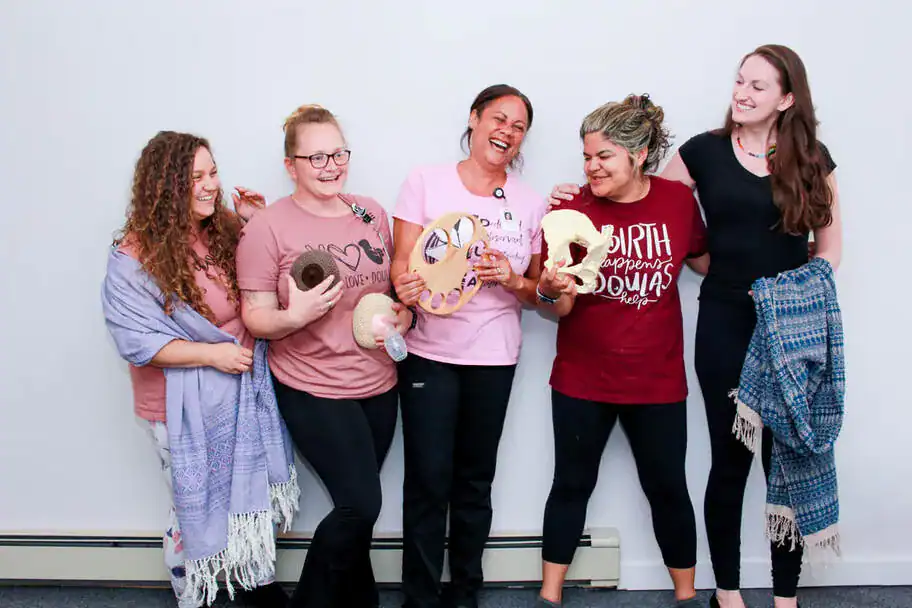
The Holistic Birth & Beyond team laughing together

We're here to help

Get in touch with Holistic Birth & Beyond today and discover how we can support you and your family as you grow.

  • 660 Mast Road, Manchester, NH 03102
  • 603.851.1595
  • hello@holisticbirthandbeyond.com

Want to stay in the loop?

By submitting your email, you agree to receive promotional emails from Holistic Birth & Beyond. You can unsubscribe at any time.

About
Holistic Birth & Beyond - Logo
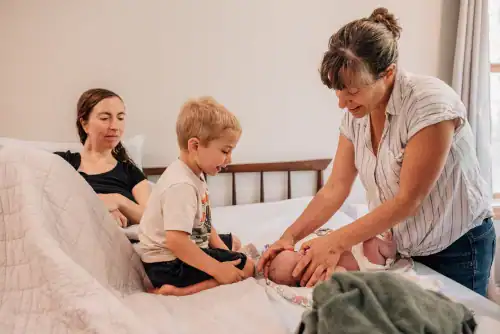
Doula changing a newborn on the bed as the mother and toddler look on

Visit the Families Hub

Explore trusted support, education, and services for every stage of your family’s journey.

Start Here

Birth Doula Services

Personalized support for the birth experience you envision.

Virtual Birth Doula Services

Compassionate guidance and preparation from the comfort of home.

Postpartum Doula Services

Practical and emotional support as you recover, bond, and find your rhythm.

Placenta Encapsulation +

Thoughtful processing services to support you through the fourth trimester

Explore All Services

We're here to help

Get in touch with Holistic Birth & Beyond today and discover how we can support you and your family as you grow.

Get the Freebie Bundle

Explore Family Resources

The HBB Podcast

Find Your Group

Birth & Parenting Classes

For Families
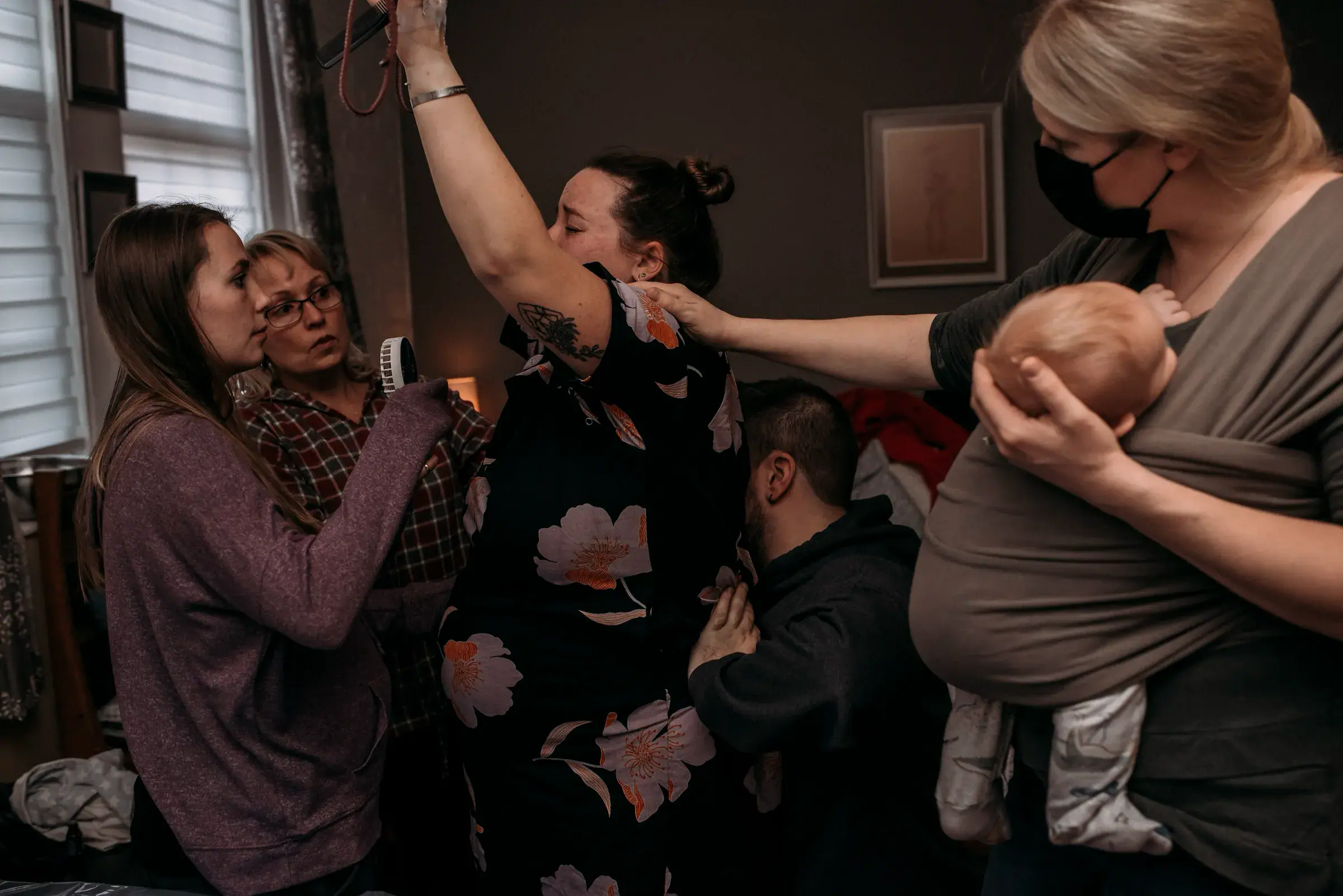
Doulas and family gathered around a mother at a home birth

For Birthworkers

Resources, connections, and professional development for doulas and birth professionals.

Start Here

Careers at HBB

Apply to Join Us

Book a Networking Call

Professional Development

Resources for Professionals

A Day in the Life of a Doula

Podcast

Placenta Services SOP Manual

Online Course

Upcoming Labor Doula Trainings

Blog

Get Updates for Birthworkers

By submitting your email, you agree to receive promotional emails from us. You can unsubscribe at any time.

For Healthcare Providers

Download our referral guide, explore networking opportunities, and learn more about HBB.

Questions?

Get in touch to discover how we can support you and your clients.

For Professionals
Holistic Birth & Beyond - Logo
M
For Families
  • =
    Start Here: Families Hub

Birth Doula Support

Postpartum Doula Support

Virtual Doula Support

Placenta Encapsulation

  • 5
    Explore All Services
Learn
  • =
    HBB Academy

(Free) Calm Start Toolkit

Podcast

Blog

Free Downloads

  • =
    Online Courses

Featured Class: Lactation 101

Learning Portal Login

  • =
    In-Person Classes

Featured Class: Holistic Preparation for Birth

Schedule & Booking

Connect
  • =
    Support Groups for Families

Pregnancy Support Group

Postpartum Support Group

Dads & Partners Support Group

Play Group

  • =
    Schedule & Booking
About
For Professionals

Providing doula and family services to New England and Beyond since 2017.

We are committed to inclusion, equity and accessibility, and welcome and affirm families of every identity, background and structure.

  • 660 Mast Road, Manchester, NH 03102
  • 603.851.1595
  • hello@holisticbirthandbeyond.com
Holistic Birth & Beyond - Logo
a

Stage Three of Labor: What to Expect When Birthing the Placenta

Most birth prep stops at "push and meet your baby." But your body isn't done yet. Here's what actually happens in the third stage of labor, and what you can choose to do with your placenta afterward.

Ep. #19

4 min. read

Transcript

0:17
Welcome back to the Holistic Birth Podcast. Today is episode 19 and we are going to be talking about stage three of birth, which is birthing the placenta, which is still birth. It’s a wonderful thing. Birth is still happening. It’s also a very special moment. So yeah, we’re gonna get into that process and just give you some insight and tips and all that kind of stuff.

1:11
So stage three of labor was all about the placenta. That’s a star of the show.

1:16
It deserves its own stage!

1:18
It really does. So at this point, baby is in your arms, you are doing skin to skin. Your uterus is working differently now. It is so it’s you might, you might be seeing different cramping still. But some signs that your placenta might be ready to be birthed would be if there’s a gush of blood. And usually it’s like bright red. Or if the umbilical cord is lengthening, so if it seems like it’s kind of like it seems like there’s more length? It’s more visible and the tension isn’t really there as much.

2:02
Yeah, it’s kind of like loose, loose and a little more like, stretchy or thin, I guess.

2:09
That’s exactly it — lengthening. Your provider might check to see if the placenta is ready by providing a little bit of cord traction. This is when they provide a tiny bit, a little bit of tension to the cord to see if like, is the placenta coming? Or is that still attached? They should not be pulling on it. They should not be yanking on that. That would be a liability for them anyway, so yes, they’re not they’re not going to be doing that.

2:35
No, yes. And they should not be doing that. Because might be causing serious problems. And I’ve definitely seen placentas born without any tension at all, they will just sometimes you’ll feel like the urge to kind of push, and you’ll feel that, you know, like fullness, feeling around your tailbone and some pressure and then it will come out. And most people are very relieved when it comes out. It’s just like everyone, I’ve heard everyone say, oh my gosh, I feel so much better.

2:59
It’s a huge relief. You definitely can feel that pressure again. And sometimes it’s, it can be a little intimidating because you’re like, I just went through this pressure. Yeah, this baby’s now in my arms. And And why am I feeling this? Like, you know, pressure again? Yeah. And so yeah, sometimes you can feel that pressure in your cervix or like at your like in your vagina. Like you said, your tailbone. But yeah, you could choose if you want to push, like birth the placenta on your own. Or if you do want the support of a provider, some people start one way and then switch to another if needed. Though, remember, there are no bones in your placenta. So it’s a little different than birthing your baby, a lot different. But yeah, it’s a huge relief. So many people are like, ah, for sure. Like, there’s just big sigh of relief.

3:46
Yeah, definitely. Yeah. So usually it takes about five to 30 minutes for it to come out. So really, everybody’s a little bit different on on how soon their placenta comes out. So, you know, don’t worry if it hasn’t been like an immediate thing. It does take a little bit of time. And your uterus will also still tighten and contract to kind of help with getting pushing the placenta out just like it kind of goes with your baby. So again, your uterus is still working a little bit hard to process the placenta so yeah, you know, your uterus after that will shrink at once the placenta is out it will start to shrink back to size so so usually I feel like a lot of people are concerned about like hemorrhage happening after this. It’s usually kind of when you know it will it’s you know, a special cases there. It does happen. It can happen before that, but this is usually the time that it might happen. So there are definitely ways to help prevent that such as like the fundal massage is one thing that’s offered which we will get into more detail in another episode because there’s varying opinions on whether it’s necessary or not. So we’re just going to talk a little bit more about that at some point in another episode, and then skin to skin of course, which we talked about in our I believe it was our last episode. Yeah, the golden hour. So having a golden hour the skin to skin is also ways to help prevent the the hemorrhaging and having like the breast crawl too is another thing apart in addition to the skin to skin.

5:13
The oxytocin hormone that helps, like with that contraction. Kind of. Yeah. state of being for your placenta for your uterus rather. Any any addition to oxytocin is really gonna help so skin to skin does promote that hormone. Yeah, same thing with a golden hour in the breast, the breast crawl, or if your partner’s nearby. I mean, we’re not saying that like, oh, well, if you’re if you’re nursing, and if your partner is holding you, then that’s all the oxytocin you need. Sometimes you have plenty of that. And maybe there’s something else going on? Sure. So good to know that there are potential ways to help support that, that potential, like decreasing the risk.

5:53
Yeah, yeah, definitely. And, you know, breastfeeding, of course, is another thing that can help prevent that, that hemorrhage. So but yes, like Allison said, there are some times that there might be something going on where it does still happen. But yeah, these things do kind of help prevent. Homeopathics, as everyone knows, I’m really into there are actually remedies to help with postpartum hemorrhage. One of those is of which is Pulsatilla. Works really, really well, from what I found. And yeah, so it’s Homeopathics. And then yeah, we talked about the breast crawl and all that. So I think we’ve covered pretty much all the, like, natural ways of trying to prevent so yeah.

6:30
And they do, they would potentially offer Pitocin as well.

6:33
Yeah, we got to bring that up. Yeah.

6:36
They would potentially offer Pitocin. So if it seems like the placenta is not coming, or if it does seem like there’s some like, yeah, like risk for hemorrhage, then they would they could offer that sometimes it’s either an injection, like intramuscularly, or it could be like through your IV. But yeah, that’s, that’s part of the Pitocin, you know, category.

6:59
Yeah definitely. Just another thought that popped in my head as far as like retained placenta. Of course, there’s also Homeopathics for that, but on another level, to get a little woo-woo on you guys. There is some thought around retained placentas. And like not being ready to let go of your birth and your baby, like so some people like energetically are just not ready to let quite let go of that chapter of their life. So I love to check in with people if that’s what’s happening, like, you know, how are you really feeling right now? Or are you sad that you know, your your pregnancy is over? And some people will say like, Yeah, I’m feeling a little bit sad about it. And that’s, once we kind of like, uncover that emotionally. They’re able to let go. So it’s interesting. Yeah, yeah, it’s really interesting. So not heard of that. Yeah. Yeah. So it’s really kind of neat. It’s like a little bit of an energetic thing, like just some people are just not quite ready to let go of the pregnancy and the birth experience. So they’re kind of retaining the placenta a little bit. So I like to kind of check in to see how they’re feeling and where they’re at. And kind of neat.

8:03
Cool. So stage three, the placenta, we can just talk about a few different ways or things to do with the placenta. Sure. Yeah. Sure, the default in a lot of places could be send it to medical waste. Maybe you don’t want it sometimes, like we were just talking about, it could be a texture thing. Again, what the heck am I supposed to do with this? It could be your baby’s the prize. And that’s all you care about right now. You don’t want to deal with this organ. But other other people consider doing things like taking it home to plant. Some people just bury it a little deeper in the ground than you would like sowing some seeds. Yeah. But yeah, plant some people plant the placenta, you could even put like a rosebush or something on top. For others, they do want to consume. So there could be encapsulation. There could be like the raw consumption of it. There are a lot of like anecdotal pieces about how consuming your placenta can help reduce the risk of bleeding and, like restore some levels, which we’ll talk about a later time too.

9:04
Yeah we’re gonna get really into the placenta consumption, all that. Yeah. Yeah, for sure.

9:12
But just some, just some thoughts. I had a client who recently was encapsulating her placenta and she wanted a piece of the placenta put into a smoothie. And she drank that and I mean, she didn’t have any terrible bleeding postpartum. Maybe that was an effect.

9:35
Yeah. Was this like immediately after birth?

9:38
Immediately after, within the hour.

9:41
Oh neat, cool.

9:41
It was the tiniest like, size of a quarter.

9:44
Yeah, that was cool.

9:48
But if that weirds you out, maybe don’t listen to our placenta consumption episode. Or maybe do because you’re curious about why the heck, what’s the whole deal with it? But yeah, there are some things to do with your placenta. It’s your organ. It’s your body so you can choose to take it home. I’ve heard that there are some, like legal, like hoops that some places have to jump through. And that to me sounds outrageous.

10:16
Yeah, it’s crazy. I don’t get that.

10:17
It’s like they treat it as medical waste. And it’s, it’s fine if they, if they have certain like policies or like misunderstandings around it, but that’s usually not law, like you then can still take your placenta and do something with it at home or whatever it is.

10:38
So I think that’s it on the stage three of placenta birth. But if anyone has questions, let us know.

10:46
Yeah, we’re here if you need anything. And we, we are still thrilled to be doing this with you. And we’re coming up on the end of season two. So we’re very, very excited to to have been here with you all these episodes so far. Stay tuned for more.

10:59
Yes, absolutely. We’ve got lots more coming so yeah.

11:04
Have a good rest of your day. Talk to you later!

11:06
All right, bye!

Show Notes

On today’s episode we talk about birthing the placenta. The stage often gets rushed through and it’s still such an important part of birth!

Join as we discuss:

  • What the process looks like
  • Choices on birthing your placenta
  • Postpartum hemorrhage
  • Retained placenta
  • Placenta options

Resources Mentioned:

Watch

Listen

Allison Morgan, founder of Holistic Birth & Beyond

Meet Allison

Founder and owner of Holistic Birth & Beyond, Allison Morgan began her journey into birth work in 2017.

Allison lives in NH with her husband and young daughter. When not doing birth work, you can find her spending time with her family, gardening and watercolor painting.

Want to stay in the loop?

Latest Articles

Professional Resources

Upcoming Labor Doula Trainings

Postpartum Life

Benefits of Placenta Products

Doula and Birth Care

A Doula’s (First-Time) Birth Story: Home Birth to Cesarean

Visit our resource hub

HBB Academy

From free support groups to informative podcasts, find the answers, inspiration and community you need, all in one easy place.

Pregnant woman petting her cat beside her partner on a laptop

Search HBB Academy

Resource Topics

For New Parents

Pregnancy and Birth Prep

Postpartum Life

For Returning Families

Doula and Birth Care

Birth Partners

Mindset and Wellness

Labor Education

Placenta

For Professionals

Transcript

0:17
Welcome back to the Holistic Birth Podcast. Today is episode 19 and we are going to be talking about stage three of birth, which is birthing the placenta, which is still birth. It’s a wonderful thing. Birth is still happening. It’s also a very special moment. So yeah, we’re gonna get into that process and just give you some insight and tips and all that kind of stuff.

1:11
So stage three of labor was all about the placenta. That’s a star of the show.

1:16
It deserves its own stage!

1:18
It really does. So at this point, baby is in your arms, you are doing skin to skin. Your uterus is working differently now. It is so it’s you might, you might be seeing different cramping still. But some signs that your placenta might be ready to be birthed would be if there’s a gush of blood. And usually it’s like bright red. Or if the umbilical cord is lengthening, so if it seems like it’s kind of like it seems like there’s more length? It’s more visible and the tension isn’t really there as much.

2:02
Yeah, it’s kind of like loose, loose and a little more like, stretchy or thin, I guess.

2:09
That’s exactly it — lengthening. Your provider might check to see if the placenta is ready by providing a little bit of cord traction. This is when they provide a tiny bit, a little bit of tension to the cord to see if like, is the placenta coming? Or is that still attached? They should not be pulling on it. They should not be yanking on that. That would be a liability for them anyway, so yes, they’re not they’re not going to be doing that.

2:35
No, yes. And they should not be doing that. Because might be causing serious problems. And I’ve definitely seen placentas born without any tension at all, they will just sometimes you’ll feel like the urge to kind of push, and you’ll feel that, you know, like fullness, feeling around your tailbone and some pressure and then it will come out. And most people are very relieved when it comes out. It’s just like everyone, I’ve heard everyone say, oh my gosh, I feel so much better.

2:59
It’s a huge relief. You definitely can feel that pressure again. And sometimes it’s, it can be a little intimidating because you’re like, I just went through this pressure. Yeah, this baby’s now in my arms. And And why am I feeling this? Like, you know, pressure again? Yeah. And so yeah, sometimes you can feel that pressure in your cervix or like at your like in your vagina. Like you said, your tailbone. But yeah, you could choose if you want to push, like birth the placenta on your own. Or if you do want the support of a provider, some people start one way and then switch to another if needed. Though, remember, there are no bones in your placenta. So it’s a little different than birthing your baby, a lot different. But yeah, it’s a huge relief. So many people are like, ah, for sure. Like, there’s just big sigh of relief.

3:46
Yeah, definitely. Yeah. So usually it takes about five to 30 minutes for it to come out. So really, everybody’s a little bit different on on how soon their placenta comes out. So, you know, don’t worry if it hasn’t been like an immediate thing. It does take a little bit of time. And your uterus will also still tighten and contract to kind of help with getting pushing the placenta out just like it kind of goes with your baby. So again, your uterus is still working a little bit hard to process the placenta so yeah, you know, your uterus after that will shrink at once the placenta is out it will start to shrink back to size so so usually I feel like a lot of people are concerned about like hemorrhage happening after this. It’s usually kind of when you know it will it’s you know, a special cases there. It does happen. It can happen before that, but this is usually the time that it might happen. So there are definitely ways to help prevent that such as like the fundal massage is one thing that’s offered which we will get into more detail in another episode because there’s varying opinions on whether it’s necessary or not. So we’re just going to talk a little bit more about that at some point in another episode, and then skin to skin of course, which we talked about in our I believe it was our last episode. Yeah, the golden hour. So having a golden hour the skin to skin is also ways to help prevent the the hemorrhaging and having like the breast crawl too is another thing apart in addition to the skin to skin.

5:13
The oxytocin hormone that helps, like with that contraction. Kind of. Yeah. state of being for your placenta for your uterus rather. Any any addition to oxytocin is really gonna help so skin to skin does promote that hormone. Yeah, same thing with a golden hour in the breast, the breast crawl, or if your partner’s nearby. I mean, we’re not saying that like, oh, well, if you’re if you’re nursing, and if your partner is holding you, then that’s all the oxytocin you need. Sometimes you have plenty of that. And maybe there’s something else going on? Sure. So good to know that there are potential ways to help support that, that potential, like decreasing the risk.

5:53
Yeah, yeah, definitely. And, you know, breastfeeding, of course, is another thing that can help prevent that, that hemorrhage. So but yes, like Allison said, there are some times that there might be something going on where it does still happen. But yeah, these things do kind of help prevent. Homeopathics, as everyone knows, I’m really into there are actually remedies to help with postpartum hemorrhage. One of those is of which is Pulsatilla. Works really, really well, from what I found. And yeah, so it’s Homeopathics. And then yeah, we talked about the breast crawl and all that. So I think we’ve covered pretty much all the, like, natural ways of trying to prevent so yeah.

6:30
And they do, they would potentially offer Pitocin as well.

6:33
Yeah, we got to bring that up. Yeah.

6:36
They would potentially offer Pitocin. So if it seems like the placenta is not coming, or if it does seem like there’s some like, yeah, like risk for hemorrhage, then they would they could offer that sometimes it’s either an injection, like intramuscularly, or it could be like through your IV. But yeah, that’s, that’s part of the Pitocin, you know, category.

6:59
Yeah definitely. Just another thought that popped in my head as far as like retained placenta. Of course, there’s also Homeopathics for that, but on another level, to get a little woo-woo on you guys. There is some thought around retained placentas. And like not being ready to let go of your birth and your baby, like so some people like energetically are just not ready to let quite let go of that chapter of their life. So I love to check in with people if that’s what’s happening, like, you know, how are you really feeling right now? Or are you sad that you know, your your pregnancy is over? And some people will say like, Yeah, I’m feeling a little bit sad about it. And that’s, once we kind of like, uncover that emotionally. They’re able to let go. So it’s interesting. Yeah, yeah, it’s really interesting. So not heard of that. Yeah. Yeah. So it’s really kind of neat. It’s like a little bit of an energetic thing, like just some people are just not quite ready to let go of the pregnancy and the birth experience. So they’re kind of retaining the placenta a little bit. So I like to kind of check in to see how they’re feeling and where they’re at. And kind of neat.

8:03
Cool. So stage three, the placenta, we can just talk about a few different ways or things to do with the placenta. Sure. Yeah. Sure, the default in a lot of places could be send it to medical waste. Maybe you don’t want it sometimes, like we were just talking about, it could be a texture thing. Again, what the heck am I supposed to do with this? It could be your baby’s the prize. And that’s all you care about right now. You don’t want to deal with this organ. But other other people consider doing things like taking it home to plant. Some people just bury it a little deeper in the ground than you would like sowing some seeds. Yeah. But yeah, plant some people plant the placenta, you could even put like a rosebush or something on top. For others, they do want to consume. So there could be encapsulation. There could be like the raw consumption of it. There are a lot of like anecdotal pieces about how consuming your placenta can help reduce the risk of bleeding and, like restore some levels, which we’ll talk about a later time too.

9:04
Yeah we’re gonna get really into the placenta consumption, all that. Yeah. Yeah, for sure.

9:12
But just some, just some thoughts. I had a client who recently was encapsulating her placenta and she wanted a piece of the placenta put into a smoothie. And she drank that and I mean, she didn’t have any terrible bleeding postpartum. Maybe that was an effect.

9:35
Yeah. Was this like immediately after birth?

9:38
Immediately after, within the hour.

9:41
Oh neat, cool.

9:41
It was the tiniest like, size of a quarter.

9:44
Yeah, that was cool.

9:48
But if that weirds you out, maybe don’t listen to our placenta consumption episode. Or maybe do because you’re curious about why the heck, what’s the whole deal with it? But yeah, there are some things to do with your placenta. It’s your organ. It’s your body so you can choose to take it home. I’ve heard that there are some, like legal, like hoops that some places have to jump through. And that to me sounds outrageous.

10:16
Yeah, it’s crazy. I don’t get that.

10:17
It’s like they treat it as medical waste. And it’s, it’s fine if they, if they have certain like policies or like misunderstandings around it, but that’s usually not law, like you then can still take your placenta and do something with it at home or whatever it is.

10:38
So I think that’s it on the stage three of placenta birth. But if anyone has questions, let us know.

10:46
Yeah, we’re here if you need anything. And we, we are still thrilled to be doing this with you. And we’re coming up on the end of season two. So we’re very, very excited to to have been here with you all these episodes so far. Stay tuned for more.

10:59
Yes, absolutely. We’ve got lots more coming so yeah.

11:04
Have a good rest of your day. Talk to you later!

11:06
All right, bye!

Show Notes

On today’s episode we talk about birthing the placenta. The stage often gets rushed through and it’s still such an important part of birth!

Join as we discuss:

  • What the process looks like
  • Choices on birthing your placenta
  • Postpartum hemorrhage
  • Retained placenta
  • Placenta options

Resources Mentioned:

Watch

Listen

Most birth preparation focuses on stages one and two: early labor, active labor, transition, pushing and baby's arrival. But there's a third stage that often catches people off guard: birthing the placenta. In this episode, I shine a well-deserved light on this final act of labor, what to expect, how to support your body through it and what you can choose to do with your placenta afterward.

The Placenta Deserves Its Own Stage

The placenta is truly the star of the show. It built itself from scratch, nourished your baby for months and sustained your entire pregnancy. By the time it's being born, your baby is in your arms and you're likely in the middle of skin-to-skin, but your uterus is still at work.

Signs Your Placenta Is Ready to Be Born

You may notice continued cramping as your uterus works to release the placenta. Signs it's ready include:

  • A gush of blood, usually bright red
  • The umbilical cord lengthening and looking looser, with less tension
  • A renewed feeling of pressure or fullness in your vagina, cervix or tailbone

Your provider may check by applying a tiny bit of gentle tension to the cord, called cord traction. This should never be pulling or yanking.

How Long Does It Take?

Typically between five and thirty minutes after birth. Everyone is different, so don't worry if it isn't immediate. Your uterus continues to tighten and contract, much like it did to help birth your baby, and once the placenta is out, it begins shrinking back down.

What It Feels Like and the Relief That Follows

That returning pressure can feel a little intimidating right after you've just pushed out a baby. You can choose to push the placenta out on your own or with support from your provider, and it's fine to start one way and switch. Remember: there are no bones in your placenta, so it comes out much more easily than your baby did. Almost everyone describes the moment it arrives as an enormous sigh of relief.

Reducing the Risk of Postpartum Hemorrhage

The time around the placenta's birth is when postpartum hemorrhage is most likely to happen, and there are many ways to support your body:

  • Skin-to-skin and the golden hour: both boost oxytocin, which helps your uterus contract
  • The breast crawl and breastfeeding: baby's movements and nursing also promote contractions
  • Fundal massage: often offered by providers, though opinions vary on when it's necessary (more on that in a future episode)
  • Pitocin: your provider may offer it as an injection or through your IV if the placenta isn't coming or bleeding is a concern

Some people also use homeopathic remedies as part of their approach. And sometimes, even with every supportive measure in place, extra help is still needed, which is exactly what your care team is there for.

An Emotional Perspective on Retained Placenta

Some birth workers believe there can be an emotional layer to a placenta that's slow to come: a part of you that isn't quite ready to let go of your pregnancy or birth. Gently checking in with how you're feeling in that moment can sometimes help you release that chapter.

What to Do With Your Placenta

In many birth settings, the default is to treat the placenta as medical waste. But it's your organ and your choice. Some options include:

  • Planting it: burying it in the ground, sometimes beneath a tree or rosebush
  • Encapsulation: having it prepared into capsules for postpartum
  • Raw consumption: one of my clients had a quarter-sized piece blended into a smoothie within an hour of birth
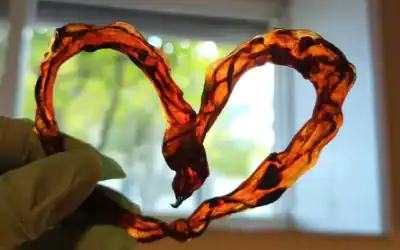
  • Keepsakes: like a placenta print

If you want to take your placenta home, know that hospital policy is not law. There may be some paperwork, but you can still bring it home and honor it in whatever way feels right to you.

Tune in to the full episode for a warm, detailed conversation about the third stage of labor: what to expect, what you can choose and how to feel prepared for this final piece of the birth journey.

A Gift for Podcast Listeners

Thank you for listening. Take 20% off our Guide to Out of Hospital Birth with code PODCAST20 and feel ready for the birth you’re hoping for.

latest episodes

More learning and inspiration for your birth journey

Free Download

Clear Out the Noise with the Calm Start Toolkit

Your essential guide to preparing for birth with confidence. Includes checklists, comfort measures and conversation starters for your birth team.

Parent cradling a baby's feet in a dim room

ON THE BLOG

What Families Are
Turning to Right Now

The question on your mind is the wisdom we’re sharing.

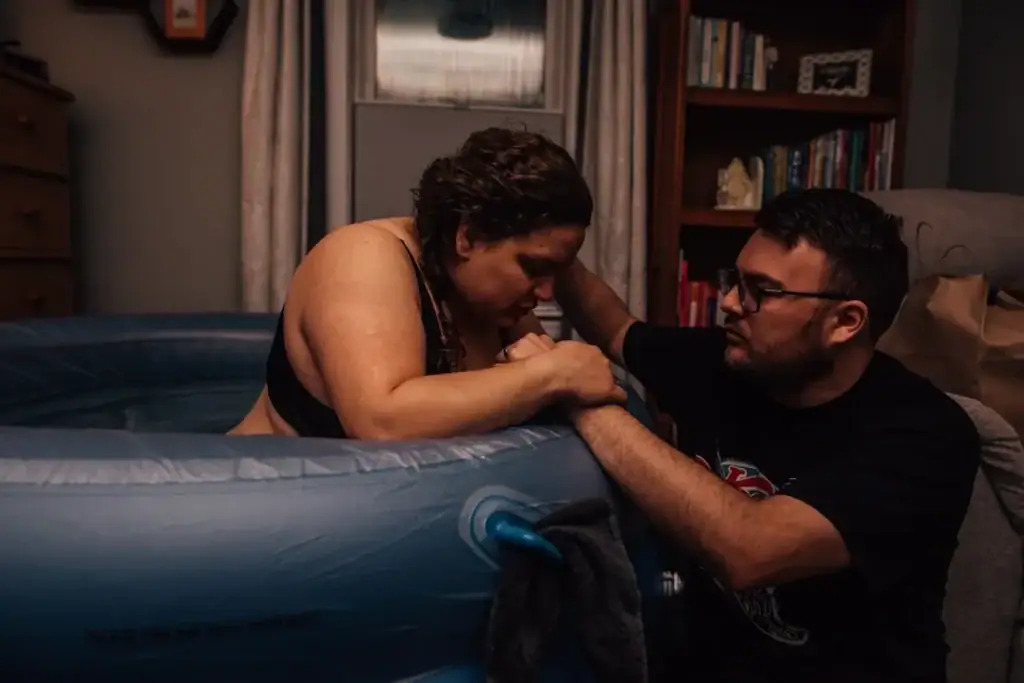
Partner supporting a laboring mother at the edge of a birth pool

Doula and Birth Care

A Doula’s (First-Time) Birth Story: Home Birth to Cesarean

Like so many births, mine unfolded in a way I never expected, and shaped me in the deepest ways imaginable. I’m sharing my birth story […]

  • Keep Reading

How to Choose the Best Breast Pump: A Doula and Lactation Educator’s Guide

Postpartum Life

=

The Golden Hour: Protecting the Sacred First Moments After Birth

Labor Education

=

10 Questions to Ask When Interviewing a Doula

Doula and Birth Care

=

Beyond the Podcast

Explore HBB Academy

Ready to dive deeper? HBB Academy offers self-paced courses and downloadable resources that expand on what you're learning here. From birth prep to newborn care, find the tools that fit your timeline.

want even more support?

These free resources are a great place to start. And if you're looking for personalized, hands-on guidance, we're here for you with our services, classes and group offerings.

Contact us today to book a free consult and learn how we can support your unique journey. 

Birth Doula Support

Birth Doula Support

Continuous, compassionate care before, during and after labor. Our doulas provide evidence-based guidance and steady emotional presence to help you feel confident, supported and seen throughout your birth experience.

Postpartum Doula Support

Postpartum Doula Support

A beautiful transition has happened, and you are finally home with baby. Now what? Postpartum doulas provide endless support and guidance for an easeful shift.

Placenta Encapsulation + More

Placenta Encapsulation + More

Natural, holistic support for postpartum healing. We offer placenta encapsulation, tinctures, keepsakes and more. Designed to support wellbeing and promote steady recovery as you settle into life with your baby.

Education & Community

Education & Community

You deserve steady support as you grow into each new stage of parenthood. We offer evidence-based childbirth and lactation classes, pay-what-you-can support groups and HBB Academy with courses and free resources; all created to help you feel prepared, connected and empowered.

Birth Doula Support

Continuous, compassionate care before, during and after labor. Our doulas provide evidence-based guidance and steady emotional presence to help you feel confident, supported and seen throughout your birth experience.

Postpartum Doula Support

A beautiful transition has happened, and you are finally home with baby. Now what? Postpartum doulas provide endless support and guidance for an easeful shift.

Placenta Encapsulation and More

Natural, holistic support for postpartum healing. We offer placenta encapsulation, tinctures, keepsakes and more. Designed to support wellbeing and promote steady recovery as you settle into life with your baby.

Education & Community

You deserve steady support as you grow into each new stage of parenthood. We offer evidence-based childbirth and lactation classes, pay-what-you-can support groups and HBB Academy with courses and free resources; all created to help you feel prepared, connected and empowered.

Hand-drawn flowering branch

Keep Learning

Everything you need to feel ready, right here.

Our free resources are available instantly in our convenient online academy.

No pressure, no clickbait. Just support that meets you where you are.