Visit our resource hub

HBB Academy

From free support groups to informative podcasts, find the answers, inspiration and community you need – all in one easy place.

Pregnant woman petting her cat beside her partner on a laptop
In-Person Classes
  • =
    Group & Private Classes
  • =
    Holistic Preparation for Birth
  • =
    Lactation 101
  • =
    Newborn Care 101
  • =
    Class Schedule & Booking
Online Courses
  • =
    Explore Courses
  • =
    Guide to Waterbirth
  • =
    Comfort Techniques for Labor
  • =
    Conception Guided Meditation
  • =
    Lactation 101
  • =
    Login & Sign-up
Free Resources
  • =
    Get the Calm Start Toolkit
  • =
    ​Preparing for Birth: The Ultimate Checklist
  • =
    Labor & Birth Playlists
  • =
    Calm Start Toolkit
  • =
    First Trimester Roadmap
  • =
    Explore Our Freebies
Donation-Based Groups
  • =
    See All Support Groups
  • =
    Pregnancy Support Group
  • =

    Postpartum Group
    (3 Locations Offered!)

  • =
    Dads & Partners Group
  • =
    Play Group
  • =
    Schedule & Booking
Blog
Podcast
Pregnant woman in a yellow off-shoulder top cradling her belly outdoors

Featured

Holistic Preparation for Birth

Trusted, clear, evidence-based guidance to help you prepare for labor with confidence.

More Info & Schedule

Learn Online

Contact for Private

What's New & Trending

Top 5 Reasons to Hire a Birth Doula

Blog

Doula and Birth Care

=

The tool to help make any decision: B.R.A.I.N.

Blog

Mindset and Wellness

=

The Golden Hour: Protecting the Sacred First Moments After Birth

Podcast

Labor Education

=
Resources

Get to Know Our Team!

Meet the people, values, and experience behind Holistic Birth & Beyond.

About HBB

The Holistic Birth & Beyond team laughing together

We're here to help

Get in touch with Holistic Birth & Beyond today and discover how we can support you and your family as you grow.

  • 660 Mast Road, Manchester, NH 03102
  • 603.851.1595
  • hello@holisticbirthandbeyond.com

Want to stay in the loop?

By submitting your email, you agree to receive promotional emails from Holistic Birth & Beyond. You can unsubscribe at any time.

About
Holistic Birth & Beyond - Logo
Doula changing a newborn on the bed as the mother and toddler look on

Visit the Families Hub

Explore trusted support, education, and services for every stage of your family’s journey.

Start Here

Birth Doula Services

Personalized support for the birth experience you envision.

Virtual Birth Doula Services

Compassionate guidance and preparation from the comfort of home.

Postpartum Doula Services

Practical and emotional support as you recover, bond, and find your rhythm.

Placenta Encapsulation +

Thoughtful processing services to support you through the fourth trimester

Explore All Services

We're here to help

Get in touch with Holistic Birth & Beyond today and discover how we can support you and your family as you grow.

Get the Freebie Bundle

Explore Family Resources

The HBB Podcast

Find Your Group

Birth & Parenting Classes

For Families
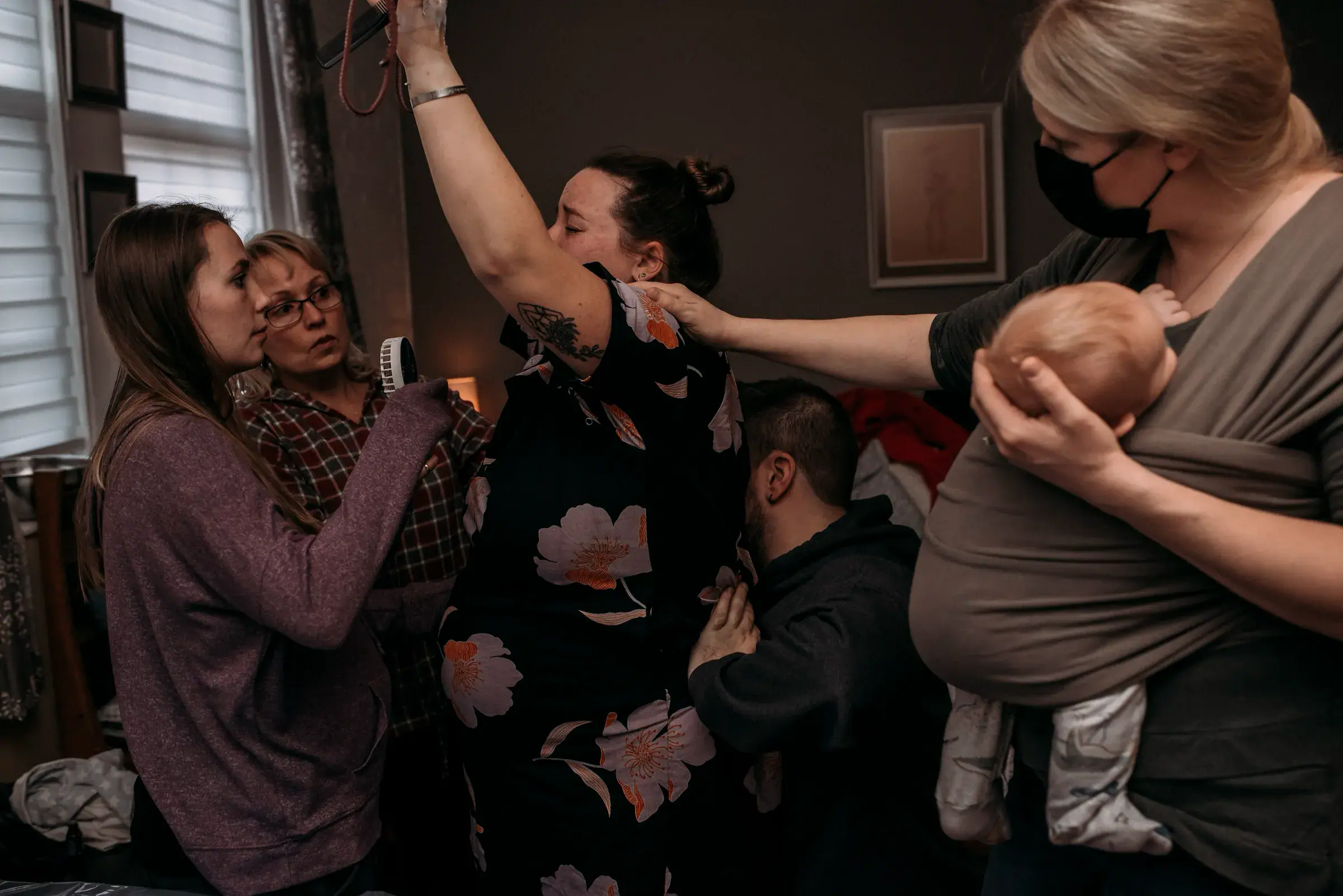
Doulas and family gathered around a mother at a home birth

For Birthworkers

Resources, connections, and professional development for doulas and birth professionals.

Start Here

Careers at HBB

Apply to Join Us

Book a Networking Call

Professional Development

Resources for Professionals

A Day in the Life of a Doula

Podcast

Placenta Services SOP Manual

Online Course

Upcoming Labor Doula Trainings

Blog

Get Updates for Birthworkers

By submitting your email, you agree to receive promotional emails from us. You can unsubscribe at any time.

For Healthcare Providers

Download our referral guide, explore networking opportunities, and learn more about HBB.

Questions?

Get in touch to discover how we can support you and your clients.

For Professionals
Holistic Birth & Beyond - Logo
M
For Families
  • =
    Start Here: Families Hub

Birth Doula Support

Postpartum Doula Support

Virtual Doula Support

Placenta Encapsulation

  • 5
    Explore All Services
Learn
  • =
    HBB Academy

(Free) Calm Start Toolkit

Podcast

Blog

Free Downloads

  • =
    Online Courses

Featured Class: Lactation 101

Learning Portal Login

  • =
    In-Person Classes

Featured Class: Holistic Preparation for Birth

Schedule & Booking

Connect
  • =
    Support Groups for Families

Pregnancy Support Group

Postpartum Support Group

Dads & Partners Support Group

Play Group

  • =
    Schedule & Booking
About
For Professionals

Providing doula and family services to New England and Beyond since 2017.

We are committed to inclusion, equity and accessibility, and welcome and affirm families of every identity, background and structure.

  • 660 Mast Road, Manchester, NH 03102
  • 603.851.1595
  • hello@holisticbirthandbeyond.com
Holistic Birth & Beyond - Logo
a

Autonomous Birth in a Hospital: How to Give Birth on Your Terms

A hospital birth can still be your birth. From choosing your provider to dimming the lights, here's how to protect your autonomy in any birth setting.

Ep. #8

2 min. read

Transcript

0:17
Welcome back to the Holistic Birth Podcast. This is episode eight. And today we’re gonna be talking about autonomous birth in the hospital. So this is for those who choose to give birth in a hospital for whatever reason, whether that’s if you’re transferring, if it’s more last minute, or you’re truly high risk, want epidural options or anything like that, you still deserve an autonomous birth. And that supports you as a whole person, mind, body and soul. We want to help equip you and having the most positive birth experience.

1:20
So I mean, I think it’d be important to know that you can choose the hospital that’s right for you. Most of the time, you have more than one option. And you kind of could ask yourself too how far are you willing to drive for a choice that feels like a better fit for you. But learning which provider offices are affiliated with which hospitals is helpful. Asking specifically those offices, what their cesarean rates are, there are episiotomy rates, kind of getting a sense of what their practices are like and what their outcomes are like is good. And then taking a tour of the actual facilities is usually an option. During COVID, they kind of squashed in person tours for a little while but I know a lot of them are bringing that back. So whether it’s virtual or in person, it’s really good to tour and get all your questions answered. Then see what other people are saying about that specific, you know, hospital or the provider office. Get on the like moms’ groups on Facebook, or whatever it is to get the dirt, have the people spilled the tea about their experiences with those places, because it can kind of help to know who can vouch or kind of expose certain trends with a certain provider or hospital. I feel like movies tend to demonstrate to us that birth has to be or is always this very fast and dramatic situation. Birth can be, you know, eventful, of course, but I feel like there’s always the water breaking and —

2:58
Yeah, it’s like a gushing water coming out and then like five seconds later they’re at the hospital screaming and with their legs in the air kind of thing. So yeah, it’s not entirely accurate.

3:07
It’s not. I don’t know if I’ve ever seen a birth scene in a movie where I’m like, that was actually really well done.

3:14
Yeah, no, I don’t think I’ve ever seen that either. Not ever, not TV shows. Yeah, it’s totally different than what they portray.

3:22
The only I think the only time I was ever like, oh, Hollywood did okay–

3:27
giggling baby ringtone goes off Sorry about that. If anybody heard the giggling baby, sorry about that.

3:34
I think the only time I ever saw a scene that was sort of like, pretty decent was this like, I think it was like a documentary I saw on Netflix, who was Pieces of a Woman. Have you seen that?

3:47
I haven’t seen that, no.

3:48
Definitely a trigger warning here, it is about loss. And it was a very specific situation. I actually wrote a blog about it a while ago because I wanted to pick it apart and talk about it. You might want to wait until after baby has arrived to watch or read the blog post or whatever. But that was the only one I saw that did a decent job of showing like what labor can look like. But still it kind of gives us the idea that the second you feel like a twitch of labor you have to like rush on in. And for people who are seeking an autonomous, more holistic, like family-centered kind of birth experience, which is most of our listeners, I think it’s really helpful to know that you can wait until more active labor to head in. When your water breaks or when you’re first getting your like first few contractions like that does not mean you have to head on in. With precipitous labor, which is when labor starts and then ends with the birth within like three hours or less. Which is like ridiculously fast right? Like, that’s happens and only like 3% of births. So it’s kind of helpful to remember that there’s usually time to labor at home, especially if you’re in those early labor stages. There is a huge difference obviously too between early labor and active labor, if you want the epidural then that may change when you go in. But most people can kind of wait until that 5-1-1 or even 4-1-1 rule or ratio that people tend to rely on. I don’t love the idea of like focusing on like, timing contractions the entire time, it definitely takes you out of your zone but it’s still helpful to know if they’re coming kind of frequently,

5:36
Yeah, they’re different for everybody, too. I’ve noticed like young people that are having like two minutes apart or whatever, like it’s still, right now, that doesn’t mean that like, you have to rush to the hospital, it can that can last for a while.

5:49
I think a lot of times it’s about the intensity, could be four minutes apart for hours, but you might still be giggling through things and you might still feel like babies pretty high, you’re not feeling any pressure in your pelvis. So like talking through like, it’s not just the ratio, and I’ve had people who they don’t get closer than six minutes apart all the way through pushing. And it’s typically, we see them get anywhere from like, two to three minutes apart during the pushing stage. But I don’t know, it’s hard to kind of just base it off of numbers alone. We’re already a little number happy and we always want something tangible. But it’s helpful to kind of like hold that loosely. Most people tend to head in around that 5-1-1 or 4-1-1 rule.

6:32
Explain what the 5-1-1 and 4-1-1 is.

6:34
Yeah, so 5-1-1 is like contractions are five minutes apart, they’ve been lasting a minute long each and it’s all been going on for an hour or more. Or more is the thing I like to keep in mind, right? When you hit 60 minutes, and they’ve been five minutes apart, it’s not like you need to rush. But it kind of depends on the intensity. And then 4-1-1 is basically the same thing, except for minutes apart, lasting a minute long each, all been going on for an hour or more.

6:59
Yeah, even with intensity I’ve seen too that sometimes, you know, some women don’t experience any intensity at all. And they’re like, oh, like I feel okay. And then they’re like, oh, gosh, the baby’s head is right there. And then I’m having a baby at home or something!

7:12
Right, right. Yeah. So I’m like, how comfortable would you be with a spontaneous home birth? Right? If that is an I don’t know, maybe then yeah, look into that. But also, if you’re really wanting to avoid it, if you don’t feel safe giving a birth at home or you feel like you aren’t prepared for that or whatever then definitely pay attention to the pressure and sensations you’re feeling. Because even if you’re maybe coping well, it’s still good to know what to look for, for those really late stages of where you’re at. So obviously any like strong like pelvic pressure that’s been pretty consistent or anything vaginally or rectally, like pressure-wise, that you’re feeling, those are usually indicative that it’s time to head in.

7:52
Yeah, yep.

7:53
You might be starting pushing stage soon. But yeah, even just taking like a birth class and communicating with your partner and your doula about different things to learn for strategies on early labor versus active labor. Even some people do like to appreciate that early labor transitioning into active labor and still trying to stay in their rhythm at home before they just start rushing, I think it kind of helps with like getting that pattern established and then feeling like you found your rhythms for coping before heading in. Also, things can kind of peter out a little bit, too. I’ve seen people who get all excited, they’re like, Oh, I think I think I’m at the 5-1-1 I think we’re gonna head in and then the second they start to like, head towards the door, things slow down a little. Just wait until things are really consistent. And then definitely be open with your provider to about your wishes, and have them make suggestions based off of what’s important to you about how long you want to labor at home and stuff like that.

8:54
Yeah. So yeah, of course, laboring at home tends to be more comfortable. A lot of people really feel safer at home and that sort of thing. So, you know, they want to kind of stay there and just connect with their partner or if you need your doula there earlier, some doulas will come during early labor to just to kind of, you know, answer any questions you have or anything like that. And then it also helps you get into rhythms so your chances of, you know, have that car ride, you know, and getting going to the hospital admission into the hospital, impacting contraction pattern is less likely. When you get to the hospital, of course, using your B.R.A.I.N. acronym and the six steps of healing, which we talked about in episode two, that really is important to once you’re getting there so you can establish what your wants and your needs are and what you want, don’t want, that sort of thing. Studies have shown that having a doula is also really great, someone who is not employed with the hospital is always beneficial and can have potentially change outcomes relative to risk shift. It could decrease your risk of cesarean birth by 39%, increase your likelihood of spontaneous vaginal birth by 15%. And then decrease the use of any medications for pain relief by 10%. In some cases, shortening labor to an average about 41 minutes, and decreasing the risk of just being dissatisfied with the whole birth process by 31%. So really impactful numbers for sure.

10:26
I get excited when people find the evidence and then they come to us during like a consult or something and they’re, like I’ve seen like, studies can decrease the risk! Obviously, we can’t guarantee outcomes. We can do our best to help you like with the goals and the hopes that you have for your birth experience. But it does bring a lot of comfort to people to know that they are supported by this doula, this person that’s hired by them for them.

10:52
Yeah, not for the hospital like to do less work for you not for the hospital.

10:56
It’s nice to have that separation and this familiar face that you’ve met in advance and will visit you postpartum.

11:04
Definitely good stuff.

11:05
I mean, the people in your room, obviously, that matters a lot. So I mean, let’s talk about nurses too, because we focus a lot on the provider. How to pick someone and you work with them prenatally. And we talk a lot about, like, how to choose your provider in episode five, but the nurse is really the member of the hospital staff that you’re going to see the most. Picking and managing that relationship is a good thing to keep in mind when it comes to trying to give yourself the best chances of an autonomous birth. Most of the time, the ratio for nursing staff to patients is one to one. So when you’re in labor, usually it’s one nurse assigned to you and nobody else. Some places if they’re busier or understaffed, or if it’s just not their setup, they might not have that one to one ratio, but it’s usually pretty standard. You could always ask ahead of time, especially when you’re doing the tour. They typically do like 8 or 12 hour shifts so it’s good to kind of keep in mind around 7am 7pm, you’ll probably see some sort of change. So if you’ve really liked your nurse or if you didn’t really like your nurse, it’s like either a light at the end of the tunnel or mentally prepare yourself that your favorite nurse might be heading out. Even when you’re on your way over, and you’ve already called them, letting them know that you’re on your way or when you’re being admitted, you can kind of tell them what you’re looking for in your nurse, like who is going to be the best fit for you as someone who gives you space, is it someone who’s super hands on and helpful? Is it someone who is good at like positioning, someone who will be funny or calming. There are definitely different personalities to nurses just like doulas, and partners and providers. I feel like that’s a really helpful thing to think about right when you get there. Or when you really liked your nurse or are getting a new nurse, you could always kind of put some feelers out there like “Hey, you should pick somebody, for me that’s coming on that would really match what you think we most need.” So you can kind of ask them to to keep in mind who will be a good fit for you rather than just more like a random assignment. Then definitely lean on your partner and your doula to help amplify your voice when it comes to communication with nursing staff. Especially because your partner and your doula will known in advance what is most important to you. It kind of helps with that ease of the transitions and the communication.

13:46
Yeah, yep. So yeah, kind of back to the doulas too, the doulas are there to like work with the nurses. So there’s a cohesive, you know, relationship that is happening there. And a lot of times, they are really appreciative when there’s a doula there because it really lightens the load for them. So you know, if there’s comfort, comfort measures that need to be put in place they don’t have to do those things. Your doula can do them or your partner can do them, or there’s just like someone there other than them. Their caseload can be kind of big sometimes. So just having that extra person there to like, even help clean up some things, or, you know, get some out of the way or again, just like be the extra support, they really appreciate that. Ways to have your partner involved, which is very important. Of course, we don’t want to exclude the partner, they’re really there to be a part of the birth team. They’re the ones that know you the best. So besides hands on support with positioning or coping strategies, you can get on the same page with your partner about your wishes and your preferences ahead of time in conjunction with your doula of course. Review your birth preferences or your birth plan with them, which you’re kind of doing together anyway. Then discuss scenarios to prepare for communication tools, maybe asking your doula for tips and tricks here as well. And explore what might be you might be comfortable with your partner doing and if do you prefer like them communicating to the hospital staff. Or do you prefer your doula doing it? Like, do you want your partner to kind of focus more on supporting you? Or do you want your partner be really being the one to be the voice and advocating for you if that’s needed? Tell your doula ahead of time, like what your preferences are. It’s really good to keep that communication open.

15:42
There’s definitely different ways that your doula or partner would communicate. There are people who just are naturally more confident and direct. There are other people that, not that confrontation or conflict is challenging, or maybe it is, but it’s more like they they go about it in a very gentle way. You can kind of pick your doula based off of their communication style. I know that I’ve had clients who are seeking a doula who is maybe gentler to soften how they feel like they might be communicating with the staff. They’re like, “I need someone to like, soften how direct I’m going to be.” I’ve had other people who were like, “listen, I’m a people pleaser,” or “I’m really bad with conflict or telling people what I need. I kind of need someone to take the initiative and to kind of like step in.” So that’s something to think about, too, when choosing a doula, when kind of talking with your doula and your partner about communication styles. Do you feel like you need someone to offset you or fill in the gaps that you feel like you’re not going to know what to do? Or how to how to do it?

16:41
Yeah, definitely, some doulas are will go to bat for you if you want them to. So don’t be afraid to, when looking for one, if that’s what you need. Or, again, if you want someone that’s going to kind of just, you know, relate in a more gentle manner if you’re more stern person.

16:57
Are you familiar with Lord of the Rings?

16:59
Oh, yeah.

17:01
Just checking.

17:02
I’m obsessed with Lord of the Rings!

17:04
I had done a post a while ago, I had a client who had thanked me for being their Gandalf. And I was like, that’s such a good analogy is like, there are definitely different ways that someone can be your doula. I’m sorry for making Lord of the Rings references if that’s not for you.

17:26
Sorry, not sorry.

17:27
But basically, Gandalf helps to lead the way and protects and “you shall not pass.” He can be a very, like strong leader and guide and that type of thing.

17:39
I’m going to use that now.

17:40
Yeah, I highly recommend and that’s sometimes when I know that someone has familiarity with Lord of the Rings and ask them like, “do you need a Gandalf? Or do you need a Samwise Gamgee?” Do you need someone who’s gonna like, “I can’t carry it for you. But I can carry you?” Do you need like someone who’s not going to like, lead the way but like, walk with you and kind of follow you as you’re leading?

18:04
Oh, I like that. I’ve never thought of that before.

18:07
That’s a good, it’s a good description of the communication or the types of support. So that might even kind of blend into like the nurses that you have. Do you like someone who’s very good about being proactive, taking charge and helping to guide you or do you kind of just need a nurse who’s supportive of the rhythms that you’ve already established or whatever.

18:28
Yeah. Mountains, Gandalf! Sorry, I had to add that in there. My partner and I, every time we go hiking, we’ll see a view and we’re like “mountains, Gandalf.”

18:39
That’s funny. I think I’m more into Harry Potter than I am into Lord of the Rings.

18:45
Yeah, we like Harry Potter too.

18:46
Cool. I definitely cannot talk about personalities and communication styles in the birth room without bringing up that example. I feel like it’s super helpful.

18:56
I love that. That’s great.

18:58
Yeah, and I think something that’s important to note, too, is, a lot of times when we’re thinking about autonomous birth in a hospital setting, a lot of people ask and wonder about like hospital policy. Okay, “well, I want to do it this way but they say that this is what they do, or this is their policy.” And it’s really helpful to make the distinction that hospital policy is not law. It’s something that’s put in place to protect the hospital staff and providers, mostly from any liability or any litigation.

19:28
Right.

19:28
So it’s kind of like guidelines that they are trying to follow to reduce the risk of all of that. When I was on my honeymoon, I read this book called, Pushed by Jennifer Block.

19:43
The life of a doula!

19:46
This is what I’m reading as we’re like, sitting on a Smoky Mountains, Tennessee cabin, we went like horseback riding and did like all kinds of like fun stuff.

19:56
My kind of honeymoon. Yeah, I like that.

19:58
It was great. But it was COVID time, it was very restorative. But this is what I would read on the porch during the early hours in the morning. But it was a fantastic read, especially if you want to learn more about how the shift happened between, like that huge surge of policies that became kind of more implemented over the last like 50 or 75 years, like their fear of like, breech birth. One case really can shift tons of policies.

20:31
It can, yeah.

20:34
It might be helpful if you’re interested in that kind of history. But when you are in active labor, the hospital is legally required to care for you. So if you are not on board with the policy that they have, or you’re not wanting to follow some thing that they’re recommending, they can’t kick you out, they can’t decline. They can’t just be like, “Okay, well, we’re gonna have to boot you, you’re gonna have to transfer out because you’re not, you know, getting out of the tub when we want you to” or whatever. I think there was a helpful post, like a blog post that I saw from Lamaze, when I was doing some research on this like a little while ago, and they had given a good example about, say, for example, when you get to the hospital, most of the time, they want to do some sort of monitoring, or have you in the bed, the beginning to track and trace where you’re at. But if you prefer to walk in order to progress labor or just cope, because movements really great, of course, and the nurse is telling you, “oh, it’s hospital policy for you to be in bed for whatever reason,” monitoring or whatever, you can ask them, “could I please see the rules, I’d like to kind of talk about this, it’s my understanding that it’s my right to negotiate what these are, and it’s now my responsibility, if I’m deciding to kind of go against it”. They can have whatever opinion or reaction that they want, but in reality, they can just document that you’re declining that and whatever. Sometimes they get more people declining policies, than they led you to believe like, a lot of people are like, “No, thank you. I’d still like to be up moving. Let’s try to track me that way.” Or “I’d rather sit in the ball than in the bed.” There are alternatives. It’s helpful to know that those do exist. They’re used to adjusting and adapting, and some are really great about it, too. So they might surprise you. But let’s hope that you’re surprised by how receptive they are.

22:40
Yeah, yeah, definitely. All right. So also, environmental factors are another thing that play a huge part in it too. So such as, like the lighting, so you don’t have to have like crazy fluorescent lights blaring in your face, you can certainly shut those off, set up LED candles or have a dark, whatever you want. And then sounds like you know, if there’s beeping of monitors, you can have asked to have those shut off. They don’t have to be on. You can play music, if you want. If there’s talking, you can ask people to be quiet or if you want people to talk to you, you can do that too. The amount of people that are in the room is another thing. So if you don’t want like observers and students or you just want you and your partner or the doula, you can totally ask for those things. A lot of hospitals, I have seen that they will, the nurses will just leave the room unless they’re needed so you can totally have that done too. Adding aromatherapy is also a nice touch too, just to kind of again set that kind of undisturbed feeling. That’s what the environment is really there to do. You can still request all these things and have them done, you know, and there shouldn’t be any, any problems about that.

23:46
Really anything you can do to think ahead of time about what will make you feel safest and what will give you the autonomy that you’re looking for. It’s kind of defined by differently by different people. This is a good time to think about what it means. If you are planning to give birth in a hospital, or you’re kind of trying to keep it on your radar, just in case of a transfer if you’re out of hospital, just thinking about which of these things are resonating most. If we forgot anything that you’re like, oh, you know what this is like, this is so part of my birth plan, I know I want x, y and z, send us an email, drop a comment on any of our posts, we’d love to chat about it, because everybody defines autonomy in a hospital setting differently.

24:34
Yeah, yeah, definitely. And this is, you know, just a great episode for those that maybe if they did want birth center or home birth or something like that, and they can’t because of high risk issues or medical conditions or something like that you can still absolutely have an autonomous birth in hospital.

24:53
Definitely.

24:55
I think that’s all for this episode. Well, thanks so much for listening, and we will definitely catch you next week. Be sure to like, subscribe, and comment whatever you want to do. We so appreciate it. Thanks for watching and listening

25:11
See you later.

25:11
See you next time. Bye!

Show Notes

This episode is for you if you are having a birth in the hospital for whatever reason. Whether you choose to, are truly high risk, have a medical condition or are transferred.

Join as we discuss:

  • How to keep your autonomy in a hospital setting
  • How your birth team can support you
  • What it may look like for you
  • How to apply your informed choice

Resources Mentioned:

Watch

Listen

Allison Morgan, founder of Holistic Birth & Beyond

Meet Allison

Founder and owner of Holistic Birth & Beyond, Allison Morgan began her journey into birth work in 2017.

Allison lives in NH with her husband and young daughter. When not doing birth work, you can find her spending time with her family, gardening and watercolor painting.

Want to stay in the loop?

Latest Articles

Professional Resources

Upcoming Labor Doula Trainings

Postpartum Life

Benefits of Placenta Products

Doula and Birth Care

A Doula’s (First-Time) Birth Story: Home Birth to Cesarean

Visit our resource hub

HBB Academy

From free support groups to informative podcasts, find the answers, inspiration and community you need, all in one easy place.

Pregnant woman petting her cat beside her partner on a laptop

Search HBB Academy

Resource Topics

For New Parents

Pregnancy and Birth Prep

Postpartum Life

For Returning Families

Doula and Birth Care

Birth Partners

Mindset and Wellness

Labor Education

Placenta

For Professionals

Transcript

0:17
Welcome back to the Holistic Birth Podcast. This is episode eight. And today we’re gonna be talking about autonomous birth in the hospital. So this is for those who choose to give birth in a hospital for whatever reason, whether that’s if you’re transferring, if it’s more last minute, or you’re truly high risk, want epidural options or anything like that, you still deserve an autonomous birth. And that supports you as a whole person, mind, body and soul. We want to help equip you and having the most positive birth experience.

1:20
So I mean, I think it’d be important to know that you can choose the hospital that’s right for you. Most of the time, you have more than one option. And you kind of could ask yourself too how far are you willing to drive for a choice that feels like a better fit for you. But learning which provider offices are affiliated with which hospitals is helpful. Asking specifically those offices, what their cesarean rates are, there are episiotomy rates, kind of getting a sense of what their practices are like and what their outcomes are like is good. And then taking a tour of the actual facilities is usually an option. During COVID, they kind of squashed in person tours for a little while but I know a lot of them are bringing that back. So whether it’s virtual or in person, it’s really good to tour and get all your questions answered. Then see what other people are saying about that specific, you know, hospital or the provider office. Get on the like moms’ groups on Facebook, or whatever it is to get the dirt, have the people spilled the tea about their experiences with those places, because it can kind of help to know who can vouch or kind of expose certain trends with a certain provider or hospital. I feel like movies tend to demonstrate to us that birth has to be or is always this very fast and dramatic situation. Birth can be, you know, eventful, of course, but I feel like there’s always the water breaking and —

2:58
Yeah, it’s like a gushing water coming out and then like five seconds later they’re at the hospital screaming and with their legs in the air kind of thing. So yeah, it’s not entirely accurate.

3:07
It’s not. I don’t know if I’ve ever seen a birth scene in a movie where I’m like, that was actually really well done.

3:14
Yeah, no, I don’t think I’ve ever seen that either. Not ever, not TV shows. Yeah, it’s totally different than what they portray.

3:22
The only I think the only time I was ever like, oh, Hollywood did okay–

3:27
giggling baby ringtone goes off Sorry about that. If anybody heard the giggling baby, sorry about that.

3:34
I think the only time I ever saw a scene that was sort of like, pretty decent was this like, I think it was like a documentary I saw on Netflix, who was Pieces of a Woman. Have you seen that?

3:47
I haven’t seen that, no.

3:48
Definitely a trigger warning here, it is about loss. And it was a very specific situation. I actually wrote a blog about it a while ago because I wanted to pick it apart and talk about it. You might want to wait until after baby has arrived to watch or read the blog post or whatever. But that was the only one I saw that did a decent job of showing like what labor can look like. But still it kind of gives us the idea that the second you feel like a twitch of labor you have to like rush on in. And for people who are seeking an autonomous, more holistic, like family-centered kind of birth experience, which is most of our listeners, I think it’s really helpful to know that you can wait until more active labor to head in. When your water breaks or when you’re first getting your like first few contractions like that does not mean you have to head on in. With precipitous labor, which is when labor starts and then ends with the birth within like three hours or less. Which is like ridiculously fast right? Like, that’s happens and only like 3% of births. So it’s kind of helpful to remember that there’s usually time to labor at home, especially if you’re in those early labor stages. There is a huge difference obviously too between early labor and active labor, if you want the epidural then that may change when you go in. But most people can kind of wait until that 5-1-1 or even 4-1-1 rule or ratio that people tend to rely on. I don’t love the idea of like focusing on like, timing contractions the entire time, it definitely takes you out of your zone but it’s still helpful to know if they’re coming kind of frequently,

5:36
Yeah, they’re different for everybody, too. I’ve noticed like young people that are having like two minutes apart or whatever, like it’s still, right now, that doesn’t mean that like, you have to rush to the hospital, it can that can last for a while.

5:49
I think a lot of times it’s about the intensity, could be four minutes apart for hours, but you might still be giggling through things and you might still feel like babies pretty high, you’re not feeling any pressure in your pelvis. So like talking through like, it’s not just the ratio, and I’ve had people who they don’t get closer than six minutes apart all the way through pushing. And it’s typically, we see them get anywhere from like, two to three minutes apart during the pushing stage. But I don’t know, it’s hard to kind of just base it off of numbers alone. We’re already a little number happy and we always want something tangible. But it’s helpful to kind of like hold that loosely. Most people tend to head in around that 5-1-1 or 4-1-1 rule.

6:32
Explain what the 5-1-1 and 4-1-1 is.

6:34
Yeah, so 5-1-1 is like contractions are five minutes apart, they’ve been lasting a minute long each and it’s all been going on for an hour or more. Or more is the thing I like to keep in mind, right? When you hit 60 minutes, and they’ve been five minutes apart, it’s not like you need to rush. But it kind of depends on the intensity. And then 4-1-1 is basically the same thing, except for minutes apart, lasting a minute long each, all been going on for an hour or more.

6:59
Yeah, even with intensity I’ve seen too that sometimes, you know, some women don’t experience any intensity at all. And they’re like, oh, like I feel okay. And then they’re like, oh, gosh, the baby’s head is right there. And then I’m having a baby at home or something!

7:12
Right, right. Yeah. So I’m like, how comfortable would you be with a spontaneous home birth? Right? If that is an I don’t know, maybe then yeah, look into that. But also, if you’re really wanting to avoid it, if you don’t feel safe giving a birth at home or you feel like you aren’t prepared for that or whatever then definitely pay attention to the pressure and sensations you’re feeling. Because even if you’re maybe coping well, it’s still good to know what to look for, for those really late stages of where you’re at. So obviously any like strong like pelvic pressure that’s been pretty consistent or anything vaginally or rectally, like pressure-wise, that you’re feeling, those are usually indicative that it’s time to head in.

7:52
Yeah, yep.

7:53
You might be starting pushing stage soon. But yeah, even just taking like a birth class and communicating with your partner and your doula about different things to learn for strategies on early labor versus active labor. Even some people do like to appreciate that early labor transitioning into active labor and still trying to stay in their rhythm at home before they just start rushing, I think it kind of helps with like getting that pattern established and then feeling like you found your rhythms for coping before heading in. Also, things can kind of peter out a little bit, too. I’ve seen people who get all excited, they’re like, Oh, I think I think I’m at the 5-1-1 I think we’re gonna head in and then the second they start to like, head towards the door, things slow down a little. Just wait until things are really consistent. And then definitely be open with your provider to about your wishes, and have them make suggestions based off of what’s important to you about how long you want to labor at home and stuff like that.

8:54
Yeah. So yeah, of course, laboring at home tends to be more comfortable. A lot of people really feel safer at home and that sort of thing. So, you know, they want to kind of stay there and just connect with their partner or if you need your doula there earlier, some doulas will come during early labor to just to kind of, you know, answer any questions you have or anything like that. And then it also helps you get into rhythms so your chances of, you know, have that car ride, you know, and getting going to the hospital admission into the hospital, impacting contraction pattern is less likely. When you get to the hospital, of course, using your B.R.A.I.N. acronym and the six steps of healing, which we talked about in episode two, that really is important to once you’re getting there so you can establish what your wants and your needs are and what you want, don’t want, that sort of thing. Studies have shown that having a doula is also really great, someone who is not employed with the hospital is always beneficial and can have potentially change outcomes relative to risk shift. It could decrease your risk of cesarean birth by 39%, increase your likelihood of spontaneous vaginal birth by 15%. And then decrease the use of any medications for pain relief by 10%. In some cases, shortening labor to an average about 41 minutes, and decreasing the risk of just being dissatisfied with the whole birth process by 31%. So really impactful numbers for sure.

10:26
I get excited when people find the evidence and then they come to us during like a consult or something and they’re, like I’ve seen like, studies can decrease the risk! Obviously, we can’t guarantee outcomes. We can do our best to help you like with the goals and the hopes that you have for your birth experience. But it does bring a lot of comfort to people to know that they are supported by this doula, this person that’s hired by them for them.

10:52
Yeah, not for the hospital like to do less work for you not for the hospital.

10:56
It’s nice to have that separation and this familiar face that you’ve met in advance and will visit you postpartum.

11:04
Definitely good stuff.

11:05
I mean, the people in your room, obviously, that matters a lot. So I mean, let’s talk about nurses too, because we focus a lot on the provider. How to pick someone and you work with them prenatally. And we talk a lot about, like, how to choose your provider in episode five, but the nurse is really the member of the hospital staff that you’re going to see the most. Picking and managing that relationship is a good thing to keep in mind when it comes to trying to give yourself the best chances of an autonomous birth. Most of the time, the ratio for nursing staff to patients is one to one. So when you’re in labor, usually it’s one nurse assigned to you and nobody else. Some places if they’re busier or understaffed, or if it’s just not their setup, they might not have that one to one ratio, but it’s usually pretty standard. You could always ask ahead of time, especially when you’re doing the tour. They typically do like 8 or 12 hour shifts so it’s good to kind of keep in mind around 7am 7pm, you’ll probably see some sort of change. So if you’ve really liked your nurse or if you didn’t really like your nurse, it’s like either a light at the end of the tunnel or mentally prepare yourself that your favorite nurse might be heading out. Even when you’re on your way over, and you’ve already called them, letting them know that you’re on your way or when you’re being admitted, you can kind of tell them what you’re looking for in your nurse, like who is going to be the best fit for you as someone who gives you space, is it someone who’s super hands on and helpful? Is it someone who is good at like positioning, someone who will be funny or calming. There are definitely different personalities to nurses just like doulas, and partners and providers. I feel like that’s a really helpful thing to think about right when you get there. Or when you really liked your nurse or are getting a new nurse, you could always kind of put some feelers out there like “Hey, you should pick somebody, for me that’s coming on that would really match what you think we most need.” So you can kind of ask them to to keep in mind who will be a good fit for you rather than just more like a random assignment. Then definitely lean on your partner and your doula to help amplify your voice when it comes to communication with nursing staff. Especially because your partner and your doula will known in advance what is most important to you. It kind of helps with that ease of the transitions and the communication.

13:46
Yeah, yep. So yeah, kind of back to the doulas too, the doulas are there to like work with the nurses. So there’s a cohesive, you know, relationship that is happening there. And a lot of times, they are really appreciative when there’s a doula there because it really lightens the load for them. So you know, if there’s comfort, comfort measures that need to be put in place they don’t have to do those things. Your doula can do them or your partner can do them, or there’s just like someone there other than them. Their caseload can be kind of big sometimes. So just having that extra person there to like, even help clean up some things, or, you know, get some out of the way or again, just like be the extra support, they really appreciate that. Ways to have your partner involved, which is very important. Of course, we don’t want to exclude the partner, they’re really there to be a part of the birth team. They’re the ones that know you the best. So besides hands on support with positioning or coping strategies, you can get on the same page with your partner about your wishes and your preferences ahead of time in conjunction with your doula of course. Review your birth preferences or your birth plan with them, which you’re kind of doing together anyway. Then discuss scenarios to prepare for communication tools, maybe asking your doula for tips and tricks here as well. And explore what might be you might be comfortable with your partner doing and if do you prefer like them communicating to the hospital staff. Or do you prefer your doula doing it? Like, do you want your partner to kind of focus more on supporting you? Or do you want your partner be really being the one to be the voice and advocating for you if that’s needed? Tell your doula ahead of time, like what your preferences are. It’s really good to keep that communication open.

15:42
There’s definitely different ways that your doula or partner would communicate. There are people who just are naturally more confident and direct. There are other people that, not that confrontation or conflict is challenging, or maybe it is, but it’s more like they they go about it in a very gentle way. You can kind of pick your doula based off of their communication style. I know that I’ve had clients who are seeking a doula who is maybe gentler to soften how they feel like they might be communicating with the staff. They’re like, “I need someone to like, soften how direct I’m going to be.” I’ve had other people who were like, “listen, I’m a people pleaser,” or “I’m really bad with conflict or telling people what I need. I kind of need someone to take the initiative and to kind of like step in.” So that’s something to think about, too, when choosing a doula, when kind of talking with your doula and your partner about communication styles. Do you feel like you need someone to offset you or fill in the gaps that you feel like you’re not going to know what to do? Or how to how to do it?

16:41
Yeah, definitely, some doulas are will go to bat for you if you want them to. So don’t be afraid to, when looking for one, if that’s what you need. Or, again, if you want someone that’s going to kind of just, you know, relate in a more gentle manner if you’re more stern person.

16:57
Are you familiar with Lord of the Rings?

16:59
Oh, yeah.

17:01
Just checking.

17:02
I’m obsessed with Lord of the Rings!

17:04
I had done a post a while ago, I had a client who had thanked me for being their Gandalf. And I was like, that’s such a good analogy is like, there are definitely different ways that someone can be your doula. I’m sorry for making Lord of the Rings references if that’s not for you.

17:26
Sorry, not sorry.

17:27
But basically, Gandalf helps to lead the way and protects and “you shall not pass.” He can be a very, like strong leader and guide and that type of thing.

17:39
I’m going to use that now.

17:40
Yeah, I highly recommend and that’s sometimes when I know that someone has familiarity with Lord of the Rings and ask them like, “do you need a Gandalf? Or do you need a Samwise Gamgee?” Do you need someone who’s gonna like, “I can’t carry it for you. But I can carry you?” Do you need like someone who’s not going to like, lead the way but like, walk with you and kind of follow you as you’re leading?

18:04
Oh, I like that. I’ve never thought of that before.

18:07
That’s a good, it’s a good description of the communication or the types of support. So that might even kind of blend into like the nurses that you have. Do you like someone who’s very good about being proactive, taking charge and helping to guide you or do you kind of just need a nurse who’s supportive of the rhythms that you’ve already established or whatever.

18:28
Yeah. Mountains, Gandalf! Sorry, I had to add that in there. My partner and I, every time we go hiking, we’ll see a view and we’re like “mountains, Gandalf.”

18:39
That’s funny. I think I’m more into Harry Potter than I am into Lord of the Rings.

18:45
Yeah, we like Harry Potter too.

18:46
Cool. I definitely cannot talk about personalities and communication styles in the birth room without bringing up that example. I feel like it’s super helpful.

18:56
I love that. That’s great.

18:58
Yeah, and I think something that’s important to note, too, is, a lot of times when we’re thinking about autonomous birth in a hospital setting, a lot of people ask and wonder about like hospital policy. Okay, “well, I want to do it this way but they say that this is what they do, or this is their policy.” And it’s really helpful to make the distinction that hospital policy is not law. It’s something that’s put in place to protect the hospital staff and providers, mostly from any liability or any litigation.

19:28
Right.

19:28
So it’s kind of like guidelines that they are trying to follow to reduce the risk of all of that. When I was on my honeymoon, I read this book called, Pushed by Jennifer Block.

19:43
The life of a doula!

19:46
This is what I’m reading as we’re like, sitting on a Smoky Mountains, Tennessee cabin, we went like horseback riding and did like all kinds of like fun stuff.

19:56
My kind of honeymoon. Yeah, I like that.

19:58
It was great. But it was COVID time, it was very restorative. But this is what I would read on the porch during the early hours in the morning. But it was a fantastic read, especially if you want to learn more about how the shift happened between, like that huge surge of policies that became kind of more implemented over the last like 50 or 75 years, like their fear of like, breech birth. One case really can shift tons of policies.

20:31
It can, yeah.

20:34
It might be helpful if you’re interested in that kind of history. But when you are in active labor, the hospital is legally required to care for you. So if you are not on board with the policy that they have, or you’re not wanting to follow some thing that they’re recommending, they can’t kick you out, they can’t decline. They can’t just be like, “Okay, well, we’re gonna have to boot you, you’re gonna have to transfer out because you’re not, you know, getting out of the tub when we want you to” or whatever. I think there was a helpful post, like a blog post that I saw from Lamaze, when I was doing some research on this like a little while ago, and they had given a good example about, say, for example, when you get to the hospital, most of the time, they want to do some sort of monitoring, or have you in the bed, the beginning to track and trace where you’re at. But if you prefer to walk in order to progress labor or just cope, because movements really great, of course, and the nurse is telling you, “oh, it’s hospital policy for you to be in bed for whatever reason,” monitoring or whatever, you can ask them, “could I please see the rules, I’d like to kind of talk about this, it’s my understanding that it’s my right to negotiate what these are, and it’s now my responsibility, if I’m deciding to kind of go against it”. They can have whatever opinion or reaction that they want, but in reality, they can just document that you’re declining that and whatever. Sometimes they get more people declining policies, than they led you to believe like, a lot of people are like, “No, thank you. I’d still like to be up moving. Let’s try to track me that way.” Or “I’d rather sit in the ball than in the bed.” There are alternatives. It’s helpful to know that those do exist. They’re used to adjusting and adapting, and some are really great about it, too. So they might surprise you. But let’s hope that you’re surprised by how receptive they are.

22:40
Yeah, yeah, definitely. All right. So also, environmental factors are another thing that play a huge part in it too. So such as, like the lighting, so you don’t have to have like crazy fluorescent lights blaring in your face, you can certainly shut those off, set up LED candles or have a dark, whatever you want. And then sounds like you know, if there’s beeping of monitors, you can have asked to have those shut off. They don’t have to be on. You can play music, if you want. If there’s talking, you can ask people to be quiet or if you want people to talk to you, you can do that too. The amount of people that are in the room is another thing. So if you don’t want like observers and students or you just want you and your partner or the doula, you can totally ask for those things. A lot of hospitals, I have seen that they will, the nurses will just leave the room unless they’re needed so you can totally have that done too. Adding aromatherapy is also a nice touch too, just to kind of again set that kind of undisturbed feeling. That’s what the environment is really there to do. You can still request all these things and have them done, you know, and there shouldn’t be any, any problems about that.

23:46
Really anything you can do to think ahead of time about what will make you feel safest and what will give you the autonomy that you’re looking for. It’s kind of defined by differently by different people. This is a good time to think about what it means. If you are planning to give birth in a hospital, or you’re kind of trying to keep it on your radar, just in case of a transfer if you’re out of hospital, just thinking about which of these things are resonating most. If we forgot anything that you’re like, oh, you know what this is like, this is so part of my birth plan, I know I want x, y and z, send us an email, drop a comment on any of our posts, we’d love to chat about it, because everybody defines autonomy in a hospital setting differently.

24:34
Yeah, yeah, definitely. And this is, you know, just a great episode for those that maybe if they did want birth center or home birth or something like that, and they can’t because of high risk issues or medical conditions or something like that you can still absolutely have an autonomous birth in hospital.

24:53
Definitely.

24:55
I think that’s all for this episode. Well, thanks so much for listening, and we will definitely catch you next week. Be sure to like, subscribe, and comment whatever you want to do. We so appreciate it. Thanks for watching and listening

25:11
See you later.

25:11
See you next time. Bye!

Show Notes

This episode is for you if you are having a birth in the hospital for whatever reason. Whether you choose to, are truly high risk, have a medical condition or are transferred.

Join as we discuss:

  • How to keep your autonomy in a hospital setting
  • How your birth team can support you
  • What it may look like for you
  • How to apply your informed choice

Resources Mentioned:

Watch

Listen

Choosing to give birth in a hospital doesn't mean giving up your autonomy. Whether you're planning a hospital birth, facing a transfer or navigating a high-risk pregnancy, you still deserve a birth experience that honors your whole self: mind, body and spirit. In this episode, I walk through practical, empowering strategies for claiming an autonomous birth in a hospital setting.

Choosing the Right Hospital and Provider

Not all hospitals are the same, and you often have more choice than you realize. Before your due date, research your options. Ask providers about their cesarean rates, episiotomy rates and general practices around labor support and intervention. Take tours of facilities. Consider how far you're willing to travel for a setting that feels like a better fit. These are questions worth asking early, so you're not navigating them under pressure.

Writing a Birth Preferences Document

A birth preferences document (often called a birth plan) is not about being rigid; it's about communication. It gives your care team a clear picture of your values, your desires and the things that matter most to you. Keep it concise, positive in tone and flexible enough to account for the unexpected. Share it in advance with your provider and bring copies to the hospital.

Knowing Your Rights as a Laboring Person

You have the right to informed consent and informed refusal at every stage of your labor and birth. You can ask questions, request time to think, decline procedures and expect your decisions to be documented in your chart. A good doula can help you navigate these conversations with confidence and clarity, especially in moments when you're deep in labor and your partner is also adjusting.

Creating a Supportive Environment Within the Hospital

Small adjustments can make a big difference. Dim the lights, play music you love and limit unnecessary interruptions. Request delayed cord clamping and immediate skin-to-skin. Surround yourself with a trusted birth team. Don't be afraid to personalize your space and set the tone for the birth you want.

Listen to the full episode for an in-depth conversation about navigating hospital birth with confidence, clarity and a whole lot of self-advocacy.

A Gift for Podcast Listeners

Thank you for listening. Take 20% off our Guide to Out of Hospital Birth with code PODCAST20 and feel ready for the birth you’re hoping for.

latest episodes

More learning and inspiration for your birth journey

Free Download

Clear Out the Noise with the Calm Start Toolkit

Your essential guide to preparing for birth with confidence. Includes checklists, comfort measures and conversation starters for your birth team.

Parent cradling a baby's feet in a dim room

ON THE BLOG

What Families Are
Turning to Right Now

The question on your mind is the wisdom we’re sharing.

Partner supporting a laboring mother at the edge of a birth pool

Doula and Birth Care

A Doula’s (First-Time) Birth Story: Home Birth to Cesarean

Like so many births, mine unfolded in a way I never expected, and shaped me in the deepest ways imaginable. I’m sharing my birth story […]

  • Keep Reading

How to Choose the Best Breast Pump: A Doula and Lactation Educator’s Guide

Postpartum Life

=

The Golden Hour: Protecting the Sacred First Moments After Birth

Labor Education

=

10 Questions to Ask When Interviewing a Doula

Doula and Birth Care

=

Beyond the Podcast

Explore HBB Academy

Ready to dive deeper? HBB Academy offers self-paced courses and downloadable resources that expand on what you're learning here. From birth prep to newborn care, find the tools that fit your timeline.

want even more support?

These free resources are a great place to start. And if you're looking for personalized, hands-on guidance, we're here for you with our services, classes and group offerings.

Contact us today to book a free consult and learn how we can support your unique journey. 

Birth Doula Support

Birth Doula Support

Continuous, compassionate care before, during and after labor. Our doulas provide evidence-based guidance and steady emotional presence to help you feel confident, supported and seen throughout your birth experience.

Postpartum Doula Support

Postpartum Doula Support

A beautiful transition has happened, and you are finally home with baby. Now what? Postpartum doulas provide endless support and guidance for an easeful shift.

Placenta Encapsulation + More

Placenta Encapsulation + More

Natural, holistic support for postpartum healing. We offer placenta encapsulation, tinctures, keepsakes and more. Designed to support wellbeing and promote steady recovery as you settle into life with your baby.

Education & Community

Education & Community

You deserve steady support as you grow into each new stage of parenthood. We offer evidence-based childbirth and lactation classes, pay-what-you-can support groups and HBB Academy with courses and free resources; all created to help you feel prepared, connected and empowered.

Birth Doula Support

Continuous, compassionate care before, during and after labor. Our doulas provide evidence-based guidance and steady emotional presence to help you feel confident, supported and seen throughout your birth experience.

Postpartum Doula Support

A beautiful transition has happened, and you are finally home with baby. Now what? Postpartum doulas provide endless support and guidance for an easeful shift.

Placenta Encapsulation and More

Natural, holistic support for postpartum healing. We offer placenta encapsulation, tinctures, keepsakes and more. Designed to support wellbeing and promote steady recovery as you settle into life with your baby.

Education & Community

You deserve steady support as you grow into each new stage of parenthood. We offer evidence-based childbirth and lactation classes, pay-what-you-can support groups and HBB Academy with courses and free resources; all created to help you feel prepared, connected and empowered.

Hand-drawn flowering branch

Keep Learning

Everything you need to feel ready, right here.

Our free resources are available instantly in our convenient online academy.

No pressure, no clickbait. Just support that meets you where you are.