Visit our resource hub

HBB Academy

From free support groups to informative podcasts, find the answers, inspiration and community you need – all in one easy place.

Pregnant woman petting her cat beside her partner on a laptop
In-Person Classes
  • =
    Group & Private Classes
  • =
    Holistic Preparation for Birth
  • =
    Lactation 101
  • =
    Newborn Care 101
  • =
    Class Schedule & Booking
Online Courses
  • =
    Explore Courses
  • =
    Conception Guided Meditation
  • =
    Lactation 101
  • =
    Comfort Techniques for Labor
  • =
    Guide to Waterbirth
  • =
    Login & Sign-up
Free Resources
  • =
    Get the Calm Start Toolkit
  • =
    Cesarean Birth Plan Worksheet
  • =
    Cheat Sheet for Birth Partners
  • =
    Calm Start Toolkit
  • =
    Labor & Birth Playlists
  • =
    Explore Our Freebies
Donation-Based Groups
  • =
    See All Support Groups
  • =
    Pregnancy Support Group
  • =

    Postpartum Group
    (3 Locations Offered!)

  • =
    Dads & Partners Group
  • =
    Play Group
  • =
    Schedule & Booking
Blog
Podcast
Pregnant woman in a yellow off-shoulder top cradling her belly outdoors

Featured

Holistic Preparation for Birth

Trusted, clear, evidence-based guidance to help you prepare for labor with confidence.

More Info & Schedule

Learn Online

Contact for Private

What's New & Trending

Top 5 Reasons to Hire a Birth Doula

Blog

Doula and Birth Care

=

The tool to help make any decision: B.R.A.I.N.

Blog

Mindset and Wellness

=

The Golden Hour: Protecting the Sacred First Moments After Birth

Podcast

Labor Education

=
Resources

Get to Know Our Team!

Meet the people, values, and experience behind Holistic Birth & Beyond.

About HBB

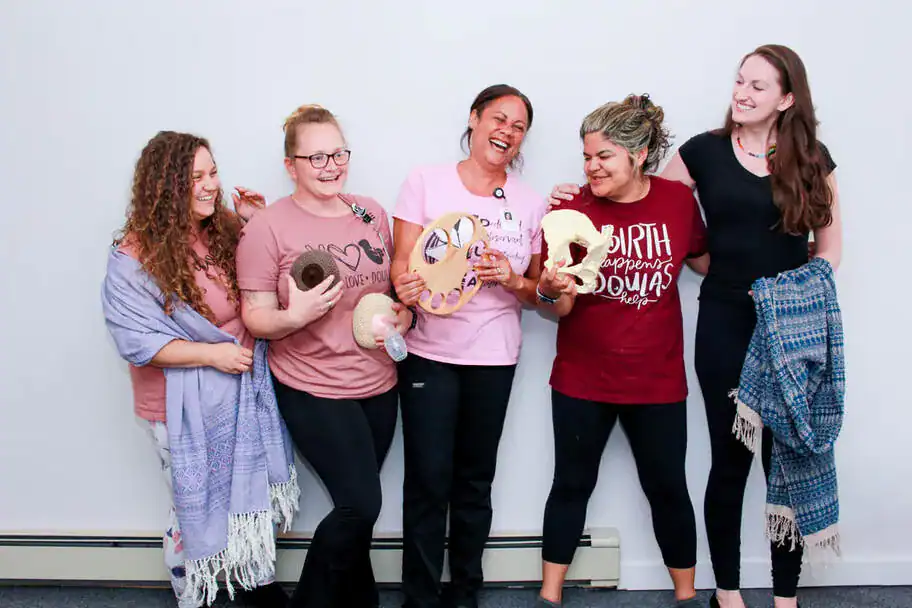
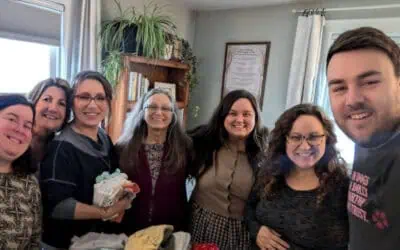
The Holistic Birth & Beyond team laughing together

We're here to help

Get in touch with Holistic Birth & Beyond today and discover how we can support you and your family as you grow.

  • 660 Mast Road, Manchester, NH 03102
  • 603.851.1595
  • hello@holisticbirthandbeyond.com

Want to stay in the loop?

By submitting your email, you agree to receive promotional emails from Holistic Birth & Beyond. You can unsubscribe at any time.

About
Holistic Birth & Beyond - Logo
Doula changing a newborn on the bed as the mother and toddler look on

Visit the Families Hub

Explore trusted support, education, and services for every stage of your family’s journey.

Start Here

Birth Doula Services

Personalized support for the birth experience you envision.

Virtual Birth Doula Services

Compassionate guidance and preparation from the comfort of home.

Postpartum Doula Services

Practical and emotional support as you recover, bond, and find your rhythm.

Placenta Encapsulation +

Thoughtful processing services to support you through the fourth trimester

Explore All Services

We're here to help

Get in touch with Holistic Birth & Beyond today and discover how we can support you and your family as you grow.

Get the Freebie Bundle

Explore Family Resources

The HBB Podcast

Find Your Group

Birth & Parenting Classes

For Families
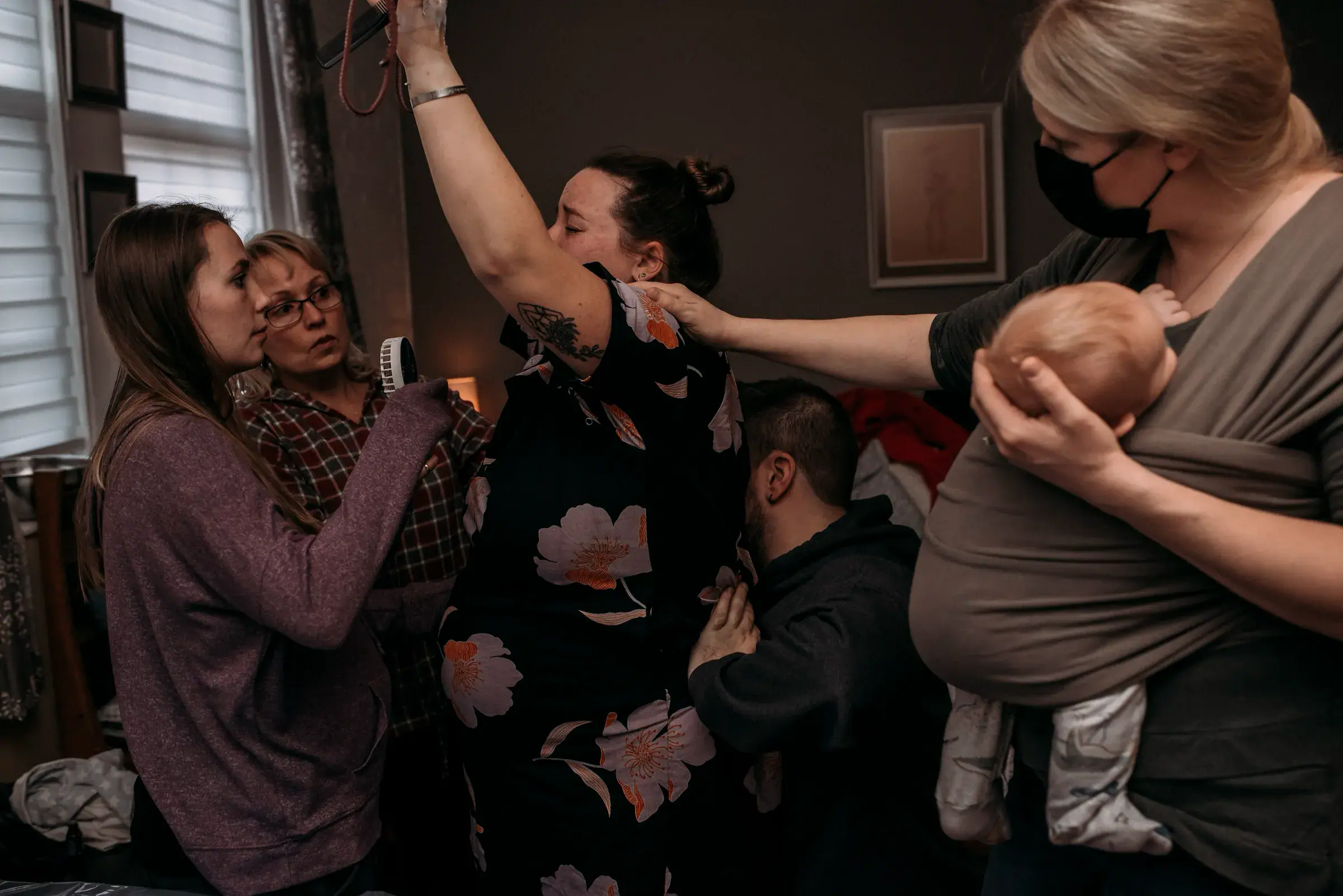
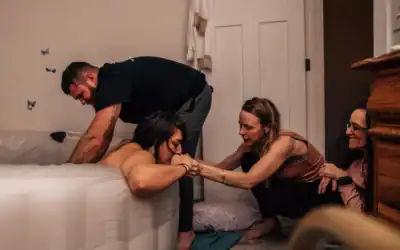
Doulas and family gathered around a mother at a home birth

For Birthworkers

Resources, connections, and professional development for doulas and birth professionals.

Start Here

Careers at HBB

Apply to Join Us

Book a Networking Call

Professional Development

Resources for Professionals

A Day in the Life of a Doula

Podcast

Placenta Services SOP Manual

Online Course

Upcoming Labor Doula Trainings

Blog

Get Updates for Birthworkers

By submitting your email, you agree to receive promotional emails from us. You can unsubscribe at any time.

For Healthcare Providers

Download our referral guide, explore networking opportunities, and learn more about HBB.

Questions?

Get in touch to discover how we can support you and your clients.

For Professionals
Holistic Birth & Beyond - Logo
M
For Families
  • =
    Start Here: Families Hub

Birth Doula Support

Postpartum Doula Support

Virtual Doula Support

Placenta Encapsulation

  • 5
    Explore All Services
Learn
  • =
    HBB Academy

(Free) Calm Start Toolkit

Podcast

Blog

Free Downloads

  • =
    Online Courses

Featured Class: Lactation 101

Learning Portal Login

  • =
    In-Person Classes

Featured Class: Holistic Preparation for Birth

Schedule & Booking

Connect
  • =
    Support Groups for Families

Pregnancy Support Group

Postpartum Support Group

Dads & Partners Support Group

Play Group

  • =
    Schedule & Booking
About
For Professionals

Providing doula and family services to New England and Beyond since 2017.

We are committed to inclusion, equity and accessibility, and welcome and affirm families of every identity, background and structure.

  • 660 Mast Road, Manchester, NH 03102
  • 603.851.1595
  • hello@holisticbirthandbeyond.com
Holistic Birth & Beyond - Logo
a

Beliefs Around Birth: How Our Stories Shape Our Experiences

Birth is messy, sacred, scary, beautiful and everything in between. Here's how to explore your own beliefs about birth, quiet the opinions of others and trust the power you've had all along.

Ep. #14

5 min. read

Transcript

0:17
Welcome back to the Holistic Birth Podcast, this is episode 14. And today we’re going to be talking in a little bit more of a conversational style rather than kind of like bullet point information. We’re gonna talk more about beliefs around birth and our hope is to help bring some awareness to what these beliefs might be for you, the people around you. Maybe to figure out if you want to change them, if you want to roll with them. And to kind of, I don’t know, just, we’re just going to talk about some things and maybe share some thoughts or feedback or ideas about about where they came from, what you can do with them.

1:20
Yeah, absolutely. Yeah. So it’s kind of a little bit of a rabbit hole. But we’ll try to keep it not so much of the darkest rabbit hole. So yeah, so our beliefs around birth really kind of start when we’re young, we’ve kind of talked about this in like other episodes, too. But it’d be also with like, stories, we’re told movies, we’ve seen shows we’ve watched, that can be also, you know, people in our lives, whether it’s our partners, family members, you know, that sort of thing. So all that kind of plays a role into how we are feeling about birth, how we see it, whether or not we think it’s like a scary thing, or a beautiful thing. You know, it just all depends on on that.

1:59
And it’s always great to just kind of first start with asking yourself, what what do I believe about birth? If we would ask you birth is blank, fill in the blank, please? How would you fill in the blank? Yeah, we asked this actually, at our birth class that we have here and everyone writes it on a little sticky note, a little piece of paper, and they’ve put it in a little, little bin. And then our educator will like read out these things to help like, normalize, you’re not alone. Like you can share these things out loud. Yeah, if you feel nervous, or whatever about them. But it’s a good way to anonymously share how you feel. But yeah, birth is what birth is messy, primal, sacred, scary, beautiful, painful, pain free. There’s a lot of potentials out there there is. And some people feel that you really can rely on the medical system. Some people feel that you cannot rely on the medical system. People feel that birth is like a time of community and some people very much would prefer to isolate or don’t talk about birth much. Or their, you know, their plans for it.

3:06
Yeah. Also, you know, comes down — we talked about this in one of our other other episodes about cellular memory, I forget what episode that was. We just did it.

We just did. I think we talked about it during the tokophobia episode.

Yes, yes. Yes, that’s right. So and just like surrounding fears around birth. So if you do have fears, like, looking at cellular memory, it might be and you don’t know where those fears are coming from, like, I don’t know why if you’d like because like, my mom had a great birth, and my grandmother did. And you know, everybody was birth at home or they had good hospital experiences, and you’re not really sure where it’s coming from. It can definitely be interesting thing to like, navigate that a little bit more with cellular memory. So I love to offer that to my clients. When they feel like they don’t really know a lot about their birth, or they do and it wasn’t really great.

3:52
Like their own, like the one where they came into the world?

3:55
Yes, exactly. So yeah, sorry, I wasn’t entirely clear about that. So yeah, their birth story. So I have like a whole little, you know, interview like questions that I send to my clients that they can talk to their mom, if they’re able, of course, and just get like all the information from their birth, just to see how their, you know, their mother felt when she was pregnant, like what her whole experience was, and like how she dealt with, you know, the discomfort, that kind of stuff. So, it’s really fun to kind of like dig into that. It can be fun, but also can be hard in some aspects too. A lot of things can come up around that, but it really kind of just gives you some clarity around it. And then you can kind of work through whatever that might be, you know, with a doula therapist or you know, a friend or your partner even like, it’s just really, it’s a nice tool to have to kind of dig into that.

4:48
If you are into journaling, or into talking things out, you could definitely kind of make categories. You know, like first and foremost, what are your own beliefs? And then also what are the beliefs of those around you? Do you feel that there are people who probably would strongly influence or support or kind of provide maybe some nerves where maybe you didn’t have as much. What are those beliefs around you? And how do they play into your own? And I think, yeah, asking yourself where where they came from is obviously great. And it’s kind of helpful to kind of ask, what is society telling me about birth? Yeah, because society and the norm is not always actually the norm. But we kind of just roll into it like it has to be and birth doesn’t always have to be true trade crazy and traumatic. It also doesn’t. It’s may not always feel pain free and orgasmic like some people experience.

5:44
Yeah.

5:45
There’s like a whole range of ways birth can be and sometimes, though, things that we see in TV, even the way that they still show birth classes where you do like the -heehee hoho- breathing. We’ve not done that in decades.

I know, right? Yeah.

5:59
That’s been out of the curriculum for decades. Like that’s not taught anymore. And evidence shows like breathing, how you feel comfortable breathing, deep abdominal diaphragmatic breathing like that is the way to go. And that’s the way people do it naturally. But we’re still under the impression a lot of my clients always are asking, Well, what breathing techniques? Should I learn? Yeah, there’s sure there’s different types of deep breathing or stress relieving ones, or whatever they might be. But even that idea of how you’re supposed to breathe during like, we have a lot of misconceptions and misunderstandings around, like, what can truly happen around birth. The way people talk about it is, it’s kind of confusing, because we don’t know what to believe about what it might actually be, especially if it’s your first birth.

Yeah, yeah. And everybody’s experience is so different. Like some people have, again, like the orgasmic pain free birth, some people really struggle with, you know, the discomfort. So it is really about mindset. And just yeah, really digging deep and finding out what like, truly you think you’re, you know, what do you want your birth to be essentially, right, what do you want? How do you want to feel like, you know, and focusing on that doing visualizations, and, and all that kind of stuff is, is very helpful.

7:11
Because sometimes when there are like we’ve talked about previously fear from like, something that within ourselves, or if it seems like there’s someone in your life, or in your bubble that is maybe showing you their fears, or beliefs about birth, whether they’re positive or negative, it can sway how your decisions might go, because they’re a big part, obviously, is crucial, but it can kind of, yeah, influence decisions. And so asking yourself, like we’ve said, like, what are your actual own beliefs about birth? And how do you want to feel about birth? How can I free myself from this potential negative belief? Or how do I, you know, prepare myself that I have to be a little bit more open minded, if I have only heard about the butterflies and rainbows stories? Like how do you how do you find that happy medium? You know, like, what is, what is it that you need?

7:59
Yeah, absolutely. Yeah. Because I’ve had, you know, a couple of clients that are like, you know, they’re, they want that undisturbed. homebirth. And, you know, they’re all about it. But there’s just this like, little voice in the back of their head that is still like, what if something happens, you know, and not really, again, it’s really kind of boils down to trusting yourself, trusting your intuition. And your intuition is a huge part of it.

8:19
And other people trusting you!

8:20
Yes!

8:21
Other people trusting you, you’re trustworthy! You looking at the full picture of where you’re most comfortable hospital homebirth birth center, what choices you want, do you want the epidural in the parking lot, do you want to go completely unmedicated? Like whatever the decisions are, that you’re making, people need to trust you and that you’re going to make the decisions that are best for you and, and baby and you specifically your body. So if you have someone in your life partner, mother in law, sister, whoever that is, it’s kind of like maybe their thoughts are kind of like, coming into what you’re hoping to do. Like, for example, I’ve had a lot of, I’m sure you have too, homebirth clients where the every time someone is asking where they’re giving birth, or if they happen to come across the information that they’re giving birth at home, there’s always someone who’s like, well, but what about like, Are you sure are that scary? I could never do like, there’s some comments and it’s, it can be hard to feel like people are trusting that you’re also making a decision, hey, I’m low risk. I’m meeting the qualifications essentially, of what maybe my midwife has for their scope of practice that’s, like, whatever might be going on. You do have — there should be trust from like the people in your inner circle. Obviously, there may be people outside of it that aren’t close to you, and you can kind of brush it off like, normally when someone shares an opinion that was unsolicited.

9:42
Yeah (laughter)

9:43
But if it’s someone close to you, and they are expressing beliefs that it feels like it’s interfering with your own flow or your own mental preparedness for birth or your emotional grounding before birth, and it’s okay to kind of like take like a thick like a sword and like chop that away? Like if it’s floating all in your head, just like, put that sword in between and just like, bang it over. So that, you know, that’s not it doesn’t have to be part of you. You don’t have to take that on.

10:11
Exactly, yeah.

10:13
But also, if you do feel that birth is like, if you feel supported by the medical system, some people have had positive experiences with it, some people really trust, then it’s helpful to also open your mind to other ways that that can go. Yeah, some people, I think are assuming that there’s always going to be interventions, there’s always going to be, you know, an epidural, or whatever it is, if you want those things. Okay, great. Yeah. You know, but it’s helpful to know that birth can be so many different things. Yeah, yeah. Birth can be so many different things. Yeah. And you. The most births don’t need interventions. Most births don’t need inductions. Don’t need. We, you could give birth at home. Yeah. But it’s all about the other risk factors and stuff like that. And then, yeah, how confident you feel in your team and the place you’re giving birth, where you feel safest. And making your decisions to line up and backup your, like, the hopes that you have and the beliefs that you have around birth?

11:14
Yeah, definitely. Yeah. Just trusting yourself and trusting your team because they’re there to support you and all that. And yeah, like Allison said, just like, finding those people that are going to trust you. Gosh, it goes such a long way and can really help. Yeah, definitely.

11:31
And I think a lot of times boundaries come into play here. And like, how, how do we separate those beliefs besides the sword? That’s, you know, this theory?

11:40
Yeah, for sure. So yeah, I mean, if someone’s coming up to you, and they’re like, oh, my gosh, let me tell you about my birth story. And like, what I went through, it’s like just putting up that boundary and just saying, Hey, I’m just really not in a space to, you know, listen to that right now. You can tell me after, you know, my birth or something like that. I’m just trying to keep like, positive, you know, stories right now. Yeah, so setting those boundaries, having that with like, anyone in your life, really, you know, is important. I know, a lot of people struggle with boundaries. So really, yeah, putting those boundaries up is going to be really helpful and can just kind of keep your mind clear of whatever might be creeping in, if you have like, other people’s beliefs that are kind of affecting you. Because yeah, just yeah, just like you said, we’ve talked about like getting really clear on what is yours and what is not yours. So like, if you’re, you know, birth is and you think about what it truly is, usually when you answer ask that question to yourself, you’re gonna write things that are not necessarily negative, you might but like, for the most part, you’re going to really those answers are going to come from you not really somebody else. And if they do come up, like, you know, not so positive ones, you can really look at that and think like, okay, is that really for me? Or is that from like, this movie I watched that was terrible. Or this person that told me I had like, this horrible experience.

13:02
And maybe there are some things that don’t feel 100% right, or positive, I guess, when it comes to birth. So really, the the bottom line is to understand your beliefs, how they’re different from other people. And also challenge yourself, to open your mind to what birth can be or what is because if you do feel, kind of in that place of these beliefs feel heavy, they feel negative. Find let’s find some ways to empower yourself and free yourself from it because you have the you deserve to feel free. You’re from it feel free or from where expectations or —

13:44
Yes, absolutely.

13:44
–assumptions could be so whatever you can do to like yeah, educate, prepare, take a class, watch birth videos, hire a doula.

13:51
I was just going to say, hire a doula!

13:52
Hire a doula read the books, listen to podcasts, wink wink (laughter). Just find ways to help you challenge your beliefs and figure out where you want to end up with them. And we’re know, we know you’re gonna do great things with those.

14:08
Yeah, definitely. Yeah. Cuz we are it as a society, it is very hard things, you know, birth has become very medicalized. There’s a lot of like, you know —

14:18
Misinformation.

14:19
Yeah, misinformation, and just like pressure from providers and other people, like, you got to do this test, you got to do this procedure, or this is gonna happen, a lot of like, fear mongering stuff going on. So, yeah, it’s really important to kind of just take a step back from that and just, you know, try to dig a little deeper and give yourself that grace.

14:40
So, and personally, then this might not be for everybody. I’m the type of person that doesn’t think in extremes and I try to make myself not think in extremes.

14:50
I know.

14:51
I know you do. And that’s why (laughter) it’s always interesting conversation because I’m not the type of person that has, I try to tell myself don’t think in extremes or in definites, it’s always going to be like this or it’s never going to be like that. That’s something that my mom constantly was doing for us as kids. If I was like, you’re always interrupting me to my sister, my mom would be like, often or sometimes or a lot recently. She would coach me to try and make it feel less definitive in mind. So yeah, that’s actually been very helpful for me because personally, it does feel freeing to me to know that it doesn’t always have to be X, Y and Z. Hospital birth is not always a negative experience, home birth is not always empowering. Yeah, they both can be empowering. They both can be, you know, challenging sometimes. The people around you, there might be some really great people in your community and their beliefs might really help you feel supported and embraced. And other times it can feel like you have no one to talk to. So it’s, it’s very hard to when you’re thinking of these beliefs and thinking about where you want to be and where you’ve started. It’s good to kind of imagine: what’s that happy medium for you? Because there’s kind of a whole scale, there’s like a big scale of how people feel about birth.

16:07
Yeah.

16:08
And if it helps, I’ll throw it out. I don’t often throw my own beliefs out there. But maybe it helps to get people to start talking about it. And you’re welcome to share yours. Yeah, if you want to. But personally, I feel like birth is a physiological event. And we were made to birth. Yes. And there’s a lot of power that you hold within you to do them. I also have seen a few scenarios in my experience as a doula that really took some good advantages from the interventions that were available to somebody, sometimes interventions are kind of offered more routinely than maybe necessary. But I do feel like there have been times where I’ve had clients where they’ve thought in those extremes of, I can never be safe in hospital, I will never step foot in one, I’m only going to do out-of-hospital or whatever it is. And they then had had to turn it to medical care for a specific factor. So, if there are risk factors going on, or ways that we can know that this is a great tool, should you feel that you’re actually like, needing it, then I do feel like there is I’m, I’m a fence sitter, typically by nature. So for me to be like, there’s good in both environments, there’s good in all the decisions, that is more my, that’s more my approach, but I know that’s not for everybody, so that’s okay. But yeah, you’re welcome to share yours, if that helps our listeners with understanding everyone does have their own different beliefs. Doulas have their own beliefs, there are certain people that are very empowering, some people who are very much into like, following your lead, like everybody is very different. So yeah, go for it.

17:52
Yeah. Yeah, I mean, for me, I definitely agree with like, the physiological event and that, like, you know, we are made to do this, we’ve been doing it for a long time. There wouldn’t be so many people in the world, you know, if there if we weren’t able to do something like this. So with that being said, you know, I’m definitely more on the side of out-of-hospital for myself, personally, I really love supporting clients that have that sort of same alignment in that way. But that being said, like things do happen, and birth can become a medical event, I don’t think in you know, in nature, you said and true nature, it’s really is but it can be so, you know, I think, again, it’s just kind of like, your beliefs, like my own personal beliefs around birth are that I completely 100% trust my clients, like whatever they feel is right for them. And like if they, they truly believe that they can do something will do this, which they can absolutely, then like, you know, I’m there for that, obviously, so. So yeah, I definitely think that it doesn’t have to be a medical thing. Like, we should all be able to birth their babies out-of-the hospital, however, it does happen. So you know, I’m not to talk, I’m not against hospital birth by any means. Some people need to be there. And some people feel comfortable there. And there are some good hospitals for sure, that are getting more aware of, you know, physiological birth and allowing those things to happen. And I’ve certainly heard of home births that I haven’t had one yet, but I have certainly heard of home births that I haven’t gone well either, in the sense that some midwives can be a little bit more into interventions and that kind of thing. So I think it’s really boils down to finding the right team that you want to support you through however you want birth to look like. So if you want to find a midwife that is going to be hands off and let you do your thing, and it’s gonna be this primal ancestral, like, you know, out in your backyard experience, then –

19:55
With the unicorns. (laughter)

19:58
Yeah, absolutely have to have that. Um, yeah.

20:01
Or dolphin-assisted birth. That’s always so interesting.

20:02
Yeah. Oh my gosh, yeah. If anybody hasn’t seen that, yeah, you gotta look that up. It’s pretty interesting for sure. So yeah, if that’s what you want, find those people that are going to support you in that.

20:13
And we talk a lot about interventions. And there’s also there might be providers that fit your criteria or kind of reflect the beliefs that you have. And it feels good to you about how we might intervene or not with different layers of birth. But there’s also the emotional component during birth. Do you believe that you deserve a lot of emotional validation? Do you feel like informed choice is really important to you? And autonomy? Like usually those are bottom lines? For a lot of people?

20:41
Yeah, for sure.

20:41
In the end, when we’re talking about like birth trauma, or anything that someone felt went negatively after the fact. It sometimes boils down to how something made them feel like how did it make you feel it? Maybe because we might have needed or not continuous monitoring, or Pitocin? Or whatever it is? How did it make you feel? Did you feel like you were an active participant in that decision making process and you felt informed? And you made the decision? The best one? You could with all the information and the situation at the time? How people support you with the decision making process also plays into beliefs, I think.

21:16
Yeah, definitely. And, gosh, because another thought has just left my brain.

21:22
I wonder where your thoughts are like, I feel like there’s I am imagining this cloud. That’s like, if it just goes up there and then it’ll rain again and like the thought will come back.

21:31
What happens is I’m like, Oh, my God, what Allison says, is saying is so great. I’m trying to listen to you. But then I have this thought, and I’m like, and then it just goes, I’m leaving now, because I want to pay attention to what Allison is thinking.

21:41
That’s good, you’re being present. I feel like that’s such a good skill though.

21:44
That’s the thing. Like I’m trying to be more present and like, be active listening and stuff like that. So like, I’ll have the start. I’m like, Okay, that’s great. Just keep it there. And then listen to what she’s saying. So, gosh, I wish I could remember what it was, it will come to me.

21:57
And it’ll come to you. Yeah, either now, or you can put it in the show notes. Or we can throw it somewhere. We hope that this gave you a good kind of conversational approach to thinking about or starting to think about if you haven’t already, what your beliefs are, what you hope them to be how you can potentially set boundaries, with other beliefs around you that maybe aren’t feeling good or empowering to you. We hope this can help free you from some societal, like conditioning around birth from some assumptions. And maybe even yeah, like, get uncomfortable and challenge yourself.

22:33
I remember what it was. Sorry. So, yeah, it’s like that. The, like, the influence of what other people are, you know, saying and whatever to you about birth is going to not going to, but it can essentially affect how you give birth. So, definitely like —

22:57
Can you give an example?

22:59
Um so, like, if you have, like, someone close in your family that is like, you know, you have to do this certain thing or whatever, like you have it, if you have it set in your mind that like, you might need that. It’s kind of I don’t want to say it’s, it’s, it’s kind of harsh to say, I guess, but it’s like self-fulfilling prophecy. So if you keep thinking like, Oh, I’m gonna need this, I’m gonna need this, then you might end up needing it. So yeah, does that make sense?

23:23
Yeah.

23:24
Yeah. So just a little thought I had that keeps coming and going, and whatever.

23:29
I think it’s, I think the way I take that is, if some, if your hope is to go unmedicated, and maybe you’re open to medication, to support with pain relief, that’s most of my clients. They’re hoping to go unmedicated, but they’re, they’re like, if I need it, I’ll make the decision in that moment. If three people in your life have said, Oh, get the epidural, you’re going to need it, you’re going to need it you’re going to get Yeah, in my mind, I can I have clients who I know if they’re thinking and they’re like, but you know, cousin, so and so said that I’m not strong. Basically, I’m not strong enough or right. And you kind of question stuff in your mind about if that belief is then going to become like a truth or a piece of your timeline. So I can see, yeah, I can see where sometimes the beliefs actually can kind of be like a negative self belief, it can kind of tell you like, Oh, am I not going to be strong enough for this? Or am I going Am I weak because I might want to choose the epidural or something true. You’re not You’re very strong. Yeah. It’s a hard decision. And also when you’ve run a marathon, and you are, you know, exhausted, sometimes there are really well timed, epidurals that I think are fantastically positioned in your birth experience. But yeah, sure. That’s good to think of is how other people’s beliefs not only affect your beliefs, but are they like this little voice in your head? That’s kind of like saying stuff.

24:48
Yeah, absolutely. Yeah. The other thought I had too is like, just like searching, not searching outside of yourself, but like trusting in kind of everyone around you like yes, it’s important to trust the people that are in your, in your birth team, to provide you with information and all those kinds of things. But I really, truly believe that ultimately you have the answers within you. So just like getting really in touch with your intuition and not searching outside of yourself so much, whether that be through your doula or your midwife or your provider, your partner, your mom, your sister, whatever, Google, Google, Dr. Google. So just Yeah, I mean, we talked about this in like our informed choice, or I think it was that when we talked about those six steps of healing, just like taking that step back. And just like really getting in touch with yourself, and not try to trying to look externally so much and like, relying on the outside or the medical system or the midwife or again, because like, you know, whether you’re in a hospital or out of a hospital, there can be people that influence your decisions and how you’re feeling about birth. And in general, if they’re constantly telling you like, you need to do this comfort measure, or else you’re not going to get through your labor, you need to do a certain thing or whatever, you can get that idea in your head. So yeah, just like, you know, take a step back, don’t search outside of yourself too much. You know, definitely getting resources, asking, you know, for information is super important. But also, the person that knows you the best is you and you know your body. And you know your mind, like just tuning into that. So drive that home.

26:30
So like our goal always, we want you to feel empowered. Yeah, I want you to have found that power within you.

26:35
Yeah. And you have it Oh, my gosh, you have it.

26:37
You do. And whatever the beliefs are, whether they’re about an emotional component, or an intervention component, or just how you’ll feel about birth, like, excited or nervous, or whatever it is, you know, and birth can be a mixture of all those things. It doesn’t have to be this one overarching theme, you know, so definitely give yourself the freedom to explore these beliefs. So yeah, the bottom line is to make help you feel empowered, we just want you to feel empowered. That’s our goal. Always. Right.

27:06
Yeah. That’s what we’re here for.

27:07
You have the power, you know, within you. Makes you think of that Wizard of Oz, you’ve had the power all along, my dear. My mom, one of my mom’s favorites – talking about her a lot in this episode. Hi, mom. She, yeah, that’s a good quote, “you had the power all along,” but it’s true. So be your own Glinda. Tell yourself, you have the power. And we hope that this helps you to kind of start thinking about your beliefs around birth, separating what what’s yours, what somebody else’s is, thinking about how boundaries might play in or not for you. And then don’t be afraid to challenge yourself and kind of figure out where you want to go. And, you know, don’t be afraid to stir the pot in your in your own in your own being for like, you know, things you want to challenge or try to improve for you to feel like you’re at a new place that you want to be.

27:55
Yeah, and don’t worry about like other people and conversations with them. Like, just focus on yourself, you know, because people are gonna have their opinions and say what they want to say, but you just you do you.

28:07
You do you. Well, thank you very much for listening.

28:10
Yeah. Thanks for listening, watching. And yeah, we’ll catch you next time. Sounds good. Bye.

28:16
Bye.

Show Notes

Today we talk about common beliefs around birth, where they come from and how they affect birth. We talk about our own beliefs as doulas and the ways we work with our clients in their beliefs around birth.

Join as we discuss:

  • What influences your beliefs
  • Our cells remember birth
  • Setting boundaries
  • Our beliefs around birth as doulas

Watch

Listen

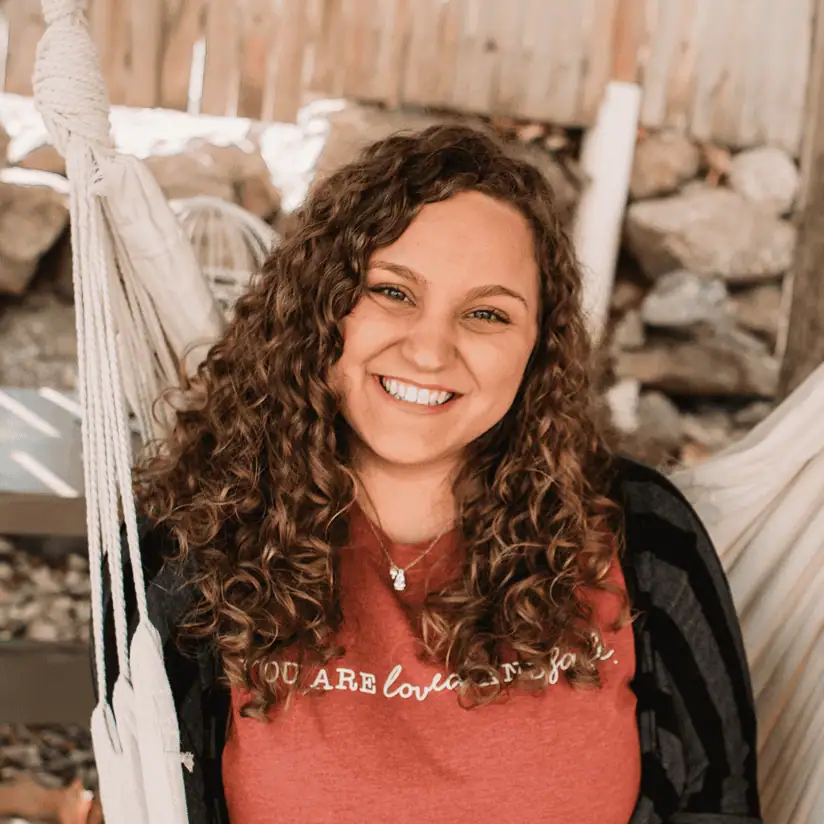
Allison Morgan, founder of Holistic Birth & Beyond

Meet Allison

Founder and owner of Holistic Birth & Beyond, Allison Morgan began her journey into birth work in 2017.

Allison lives in NH with her husband and young daughter. When not doing birth work, you can find her spending time with her family, gardening and watercolor painting.

Want to stay in the loop?

Latest Articles

Professional Resources

Upcoming Labor Doula Trainings

Postpartum Life

Benefits of Placenta Products

Doula and Birth Care

A Doula’s (First-Time) Birth Story: Home Birth to Cesarean

Visit our resource hub

HBB Academy

From free support groups to informative podcasts, find the answers, inspiration and community you need, all in one easy place.

Pregnant woman petting her cat beside her partner on a laptop

Search HBB Academy

Resource Topics

For New Parents

Pregnancy and Birth Prep

Postpartum Life

For Returning Families

Doula and Birth Care

Birth Partners

Mindset and Wellness

Labor Education

Placenta

For Professionals

Transcript

0:17
Welcome back to the Holistic Birth Podcast, this is episode 14. And today we’re going to be talking in a little bit more of a conversational style rather than kind of like bullet point information. We’re gonna talk more about beliefs around birth and our hope is to help bring some awareness to what these beliefs might be for you, the people around you. Maybe to figure out if you want to change them, if you want to roll with them. And to kind of, I don’t know, just, we’re just going to talk about some things and maybe share some thoughts or feedback or ideas about about where they came from, what you can do with them.

1:20
Yeah, absolutely. Yeah. So it’s kind of a little bit of a rabbit hole. But we’ll try to keep it not so much of the darkest rabbit hole. So yeah, so our beliefs around birth really kind of start when we’re young, we’ve kind of talked about this in like other episodes, too. But it’d be also with like, stories, we’re told movies, we’ve seen shows we’ve watched, that can be also, you know, people in our lives, whether it’s our partners, family members, you know, that sort of thing. So all that kind of plays a role into how we are feeling about birth, how we see it, whether or not we think it’s like a scary thing, or a beautiful thing. You know, it just all depends on on that.

1:59
And it’s always great to just kind of first start with asking yourself, what what do I believe about birth? If we would ask you birth is blank, fill in the blank, please? How would you fill in the blank? Yeah, we asked this actually, at our birth class that we have here and everyone writes it on a little sticky note, a little piece of paper, and they’ve put it in a little, little bin. And then our educator will like read out these things to help like, normalize, you’re not alone. Like you can share these things out loud. Yeah, if you feel nervous, or whatever about them. But it’s a good way to anonymously share how you feel. But yeah, birth is what birth is messy, primal, sacred, scary, beautiful, painful, pain free. There’s a lot of potentials out there there is. And some people feel that you really can rely on the medical system. Some people feel that you cannot rely on the medical system. People feel that birth is like a time of community and some people very much would prefer to isolate or don’t talk about birth much. Or their, you know, their plans for it.

3:06
Yeah. Also, you know, comes down — we talked about this in one of our other other episodes about cellular memory, I forget what episode that was. We just did it.

We just did. I think we talked about it during the tokophobia episode.

Yes, yes. Yes, that’s right. So and just like surrounding fears around birth. So if you do have fears, like, looking at cellular memory, it might be and you don’t know where those fears are coming from, like, I don’t know why if you’d like because like, my mom had a great birth, and my grandmother did. And you know, everybody was birth at home or they had good hospital experiences, and you’re not really sure where it’s coming from. It can definitely be interesting thing to like, navigate that a little bit more with cellular memory. So I love to offer that to my clients. When they feel like they don’t really know a lot about their birth, or they do and it wasn’t really great.

3:52
Like their own, like the one where they came into the world?

3:55
Yes, exactly. So yeah, sorry, I wasn’t entirely clear about that. So yeah, their birth story. So I have like a whole little, you know, interview like questions that I send to my clients that they can talk to their mom, if they’re able, of course, and just get like all the information from their birth, just to see how their, you know, their mother felt when she was pregnant, like what her whole experience was, and like how she dealt with, you know, the discomfort, that kind of stuff. So, it’s really fun to kind of like dig into that. It can be fun, but also can be hard in some aspects too. A lot of things can come up around that, but it really kind of just gives you some clarity around it. And then you can kind of work through whatever that might be, you know, with a doula therapist or you know, a friend or your partner even like, it’s just really, it’s a nice tool to have to kind of dig into that.

4:48
If you are into journaling, or into talking things out, you could definitely kind of make categories. You know, like first and foremost, what are your own beliefs? And then also what are the beliefs of those around you? Do you feel that there are people who probably would strongly influence or support or kind of provide maybe some nerves where maybe you didn’t have as much. What are those beliefs around you? And how do they play into your own? And I think, yeah, asking yourself where where they came from is obviously great. And it’s kind of helpful to kind of ask, what is society telling me about birth? Yeah, because society and the norm is not always actually the norm. But we kind of just roll into it like it has to be and birth doesn’t always have to be true trade crazy and traumatic. It also doesn’t. It’s may not always feel pain free and orgasmic like some people experience.

5:44
Yeah.

5:45
There’s like a whole range of ways birth can be and sometimes, though, things that we see in TV, even the way that they still show birth classes where you do like the -heehee hoho- breathing. We’ve not done that in decades.

I know, right? Yeah.

5:59
That’s been out of the curriculum for decades. Like that’s not taught anymore. And evidence shows like breathing, how you feel comfortable breathing, deep abdominal diaphragmatic breathing like that is the way to go. And that’s the way people do it naturally. But we’re still under the impression a lot of my clients always are asking, Well, what breathing techniques? Should I learn? Yeah, there’s sure there’s different types of deep breathing or stress relieving ones, or whatever they might be. But even that idea of how you’re supposed to breathe during like, we have a lot of misconceptions and misunderstandings around, like, what can truly happen around birth. The way people talk about it is, it’s kind of confusing, because we don’t know what to believe about what it might actually be, especially if it’s your first birth.

Yeah, yeah. And everybody’s experience is so different. Like some people have, again, like the orgasmic pain free birth, some people really struggle with, you know, the discomfort. So it is really about mindset. And just yeah, really digging deep and finding out what like, truly you think you’re, you know, what do you want your birth to be essentially, right, what do you want? How do you want to feel like, you know, and focusing on that doing visualizations, and, and all that kind of stuff is, is very helpful.

7:11
Because sometimes when there are like we’ve talked about previously fear from like, something that within ourselves, or if it seems like there’s someone in your life, or in your bubble that is maybe showing you their fears, or beliefs about birth, whether they’re positive or negative, it can sway how your decisions might go, because they’re a big part, obviously, is crucial, but it can kind of, yeah, influence decisions. And so asking yourself, like we’ve said, like, what are your actual own beliefs about birth? And how do you want to feel about birth? How can I free myself from this potential negative belief? Or how do I, you know, prepare myself that I have to be a little bit more open minded, if I have only heard about the butterflies and rainbows stories? Like how do you how do you find that happy medium? You know, like, what is, what is it that you need?

7:59
Yeah, absolutely. Yeah. Because I’ve had, you know, a couple of clients that are like, you know, they’re, they want that undisturbed. homebirth. And, you know, they’re all about it. But there’s just this like, little voice in the back of their head that is still like, what if something happens, you know, and not really, again, it’s really kind of boils down to trusting yourself, trusting your intuition. And your intuition is a huge part of it.

8:19
And other people trusting you!

8:20
Yes!

8:21
Other people trusting you, you’re trustworthy! You looking at the full picture of where you’re most comfortable hospital homebirth birth center, what choices you want, do you want the epidural in the parking lot, do you want to go completely unmedicated? Like whatever the decisions are, that you’re making, people need to trust you and that you’re going to make the decisions that are best for you and, and baby and you specifically your body. So if you have someone in your life partner, mother in law, sister, whoever that is, it’s kind of like maybe their thoughts are kind of like, coming into what you’re hoping to do. Like, for example, I’ve had a lot of, I’m sure you have too, homebirth clients where the every time someone is asking where they’re giving birth, or if they happen to come across the information that they’re giving birth at home, there’s always someone who’s like, well, but what about like, Are you sure are that scary? I could never do like, there’s some comments and it’s, it can be hard to feel like people are trusting that you’re also making a decision, hey, I’m low risk. I’m meeting the qualifications essentially, of what maybe my midwife has for their scope of practice that’s, like, whatever might be going on. You do have — there should be trust from like the people in your inner circle. Obviously, there may be people outside of it that aren’t close to you, and you can kind of brush it off like, normally when someone shares an opinion that was unsolicited.

9:42
Yeah (laughter)

9:43
But if it’s someone close to you, and they are expressing beliefs that it feels like it’s interfering with your own flow or your own mental preparedness for birth or your emotional grounding before birth, and it’s okay to kind of like take like a thick like a sword and like chop that away? Like if it’s floating all in your head, just like, put that sword in between and just like, bang it over. So that, you know, that’s not it doesn’t have to be part of you. You don’t have to take that on.

10:11
Exactly, yeah.

10:13
But also, if you do feel that birth is like, if you feel supported by the medical system, some people have had positive experiences with it, some people really trust, then it’s helpful to also open your mind to other ways that that can go. Yeah, some people, I think are assuming that there’s always going to be interventions, there’s always going to be, you know, an epidural, or whatever it is, if you want those things. Okay, great. Yeah. You know, but it’s helpful to know that birth can be so many different things. Yeah, yeah. Birth can be so many different things. Yeah. And you. The most births don’t need interventions. Most births don’t need inductions. Don’t need. We, you could give birth at home. Yeah. But it’s all about the other risk factors and stuff like that. And then, yeah, how confident you feel in your team and the place you’re giving birth, where you feel safest. And making your decisions to line up and backup your, like, the hopes that you have and the beliefs that you have around birth?

11:14
Yeah, definitely. Yeah. Just trusting yourself and trusting your team because they’re there to support you and all that. And yeah, like Allison said, just like, finding those people that are going to trust you. Gosh, it goes such a long way and can really help. Yeah, definitely.

11:31
And I think a lot of times boundaries come into play here. And like, how, how do we separate those beliefs besides the sword? That’s, you know, this theory?

11:40
Yeah, for sure. So yeah, I mean, if someone’s coming up to you, and they’re like, oh, my gosh, let me tell you about my birth story. And like, what I went through, it’s like just putting up that boundary and just saying, Hey, I’m just really not in a space to, you know, listen to that right now. You can tell me after, you know, my birth or something like that. I’m just trying to keep like, positive, you know, stories right now. Yeah, so setting those boundaries, having that with like, anyone in your life, really, you know, is important. I know, a lot of people struggle with boundaries. So really, yeah, putting those boundaries up is going to be really helpful and can just kind of keep your mind clear of whatever might be creeping in, if you have like, other people’s beliefs that are kind of affecting you. Because yeah, just yeah, just like you said, we’ve talked about like getting really clear on what is yours and what is not yours. So like, if you’re, you know, birth is and you think about what it truly is, usually when you answer ask that question to yourself, you’re gonna write things that are not necessarily negative, you might but like, for the most part, you’re going to really those answers are going to come from you not really somebody else. And if they do come up, like, you know, not so positive ones, you can really look at that and think like, okay, is that really for me? Or is that from like, this movie I watched that was terrible. Or this person that told me I had like, this horrible experience.

13:02
And maybe there are some things that don’t feel 100% right, or positive, I guess, when it comes to birth. So really, the the bottom line is to understand your beliefs, how they’re different from other people. And also challenge yourself, to open your mind to what birth can be or what is because if you do feel, kind of in that place of these beliefs feel heavy, they feel negative. Find let’s find some ways to empower yourself and free yourself from it because you have the you deserve to feel free. You’re from it feel free or from where expectations or —

13:44
Yes, absolutely.

13:44
–assumptions could be so whatever you can do to like yeah, educate, prepare, take a class, watch birth videos, hire a doula.

13:51
I was just going to say, hire a doula!

13:52
Hire a doula read the books, listen to podcasts, wink wink (laughter). Just find ways to help you challenge your beliefs and figure out where you want to end up with them. And we’re know, we know you’re gonna do great things with those.

14:08
Yeah, definitely. Yeah. Cuz we are it as a society, it is very hard things, you know, birth has become very medicalized. There’s a lot of like, you know —

14:18
Misinformation.

14:19
Yeah, misinformation, and just like pressure from providers and other people, like, you got to do this test, you got to do this procedure, or this is gonna happen, a lot of like, fear mongering stuff going on. So, yeah, it’s really important to kind of just take a step back from that and just, you know, try to dig a little deeper and give yourself that grace.

14:40
So, and personally, then this might not be for everybody. I’m the type of person that doesn’t think in extremes and I try to make myself not think in extremes.

14:50
I know.

14:51
I know you do. And that’s why (laughter) it’s always interesting conversation because I’m not the type of person that has, I try to tell myself don’t think in extremes or in definites, it’s always going to be like this or it’s never going to be like that. That’s something that my mom constantly was doing for us as kids. If I was like, you’re always interrupting me to my sister, my mom would be like, often or sometimes or a lot recently. She would coach me to try and make it feel less definitive in mind. So yeah, that’s actually been very helpful for me because personally, it does feel freeing to me to know that it doesn’t always have to be X, Y and Z. Hospital birth is not always a negative experience, home birth is not always empowering. Yeah, they both can be empowering. They both can be, you know, challenging sometimes. The people around you, there might be some really great people in your community and their beliefs might really help you feel supported and embraced. And other times it can feel like you have no one to talk to. So it’s, it’s very hard to when you’re thinking of these beliefs and thinking about where you want to be and where you’ve started. It’s good to kind of imagine: what’s that happy medium for you? Because there’s kind of a whole scale, there’s like a big scale of how people feel about birth.

16:07
Yeah.

16:08
And if it helps, I’ll throw it out. I don’t often throw my own beliefs out there. But maybe it helps to get people to start talking about it. And you’re welcome to share yours. Yeah, if you want to. But personally, I feel like birth is a physiological event. And we were made to birth. Yes. And there’s a lot of power that you hold within you to do them. I also have seen a few scenarios in my experience as a doula that really took some good advantages from the interventions that were available to somebody, sometimes interventions are kind of offered more routinely than maybe necessary. But I do feel like there have been times where I’ve had clients where they’ve thought in those extremes of, I can never be safe in hospital, I will never step foot in one, I’m only going to do out-of-hospital or whatever it is. And they then had had to turn it to medical care for a specific factor. So, if there are risk factors going on, or ways that we can know that this is a great tool, should you feel that you’re actually like, needing it, then I do feel like there is I’m, I’m a fence sitter, typically by nature. So for me to be like, there’s good in both environments, there’s good in all the decisions, that is more my, that’s more my approach, but I know that’s not for everybody, so that’s okay. But yeah, you’re welcome to share yours, if that helps our listeners with understanding everyone does have their own different beliefs. Doulas have their own beliefs, there are certain people that are very empowering, some people who are very much into like, following your lead, like everybody is very different. So yeah, go for it.

17:52
Yeah. Yeah, I mean, for me, I definitely agree with like, the physiological event and that, like, you know, we are made to do this, we’ve been doing it for a long time. There wouldn’t be so many people in the world, you know, if there if we weren’t able to do something like this. So with that being said, you know, I’m definitely more on the side of out-of-hospital for myself, personally, I really love supporting clients that have that sort of same alignment in that way. But that being said, like things do happen, and birth can become a medical event, I don’t think in you know, in nature, you said and true nature, it’s really is but it can be so, you know, I think, again, it’s just kind of like, your beliefs, like my own personal beliefs around birth are that I completely 100% trust my clients, like whatever they feel is right for them. And like if they, they truly believe that they can do something will do this, which they can absolutely, then like, you know, I’m there for that, obviously, so. So yeah, I definitely think that it doesn’t have to be a medical thing. Like, we should all be able to birth their babies out-of-the hospital, however, it does happen. So you know, I’m not to talk, I’m not against hospital birth by any means. Some people need to be there. And some people feel comfortable there. And there are some good hospitals for sure, that are getting more aware of, you know, physiological birth and allowing those things to happen. And I’ve certainly heard of home births that I haven’t had one yet, but I have certainly heard of home births that I haven’t gone well either, in the sense that some midwives can be a little bit more into interventions and that kind of thing. So I think it’s really boils down to finding the right team that you want to support you through however you want birth to look like. So if you want to find a midwife that is going to be hands off and let you do your thing, and it’s gonna be this primal ancestral, like, you know, out in your backyard experience, then –

19:55
With the unicorns. (laughter)

19:58
Yeah, absolutely have to have that. Um, yeah.

20:01
Or dolphin-assisted birth. That’s always so interesting.

20:02
Yeah. Oh my gosh, yeah. If anybody hasn’t seen that, yeah, you gotta look that up. It’s pretty interesting for sure. So yeah, if that’s what you want, find those people that are going to support you in that.

20:13
And we talk a lot about interventions. And there’s also there might be providers that fit your criteria or kind of reflect the beliefs that you have. And it feels good to you about how we might intervene or not with different layers of birth. But there’s also the emotional component during birth. Do you believe that you deserve a lot of emotional validation? Do you feel like informed choice is really important to you? And autonomy? Like usually those are bottom lines? For a lot of people?

20:41
Yeah, for sure.

20:41
In the end, when we’re talking about like birth trauma, or anything that someone felt went negatively after the fact. It sometimes boils down to how something made them feel like how did it make you feel it? Maybe because we might have needed or not continuous monitoring, or Pitocin? Or whatever it is? How did it make you feel? Did you feel like you were an active participant in that decision making process and you felt informed? And you made the decision? The best one? You could with all the information and the situation at the time? How people support you with the decision making process also plays into beliefs, I think.

21:16
Yeah, definitely. And, gosh, because another thought has just left my brain.

21:22
I wonder where your thoughts are like, I feel like there’s I am imagining this cloud. That’s like, if it just goes up there and then it’ll rain again and like the thought will come back.

21:31
What happens is I’m like, Oh, my God, what Allison says, is saying is so great. I’m trying to listen to you. But then I have this thought, and I’m like, and then it just goes, I’m leaving now, because I want to pay attention to what Allison is thinking.

21:41
That’s good, you’re being present. I feel like that’s such a good skill though.

21:44
That’s the thing. Like I’m trying to be more present and like, be active listening and stuff like that. So like, I’ll have the start. I’m like, Okay, that’s great. Just keep it there. And then listen to what she’s saying. So, gosh, I wish I could remember what it was, it will come to me.

21:57
And it’ll come to you. Yeah, either now, or you can put it in the show notes. Or we can throw it somewhere. We hope that this gave you a good kind of conversational approach to thinking about or starting to think about if you haven’t already, what your beliefs are, what you hope them to be how you can potentially set boundaries, with other beliefs around you that maybe aren’t feeling good or empowering to you. We hope this can help free you from some societal, like conditioning around birth from some assumptions. And maybe even yeah, like, get uncomfortable and challenge yourself.

22:33
I remember what it was. Sorry. So, yeah, it’s like that. The, like, the influence of what other people are, you know, saying and whatever to you about birth is going to not going to, but it can essentially affect how you give birth. So, definitely like —

22:57
Can you give an example?

22:59
Um so, like, if you have, like, someone close in your family that is like, you know, you have to do this certain thing or whatever, like you have it, if you have it set in your mind that like, you might need that. It’s kind of I don’t want to say it’s, it’s, it’s kind of harsh to say, I guess, but it’s like self-fulfilling prophecy. So if you keep thinking like, Oh, I’m gonna need this, I’m gonna need this, then you might end up needing it. So yeah, does that make sense?

23:23
Yeah.

23:24
Yeah. So just a little thought I had that keeps coming and going, and whatever.

23:29
I think it’s, I think the way I take that is, if some, if your hope is to go unmedicated, and maybe you’re open to medication, to support with pain relief, that’s most of my clients. They’re hoping to go unmedicated, but they’re, they’re like, if I need it, I’ll make the decision in that moment. If three people in your life have said, Oh, get the epidural, you’re going to need it, you’re going to need it you’re going to get Yeah, in my mind, I can I have clients who I know if they’re thinking and they’re like, but you know, cousin, so and so said that I’m not strong. Basically, I’m not strong enough or right. And you kind of question stuff in your mind about if that belief is then going to become like a truth or a piece of your timeline. So I can see, yeah, I can see where sometimes the beliefs actually can kind of be like a negative self belief, it can kind of tell you like, Oh, am I not going to be strong enough for this? Or am I going Am I weak because I might want to choose the epidural or something true. You’re not You’re very strong. Yeah. It’s a hard decision. And also when you’ve run a marathon, and you are, you know, exhausted, sometimes there are really well timed, epidurals that I think are fantastically positioned in your birth experience. But yeah, sure. That’s good to think of is how other people’s beliefs not only affect your beliefs, but are they like this little voice in your head? That’s kind of like saying stuff.

24:48
Yeah, absolutely. Yeah. The other thought I had too is like, just like searching, not searching outside of yourself, but like trusting in kind of everyone around you like yes, it’s important to trust the people that are in your, in your birth team, to provide you with information and all those kinds of things. But I really, truly believe that ultimately you have the answers within you. So just like getting really in touch with your intuition and not searching outside of yourself so much, whether that be through your doula or your midwife or your provider, your partner, your mom, your sister, whatever, Google, Google, Dr. Google. So just Yeah, I mean, we talked about this in like our informed choice, or I think it was that when we talked about those six steps of healing, just like taking that step back. And just like really getting in touch with yourself, and not try to trying to look externally so much and like, relying on the outside or the medical system or the midwife or again, because like, you know, whether you’re in a hospital or out of a hospital, there can be people that influence your decisions and how you’re feeling about birth. And in general, if they’re constantly telling you like, you need to do this comfort measure, or else you’re not going to get through your labor, you need to do a certain thing or whatever, you can get that idea in your head. So yeah, just like, you know, take a step back, don’t search outside of yourself too much. You know, definitely getting resources, asking, you know, for information is super important. But also, the person that knows you the best is you and you know your body. And you know your mind, like just tuning into that. So drive that home.

26:30
So like our goal always, we want you to feel empowered. Yeah, I want you to have found that power within you.

26:35
Yeah. And you have it Oh, my gosh, you have it.

26:37
You do. And whatever the beliefs are, whether they’re about an emotional component, or an intervention component, or just how you’ll feel about birth, like, excited or nervous, or whatever it is, you know, and birth can be a mixture of all those things. It doesn’t have to be this one overarching theme, you know, so definitely give yourself the freedom to explore these beliefs. So yeah, the bottom line is to make help you feel empowered, we just want you to feel empowered. That’s our goal. Always. Right.

27:06
Yeah. That’s what we’re here for.

27:07
You have the power, you know, within you. Makes you think of that Wizard of Oz, you’ve had the power all along, my dear. My mom, one of my mom’s favorites – talking about her a lot in this episode. Hi, mom. She, yeah, that’s a good quote, “you had the power all along,” but it’s true. So be your own Glinda. Tell yourself, you have the power. And we hope that this helps you to kind of start thinking about your beliefs around birth, separating what what’s yours, what somebody else’s is, thinking about how boundaries might play in or not for you. And then don’t be afraid to challenge yourself and kind of figure out where you want to go. And, you know, don’t be afraid to stir the pot in your in your own in your own being for like, you know, things you want to challenge or try to improve for you to feel like you’re at a new place that you want to be.

27:55
Yeah, and don’t worry about like other people and conversations with them. Like, just focus on yourself, you know, because people are gonna have their opinions and say what they want to say, but you just you do you.

28:07
You do you. Well, thank you very much for listening.

28:10
Yeah. Thanks for listening, watching. And yeah, we’ll catch you next time. Sounds good. Bye.

28:16
Bye.

Show Notes

Today we talk about common beliefs around birth, where they come from and how they affect birth. We talk about our own beliefs as doulas and the ways we work with our clients in their beliefs around birth.

Join as we discuss:

  • What influences your beliefs
  • Our cells remember birth
  • Setting boundaries
  • Our beliefs around birth as doulas

Watch

Listen

Every one of us arrives at birth carrying beliefs about what it will be like, what it means, how our bodies will perform and whether we can trust the process. In this more conversational episode, I invite you to explore where your beliefs about birth came from, how the beliefs of the people around you might be shaping them and how to decide which ones you want to keep.

Where Our Birth Beliefs Come From

Our beliefs about birth start forming long before we ever become pregnant. They come from the stories we heard growing up, the movies and TV shows we watched and the people in our lives: partners, parents, friends and family. All of it shapes whether we see birth as something scary, something beautiful or something in between.

Some people also explore the idea of cellular memory, or generational experiences stored in the body. If you have fears around birth but can't trace where they come from, it can be eye-opening to ask your mother (if you're able) about her pregnancy and the day you were born.

Birth Is Blank: Fill in the Blank

In our childbirth classes, we ask everyone to complete the sentence "Birth is ___" anonymously on a slip of paper. Then our educator reads them out loud. The answers range widely: messy, primal, sacred, scary, beautiful, painful and even pain-free. Hearing them shared helps normalize whatever you're feeling. Some people trust the medical system completely; others don't. Some see birth as a time for community; others prefer privacy.

So ask yourself: how would you fill in the blank?

Separating Your Beliefs From Everyone Else's

If journaling or talking things out helps you, try breaking it into a few questions:

  • What do I believe about birth?
  • What do the people closest to me believe, and how does that influence me?
  • Where did my beliefs come from?
  • What is society telling me about birth, and is that actually true?

That last one matters. Society's version of "normal" isn't always accurate. For example, TV still shows birth classes teaching "hee-hee-hoo" breathing, which hasn't been taught in decades. The evidence supports breathing in whatever way feels comfortable, usually deep, diaphragmatic breaths your body does naturally.

When Other People's Opinions Get Loud

The people around you need to trust that you'll make the best decisions for yourself and your baby. But if you're planning a home birth, choosing an epidural or anything in between, there's often someone ready with a comment. Unsolicited opinions from strangers are easier to brush off. When they come from someone close to you, it's okay to picture a sword and cut that belief away from your own. You don't have to take it on.

Boundaries help too. If someone starts sharing a difficult birth story, you can simply say, "I'm not in a space to hear that right now, but I'd love to hear it after my baby is born."

Watch for the Self-Fulfilling Prophecy

Other people's beliefs can quietly become the voice in your own head. If several people keep telling you, "You'll definitely need the epidural," you might start wondering whether you're strong enough to do it any other way. You are strong, whatever you choose. A well-timed epidural can be a wonderful tool; the point is that the decision should be yours, made in the moment, not predetermined by someone else's expectations.

Letting Go of Extremes

Growing up, my mom would gently correct me whenever I spoke in absolutes like "always" or "never." That practice has stayed with me. Hospital birth isn't always negative and home birth isn't always empowering; both can be either. Most births don't require interventions, and interventions can also be exactly the right tool when they're truly needed. I'm a bit of a fence-sitter by nature, and I find there's freedom in believing there's good to be found in every setting and every decision.

It's Also About How You Feel

Beyond the choices themselves, consider your emotional needs. Do you want emotional validation? Is informed choice important to you? What about autonomy? When people look back on a birth that felt difficult, it often comes down to how they were treated: whether they felt informed, respected and like an active participant in their own care.

You've Had the Power All Along

Gathering information and leaning on your birth team matters, but ultimately, the person who knows you best is you. Tune in to your intuition, challenge the beliefs that feel heavy and give yourself the freedom to land wherever feels right. As Glinda reminds Dorothy in The Wizard of Oz, you've had the power all along.

Listen to the full episode for a candid, thought-provoking conversation about birth beliefs: where they come from, how they shape your experience and how to make them your own.

A Gift for Podcast Listeners

Thank you for listening. Take 20% off our Guide to Out of Hospital Birth with code PODCAST20 and feel ready for the birth you’re hoping for.

latest episodes

More learning and inspiration for your birth journey

Free Download

Clear Out the Noise with the Calm Start Toolkit

Your essential guide to preparing for birth with confidence. Includes checklists, comfort measures and conversation starters for your birth team.

Parent cradling a baby's feet in a dim room

ON THE BLOG

What Families Are
Turning to Right Now

The question on your mind is the wisdom we’re sharing.

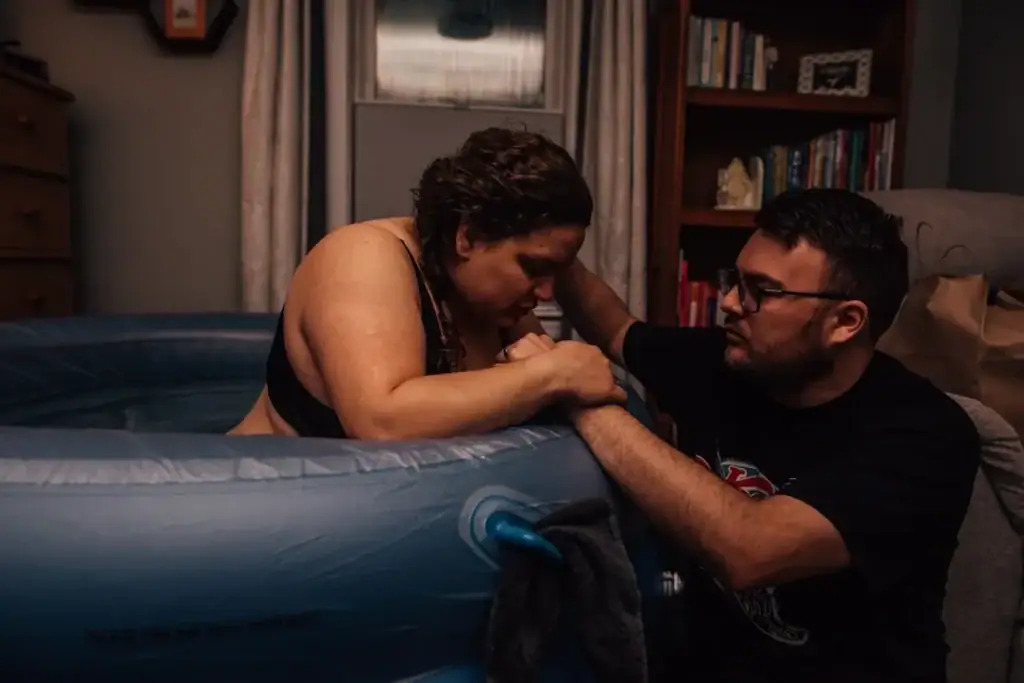
Partner supporting a laboring mother at the edge of a birth pool

Doula and Birth Care

A Doula’s (First-Time) Birth Story: Home Birth to Cesarean

Like so many births, mine unfolded in a way I never expected, and shaped me in the deepest ways imaginable. I’m sharing my birth story […]

  • Keep Reading

How to Choose the Best Breast Pump: A Doula and Lactation Educator’s Guide

Postpartum Life

=

The Golden Hour: Protecting the Sacred First Moments After Birth

Labor Education

=

10 Questions to Ask When Interviewing a Doula

Doula and Birth Care

=

Beyond the Podcast

Explore HBB Academy

Ready to dive deeper? HBB Academy offers self-paced courses and downloadable resources that expand on what you're learning here. From birth prep to newborn care, find the tools that fit your timeline.

want even more support?

These free resources are a great place to start. And if you're looking for personalized, hands-on guidance, we're here for you with our services, classes and group offerings.

Contact us today to book a free consult and learn how we can support your unique journey. 

Birth Doula Support

Birth Doula Support

Continuous, compassionate care before, during and after labor. Our doulas provide evidence-based guidance and steady emotional presence to help you feel confident, supported and seen throughout your birth experience.

Postpartum Doula Support

Postpartum Doula Support

A beautiful transition has happened, and you are finally home with baby. Now what? Postpartum doulas provide endless support and guidance for an easeful shift.

Placenta Encapsulation + More

Placenta Encapsulation + More

Natural, holistic support for postpartum healing. We offer placenta encapsulation, tinctures, keepsakes and more. Designed to support wellbeing and promote steady recovery as you settle into life with your baby.

Education & Community

Education & Community

You deserve steady support as you grow into each new stage of parenthood. We offer evidence-based childbirth and lactation classes, pay-what-you-can support groups and HBB Academy with courses and free resources; all created to help you feel prepared, connected and empowered.

Birth Doula Support

Continuous, compassionate care before, during and after labor. Our doulas provide evidence-based guidance and steady emotional presence to help you feel confident, supported and seen throughout your birth experience.

Postpartum Doula Support

A beautiful transition has happened, and you are finally home with baby. Now what? Postpartum doulas provide endless support and guidance for an easeful shift.

Placenta Encapsulation and More

Natural, holistic support for postpartum healing. We offer placenta encapsulation, tinctures, keepsakes and more. Designed to support wellbeing and promote steady recovery as you settle into life with your baby.

Education & Community

You deserve steady support as you grow into each new stage of parenthood. We offer evidence-based childbirth and lactation classes, pay-what-you-can support groups and HBB Academy with courses and free resources; all created to help you feel prepared, connected and empowered.

Hand-drawn flowering branch

Keep Learning

Everything you need to feel ready, right here.

Our free resources are available instantly in our convenient online academy.

No pressure, no clickbait. Just support that meets you where you are.