Visit our resource hub

HBB Academy

From free support groups to informative podcasts, find the answers, inspiration and community you need – all in one easy place.

Pregnant woman petting her cat beside her partner on a laptop
In-Person Classes
  • =
    Group & Private Classes
  • =
    Holistic Preparation for Birth
  • =
    Lactation 101
  • =
    Newborn Care 101
  • =
    Class Schedule & Booking
Online Courses
  • =
    Explore Courses
  • =
    Conception Guided Meditation
  • =
    Lactation 101
  • =
    Guide to Waterbirth
  • =
    Comfort Techniques for Labor
  • =
    Login & Sign-up
Free Resources
  • =
    Get the Calm Start Toolkit
  • =
    Baby Registry 101
  • =
    ​Preparing for Birth: The Ultimate Checklist
  • =
    Calm Start Toolkit
  • =
    First Trimester Roadmap
  • =
    Explore Our Freebies
Donation-Based Groups
  • =
    See All Support Groups
  • =
    Pregnancy Support Group
  • =

    Postpartum Group
    (3 Locations Offered!)

  • =
    Dads & Partners Group
  • =
    Play Group
  • =
    Schedule & Booking
Blog
Podcast
Pregnant woman in a yellow off-shoulder top cradling her belly outdoors

Featured

Holistic Preparation for Birth

Trusted, clear, evidence-based guidance to help you prepare for labor with confidence.

More Info & Schedule

Learn Online

Contact for Private

What's New & Trending

Top 5 Reasons to Hire a Birth Doula

Blog

Doula and Birth Care

=

The tool to help make any decision: B.R.A.I.N.

Blog

Mindset and Wellness

=

The Golden Hour: Protecting the Sacred First Moments After Birth

Podcast

Labor Education

=
Resources

Get to Know Our Team!

Meet the people, values, and experience behind Holistic Birth & Beyond.

About HBB

The Holistic Birth & Beyond team laughing together

We're here to help

Get in touch with Holistic Birth & Beyond today and discover how we can support you and your family as you grow.

  • 660 Mast Road, Manchester, NH 03102
  • 603.851.1595
  • hello@holisticbirthandbeyond.com

Want to stay in the loop?

By submitting your email, you agree to receive promotional emails from Holistic Birth & Beyond. You can unsubscribe at any time.

About
Holistic Birth & Beyond - Logo
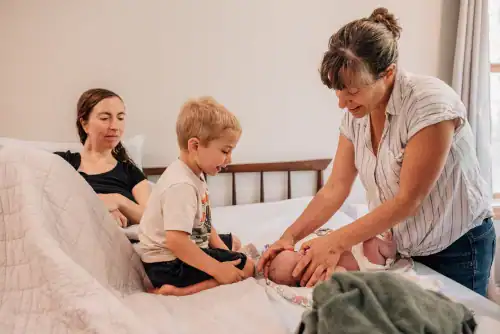
Doula changing a newborn on the bed as the mother and toddler look on

Visit the Families Hub

Explore trusted support, education, and services for every stage of your family’s journey.

Start Here

Birth Doula Services

Personalized support for the birth experience you envision.

Virtual Birth Doula Services

Compassionate guidance and preparation from the comfort of home.

Postpartum Doula Services

Practical and emotional support as you recover, bond, and find your rhythm.

Placenta Encapsulation +

Thoughtful processing services to support you through the fourth trimester

Explore All Services

We're here to help

Get in touch with Holistic Birth & Beyond today and discover how we can support you and your family as you grow.

Get the Freebie Bundle

Explore Family Resources

The HBB Podcast

Find Your Group

Birth & Parenting Classes

For Families
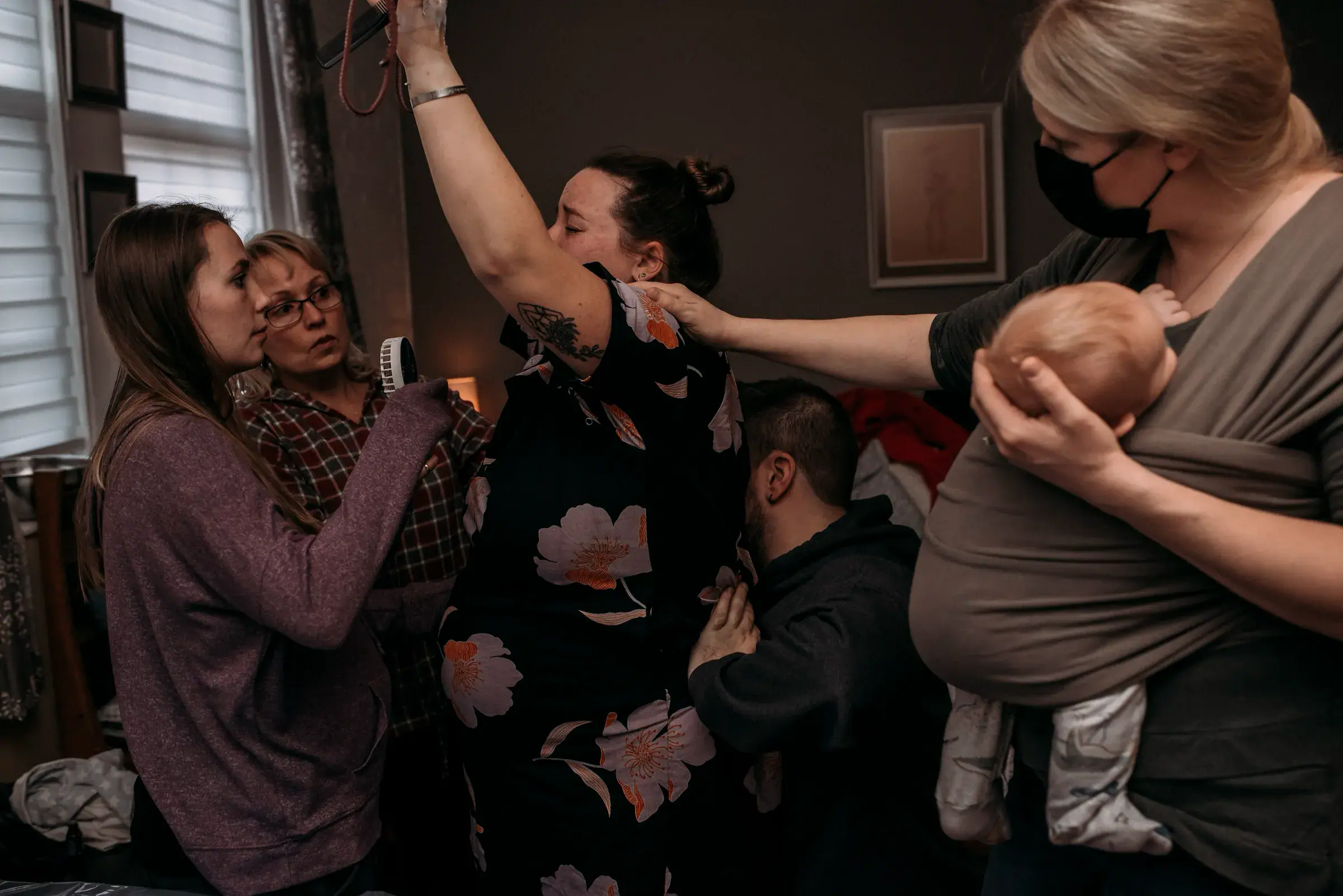
Doulas and family gathered around a mother at a home birth

For Birthworkers

Resources, connections, and professional development for doulas and birth professionals.

Start Here

Careers at HBB

Apply to Join Us

Book a Networking Call

Professional Development

Resources for Professionals

A Day in the Life of a Doula

Podcast

Placenta Services SOP Manual

Online Course

Upcoming Labor Doula Trainings

Blog

Get Updates for Birthworkers

By submitting your email, you agree to receive promotional emails from us. You can unsubscribe at any time.

For Healthcare Providers

Download our referral guide, explore networking opportunities, and learn more about HBB.

Questions?

Get in touch to discover how we can support you and your clients.

For Professionals
Holistic Birth & Beyond - Logo
M
For Families
  • =
    Start Here: Families Hub

Birth Doula Support

Postpartum Doula Support

Virtual Doula Support

Placenta Encapsulation

  • 5
    Explore All Services
Learn
  • =
    HBB Academy

(Free) Calm Start Toolkit

Podcast

Blog

Free Downloads

  • =
    Online Courses

Featured Class: Lactation 101

Learning Portal Login

  • =
    In-Person Classes

Featured Class: Holistic Preparation for Birth

Schedule & Booking

Connect
  • =
    Support Groups for Families

Pregnancy Support Group

Postpartum Support Group

Dads & Partners Support Group

Play Group

  • =
    Schedule & Booking
About
For Professionals

Providing doula and family services to New England and Beyond since 2017.

We are committed to inclusion, equity and accessibility, and welcome and affirm families of every identity, background and structure.

  • 660 Mast Road, Manchester, NH 03102
  • 603.851.1595
  • hello@holisticbirthandbeyond.com
Holistic Birth & Beyond - Logo
a

Improving Fertility Naturally: What You Need to Know About Cycle Tracking, Inflammation and Holistic Care

Your cycle is telling you more than when you ovulate. Naturopathic doctor Cynthia Hall shares how cervical fluid, progesterone, protein and a quality prenatal can support your path to pregnancy.

Ep. #11

5 min. read

Transcript

0:17
Welcome back to the Holistic Birth Podcast. This is season two, Episode 11. So welcome back, everybody. We had the honor of talking to Dr. Cynthia Hall today. Dr. Cynthia Hall is a naturopathic doctor and acupuncturist of Maple Fertility & Wellness in Amherst, New Hampshire. She’s known for her expertise on reproductive health and bringing authenticity patient empowerment and a sense of community to her fertility care. Dr. Hall blends up to date evidence with traditional medicines to optimize overall wellness. Today we talked to her about how someone can increase their fertility naturally, what prenatal vitamins to use and what she recommends with that. And then also, we talked about cycle tracking. And there’s just a wealth of information from Cynthia, we really enjoyed talking to Dr. Hall. So we really hope you enjoy this episode. And let us know if you have any questions.

1:42
Welcome, Dr. Hall. Thank you so much for being here. We’re very, very glad to have you.

1:48 Dr. Hall
Thank you very much for inviting me. I’m very excited to have the next half an hour with the both of you.

1:54
So let’s just we’ll just jump right in. What are the main things that you’d like to help people know as far as some of the building blocks for the conversation around ovulation?

2:04 Dr. Hall
Okay, so ovulation.. we spend a lot of time focusing on that first half of the cycle. Our ovulation kits, our basal body temperature, a lot of them are looking at what is happening within that first 14 days, what’s happening within that sweet spot. We’re making sure that intercourse is happening. But what I think is really important to keep in mind is that they’re not perfect. The ovulation kits are just telling us Okay, is there the signal from our brain to our ovaries, so the LH but it’s not actually telling us what our ovaries are doing with that it’s not actually telling us, Hey, are our ovaries actually responding to that LH peak. And then if we combine inflammation, which I know we talked about briefly before, and so we’ll definitely jump into that later. But when we bring in inflammation, then we’re definitely I definitely can see that our ovaries aren’t responding the way that they want them to. So I think that’s something that I really try to drive home with my patients is talking to them about these ovulation kits and saying, they can be really helpful. They can also be really obsessive, because we become very nervous when we use them. And it can kind of take a lot of the fun out of intercourse. But being mindful that they really don’t share the entire picture. But they can be very helpful to tell us okay, are we even getting the signal from our brain to our ovaries? Because that’s going to be a very different strategy than Hey, we are getting the signal, but then nothing’s happening.

3:30
So what would be like some signs of like, inflammation during ovulation? Is there anything particular that would be showing up with that?

3:39 Dr. Hall
So I think that some of the most common symptoms of inflammation that are easiest to notice are digestive. So are you constipated? Or do you have diarrhea? Do you have gas and bloating? So I view the body as kind of an orchestra. And so we’re looking at let’s say, the flute system, which is our reproductive hormones, we’re saying, okay, like the flute section is doing, not what we want it to. And they have harmonies, and so going all over the place, Oops, didn’t mean to hit that. But that’s really just the tip of the pyramid. But we need to look at the other systems, we need to look at the other parts of the orchestra. And so maybe we move over here. And but actually, it’s the trombone. So maybe it’s the digestive system is doing some weird things. And that’s creating inflammation. Or maybe it’s because we’re eating something that we’re not supposed to be eating doesn’t mean that we necessarily have an allergy to it. But for a lot of us, unfortunately, gluten, and a lot of that, I think is because of our farming practices and just a lot of the other additives in our food. But we a lot of us shouldn’t really be eating gluten because we end up aggravating our immune system and getting that inflammatory response, which then affects the success of ovulation. But then can also affect the success of a hey, we were getting conception so maybe egg is meeting sperm, but maybe it’s not implanting, and maybe that’s because of the inflammation. So it’s a really, I would say complex combination of instruments that all need to be playing in harmony in order to make things really work. And so I think that one of the biggest things that I really tried to drive home with inflammation is that and when ovulation is, let’s really look at what our body is telling us. And so maybe we’re getting that ovulation peak, the ovulation signal from the LH peak. But maybe we’re not getting a lot of cervical discharge, or maybe our cervical discharge is not doing what we want it to maybe we’re not getting that egg white consistency, where we want to have those little race tracks for the sperm to follow to their destination. And so that’s can also be due to inflammation could also be due to not drinking enough water or have numerous other things. But using each different sign the body is giving as a sign of, hey, this is giving us more clues and helping us direct what we’re going to do.

5:56
Are there certain clues that you would kind of keep an eye out for during the first half or the second half of the cycle? Is there anything that tends to help jump out a lot, or maybe there’s a lot and there’s certain things that are that are popular that you see I guess are common,

6:10 Dr. Hall
so I’m so I’ll focus on the second half of the cycle, because I find that’s usually where we don’t spend a lot of time focusing. So I would say that so progesterone is our key hormone in the second part of our cycle. So progesterone, we want to stay high enough so that it maintains the endometrial lining, and then creates a good happy environment for an embryo to implant. So when we get spotting a week before our cycles, or we get really irregular cycles, or we have a lot of acne, especially along the chin and the jawline that show up, we have a lot of maybe possibly hair loss, or a lot of mood changes or sleep changes, that can all be related to a number of things, one of which is iron, but and protein. But a lot of times it’s also connected with progesterone. And so that really gives us a good clue of okay, maybe you are ovulating. But maybe there’s some there’s something going on where progesterone isn’t high enough. And we need to figure out what that is. And unfortunately, that does relate back to inflammation. So again, we’re talking about, are we sleeping enough hours? are we managing the stress that we’ve been experiencing? And again, we can’t get rid of stress? But how do we set ourselves up to have really good tools so that we can manage, we don’t feel like our plate is being completely overflowing every single day. Because that increased level of stress. And that increased timeline of being really stressed. We’re we’re up here all the time. And we never feel like we come down here that creates inflammation. Because it’s our body’s response to thinking that it’s under attack. Right? Yeah. And so I would say for the second half of the cycle is really looking at some of those key symptoms of hey, or do you just feel great, and then all of a sudden your menses comes in and happens and you don’t really have any symptoms, which is the ultimate goal, but isn’t the case for probably 99% of us. But all of that gives really good clues as to the balance of where our hormones are at. And then that also gives really good clues. Okay, if that’s out of balance, let’s dig a little deeper. Let’s keep going down the layers to figure out okay, why aren’t these hormones doing what we want them to? So

8:30
Okay, back to the ovulation so me personally, and I’m sure there’s other people out there, but it’s I found it’s very rare that I’ve come across other people that experience it’s I think it’s called like Mittelschmerz. It’s like a German name for ovulation pain. Oh, yeah. Yeah. So is that like an I actually, you know, deal with like GI symptoms as well like inflammation? You know, that sort of thing around my ovulation and my period. So and then very, very painful ovulation. In fact, it’s more so during my period. So I’m wondering is that could that be a sign of like, inflammation as well? Is that you know, Mittelschmerz or the ovulation pain, whatever it’s called. Yeah.

9:11 Dr. Hall
You know what? I have to be honest with you. I don’t know.

9:14
Yeah, a lot of people don’t like a mystery. Yeah.

9:17 Dr. Hall
So I have a handful of patients that do. They can tell all of a sudden, like, Oh, I think I ovulated. Yeah. Now whether or not that’s a 10 out of 10 pain or whether or not that’s a three out of 10 discomfort. That’s totally debatable, but I will definitely say that it’s all in the same area. Yeah, a lot of it is getting very similar blood supply. And if we, I know we briefly chatted about this earlier, but this idea that women hold a lot of intergenerational experiences and trauma, yeah. Pelvic girdle. Yes. And whether or not it is mental trauma, sexual, physical, spiritual, like medical trauma is huge. So a lot of people are have say you have endometriosis, or if you’ve had to have your appendix out, or if they are doing a lot of different scopes and they’re taking a look at a lot of different things, that is all trauma, and a lot of it is held within our hips, and our and our pelvic girdle, which is exactly where our digestive system is. And what I’ve always found very interesting is that also one of our main hip flexors actually runs directly beside our adrenal glands. And our adrenal glands are what produce our stress hormone cortisol. So if we think of it from an energetic standpoint, that we have so much really, really important hormonal organs that are right there, and glands that are right, they’re all in the same place. And so I So unfortunately, it’s also not a whole lot of research for these things that women go through those with menstrual cycles. There just isn’t a lot of research behind that. But I will say that it wouldn’t surprise me if there are things that you do to change from a digestive standpoint, that will then impact positively. That experience, and it might not bring some 10 to one, right, it would be very shocked if it didn’t at least bring it let’s say from 10 to 10 to six.

11:19
Gotcha. Okay, thank you for that. Yeah. Awesome. Yeah, definitely. Yeah, definitely resonates for me. Yeah. Yeah.

11:28
So you had mentioned before, a little bit about cervical mucus. And I guess, how would you describe assessing someone to assess their own cervical mucus I don’t, maybe some people who are listening don’t, they’re not really familiar with how that relates to fertility, are you able to kind of share a little bit more about that or kind of give, like an overview?

11:50 Dr. Hall
definitely. So cervical mucus, cervical discharge is very normal. And it is our body’s way of cleansing the vaginal canal to make sure that there’s no bacterial overgrowth, it’s also our body’s way of helping to create those race tracks for the sperm to reach the uterus. And it’s also our body’s way of then after ovulation to block the pathway. So more bacteria or more sperm don’t pass through into the uterus. So it’s very, very important. And it gives us a lot of really good clues, because we naturally expect it to change as our hormones change. And so the couple of ways to assess it is one of the most accurate ways to assess it is actually to introduce a cleaned finger into the vaginal canal and sweep the cervix. Realistically, you don’t necessarily need to do that. But that’s going to give a very accurate representation of what’s actually happening. It will also tell you where your cervix is positioned, and your cervix will change position through your cycle, which we can discuss after this. But for those that don’t feel comfortable doing that, the other great way of doing it is it so after a bowel movement, so the same muscles that will push the stool out, are also very right right beside the muscles of the vaginal canal. And so that can also help draw down cervical discharge. And then what you can do is you can just assess it on toilet paper. So it doesn’t have to be as invasive. But the idea is that starting to track it in your own mind of Hey, is it sticky? Is it more wet and stretchy? Is there a lot of it? Is it totally dry? Is it more clumpy? Is there a smell to it? And then that will also help us determine what is the health of the genitourinary systems? What’s the health of the vaginal canal. So for somebody who’s let’s say more prone to yeast infections, well that their cervical discharge is going to be different than somebody else’s, but it gives really good clues of hey, someone’s getting regular yeast infections. Okay, what can we do to that environment to change and so that it doesn’t happen as much or doesn’t happen at all, ideally. And so when it comes to fertility, the goal is that the most fertile cervical mucus is the one that is egg white and stretchy. But at the same time as you actually want sperm in the right spot before it gets there. So usually it becomes that egg white and stretchy about 40. Sorry, I would say 36 to 48 hours beforehand. I mean, it’s very hard to really tell there’s a few studies that I’ve read that usually I mean so let’s say 24 to 48 hours, but what the moment that it becomes stretchy if you already have sperm in the right area, then they see the race tracks and then they follow the race tracks. Great they’re right that’s exactly what I love. It’s real. Under a microscope they consistently see changes from more of a matrix which is meant to block passageway of bacteria, microbes etc. To that straight line. And so it’s actually really it’s when I say racetracks, it’s because it’s actually, you picture a pathway. Yeah. So really focusing on measuring, hey, what’s actually happening? And how is it changing? And do I even so I had a patient a few days ago, that said, I don’t think I have any cervical discharge. And I said, Okay, that’s really interesting. Let’s figure out why.

15:23
Yeah, yeah, I mean, your cycle, and what’s going on with your cervical mucus, and all that can is really like, a key to telling you your general health, you know.

15:33
I don’t think there was, there was never really a class that you took growing up where you learn any of this or anything, there’s not really a lot of information, and you kind of you tend to fall on to the information when you enter the fertility journey. But you really get to, pun intended take matters into your own hands. With kinda like, yeah, getting to know some of these cues that your body is telling you about where your cycle’s at what you might be needing or lacking, or what you might have a lot like, what might be going well, but that’s really, that’s really interesting.

16:08 Dr. Hall
I’ll just leave one more tidbit is two of the main components of cervical discharge are water. So making sure you’re getting 40 ounces of water in a day is super important, adding some salt and electrolytes when it’s this humid outside, but also fatty acids. And so making sure that you’re eating those healthy fats, so those nuts and those seeds are those almonds, cashews, hemp seeds, chia seeds, avocados, cold pressed olive oil, all of that is really, really important, because that is what makes up a big component of our cervical discharge. And therefore, if you’re lacking in both of those, or either one that’s going to impact your body’s ability to produce the amount that you want the quality that you want.

16:52
Yeah, yeah. So actually, yeah, that kind of like leads into the next question about like nutrition, like, how can nutrition play a role in increasing fertility? If you could tell us about that? That’d be awesome.

17:03 Dr. Hall
Okay so I’ll be honest, that’s a tough question to answer, because there’s no, there’s no perfect diet for every Right, yeah. But I will say that what I have found has a running theme with a lot of my patients is, number one, people are not getting enough protein.

17:21
Agreed.

17:24 Dr. Hall
So protein, and I don’t care if you eat meat, or you don’t eat meat, I’ve seen both. We’re just we’re not getting enough protein and so protein is the backbone to a lot of our hormones. And so if we’re not eating enough protein, we are directly impacting our body’s ability to spend time and energy saying, hey, let’s produce these hormones. Remember, our reproductive hormones are really the tip of the iceberg. And so when we see changes in these reproductive hormones, that’s usually a lagging indicator. It’s everything else underneath that has been building up for time, it’s now contributing to that, one of which is protein. So I would say my biggest recommendation is, especially for those that are menstruating is to make sure that you’re getting healthy fats and proteins at every meal. Yeah, that’s also really going to help with managing blood sugar levels. Because unfortunately, when blood sugar is doing this wonderful roller coaster ride through the day, that creates inflammation because it increases insulin production. And unfortunately, insulin increases inflammation. And as we discussed earlier, inflammation that directly affects ovulation, and then the success of implantation, etc, etc. And so that would be my biggest suggestion is that focusing on incorporating protein focusing on incorporating fats, and the other one would be where you can reducing processed foods as much as possible. Yeah, don’t get me wrong. I eat processed foods. And so I can’t sit here and say everybody should be making their own everything. Yeah, right. Yeah, we live in a society where our lives are, boom, boom, boom, and yeah, so many expectations, and we wear so many different hats. And, but at the same time, is that trying to get rid of some of those fillers in a lot of our foods. So if we are eating processed foods, we’re really looking at the ingredient list. So that doesn’t always mean that we’re eating what’s in the health section of the grocery store, because it might say that it’s healthy, but when you actually look at the, the ingredients, you still can’t pronounce some of them. But I will say yeah, where you can is really focusing on Okay, can I pronounce all these ingredients? And are there not very many of them, which is harder to do in practice, I can appreciate. And then the fourth thing that I would recommend from a nutrition perspective, is if there was something that you know, agitates your digestive system, you should probably be cutting it out. Yeah. So I can also appreciate as somebody who loves bread, and definitely jumped on the sourdough starter, May 2020, I can respect that that is very challenging. But for a lot of us Gluten is a big heavy hitter, I have found that very consistently. Now, this might not mean you cut out gluten 100% or cut out anything 100%. But if you can get to, let’s say, 95 to 98%, where you’re not eating certain foods that you know is making you feel achy, yeah, that’s going to improve so many different aspects of your life, it’s going to impact your mood, it’s going to impact just the ability of you to get through the day without feeling like crap. And all of that is going to play into how you then manage stress, it’s going to play into how you manage stressful situations. And then it’s going to play into your journey of trying to make a baby.

20:47
Yeah, yeah, definitely. Yeah. Back to the protein too. It’s, I think people think, you know, eating like muscle meats, basically. So like chicken or beef, or those kind of things. But it’s also like included in like collagen or gelatin, those kinds of things. So yeah, just I think people forget that. There’s other like, it’s kind of like a nose to tail kind of way of thinking instead of just eating muscle meat, there’s protein. And actually eating just muscle meat isn’t really good for you either. So having those other forms of protein are important. I think, too.

21:15 Dr. Hall
yes, I agree. And so, for me, I thrive off of red meat, but one of my very, very close friends cannot eat red meat to save her life. It makes her feel so ill. She really thrives off of beans and legumes, and yeah, right. And so there’s no perfect against perfect diet, but making sure that you’re focusing on getting that 60 to 80 grams of protein in a day. Yeah, yeah. Which is harder than a lot of people it is. It’s really hard. Yeah. Because we don’t necessary and that’s not hey, I’m eating a little piece of cheese on some crackers. That’s right. All right. That’s not enough protein. Right?

21:51
Yeah, absolutely.

21:53
And I feel like most of the clients that we work with, and I mean, a lot of people are on prenatal vitamins. And that can be a very interesting conversation. What is your take on the best prenatals? Or the things to look for? Or when they might be indicated? When certain ones might not be? How do you I guess, how do you advise people with figuring that out?

22:18
Yeah. And just to actually quickly add to that, because I think a lot of people start prenatals, too, prior to even getting pregnant, because it helps with so many things. So yeah, just to add to that, yeah.

22:28 Dr. Hall
Okay. So I would suggest First things first, I almost suggest everyone within menstruating age should be on a prenatal because and the reason why I really like prenatals is that they give a really broad look at a really broad ingredient list that includes a lot of key micronutrients and minerals, which a lot of our multivitamins don’t necessarily do. Right. So and it includes iron. So I will say that the iron that’s in your prenatal vitamin is not enough to manage your iron needs of pregnancy, especially if you’re not eating red meat, and especially if you’re not eating a lot of protein. So I would say that that is something to keep in mind. And more than likely, most people should also be on an iron supplement. But when it comes to prenatals, there isn’t really a one size fits all. I will say that when it comes to prenatals, this is where I wouldn’t cheap out. So when we see a lot of these brands that are that are very common brands, very common places, they may be really cheap. And they may say oh this, well, this prenatal is only $15 for 180 capsules, but this one is $30 for 60 capsules. Well, the one that’s really, really cheap. There’s a reason why it’s really cheap. So whether or not that be that it’s gone through no quality assurance, whether or not that be that there’s allergens that are in it. So that could be filler. So there’s a lot of products that a lot of these companies will use to help push the product through the machine. And so that’s silicon dioxide, titanium dioxide, magnesium stearate. So a lot of these things are very common, and some are better than others. But trying to reduce as much as you can at least not ever having titanium dioxide. Sorry, titanium dioxide, that’s definitely a no go. But my suggestion is really state Oh, and dyes. Some of these prenatal vitamins have dyes in them and you don’t want dyes in your in your vitamin at all. Yeah. And so my suggestion is stick to what’s on the bottle. But trying to push more towards these more professional brands as you can get a lot of a professional brands online. A lot of them are through Amazon. I’ll be honest with you, I usually don’t have a specific favorite, but I will say that what I do look for is I look for ones that have more quality assurance, so that we know Hey, If this says that it contains this much vitamin C, I know how much I know that that’s pretty accurate. It’s not, it doesn’t not contain vitamin C. So I know I’m getting my bang for my buck. I know that maybe I’m spending more, but I know I’m getting the quality. Gotcha. One actually really good sign is whether or not of whether or not your prenatal actually has what you want in it. So there are specific B vitamins that will turn your urine a fluorescent yellow color. Yeah, you have if your prenatal vitamins, right, and if your prenatal vitamin isn’t doing that, it means it doesn’t usually have enough of these B vitamins in it. Yeah. So that is just one way to take home. Just some good tidbits of maybe this isn’t the right one. But like you said to some people start prenatals quite early. I totally agree with that. Is that if you’re thinking of having kids in six months, or a year or if you are pregnant, or if even after you’ve given birth, because growing a baby is a lot of friggin work. Yeah, yeah. Right. Right. Breastfeeding is a lot of friggin work. Yeah, is being on that prenatal is really, really supportive while we start to build back up those foundations.

26:07
Yeah. Okay. So speaking of iron, I do have some clients that do come to me, and they’re either experiencing like nausea or constipation, with, you know, increased iron in their prenatals. Do you have any suggestions around that?

26:21 Dr. Hall
Yes. So I use quite commonly an elemental form of iron. So that’s iron bisglycinate. And I a lot of the vegetarians and vegans that I work with also a can appreciate that because it’s not, it’s not derived from animal products in the same way that a heme iron is that it’s very bioavailable and easily absorbed. But what my suggestion is, is that so it’s not always bigger as better, but changing the form of iron that you’re actually taking and taking it and I would just, I usually recommend actually taking it at night before you go to bed because you’re already have a bit of a full stomach. So I think that would be my biggest or that would be my biggest recommendation. No, no, that’s because right. So iron is so important for so many things, I’ll just give you a quick little tip. One of which is so not all so hair loss, stamina throughout the day, if you’re standing up and we feel dizzy or start when you stand up. And if you feel a bit dizzy, when you’re standing up too quickly, that could be a sign of low iron, that those anxious thoughts, mood plays into a big part, as well as poor sleep. So if you’re lying down to go to sleep, and you’re restless, and you can’t fall asleep, those can all be symptoms of low iron. Also, if you have really heavy menses, so low iron can contribute to heavy menses, and vice versa, heavy menses also contributes to low iron because you’re losing a lot of iron each cycle. Yes. And then. So then when you do transition into pregnancy, your blood volume is going up in the first 20 weeks, you’re going to need more iron to be able to support those red blood cells. So iron is super, super important.

27:55
Yeah. And also I’ve heard fermented, some people have used fermented iron, and also like beef liver. So those were the other options too, I think. Yeah,

28:04 Dr. Hall
yes, I completely agree. And then my recommendation for beef liver would be not when you’re trying to conceive or when you are pregnant, just because of the vitamin A content, we’re not quite sure, it’s hard to measure exactly what that is. But for postpartum, by all means incorporating more of those organ meats. So beef liver is really, really beneficial.

28:22
Awesome. Cool.

28:24
I’d love to know, do you find that there are common threads with some of the people that you’re working with when it comes to common themes or struggles or things that just seem to kind of come up a lot?

28:35 Dr. Hall
Definitely. So what I’ve I a lot of my patients are those who have been told by the medical system, we don’t know what’s wrong with you. Your hormones are fine. Okay, well, why do I feel like this? Why can I not get pregnant? Or why can I not stay pregnant? Why do I keep having miscarriages. And so going back to that pyramid is the reproductive system and a lot of these hormones, they’re at the top of the list and there are these lagging indicators. But what I have started to notice very quickly is as we start to peel back the layers, we start to look at the thyroid and we start to look at the whole thyroid we’re not only looking at TSH the message from the brain to the thyroid, but we’re also looking at T4, T3, reverse T3 as well as antibodies. So unfortunately, so back to our gluten conversation if when we have a lot of inflammatory allergens from our meals, unfortunately gluten that actually attacks our thyroid and can increase our thyroid antibodies, which then affects our thyroid’s ability to do a lot of things. And so we I have seen a lot of subclinical hypothyroidism, so people who are experiencing the lethargy, the weight gain with the inability to lose weight, but those are sort of the two main ones. Looking at the thyroid really does also play into the effects on the reproductive system. So not only thyroid also, we talked a little bit about our adrenal glands and cortisol too when we have If we have a bucket, and we’re continually pouring out the bucket of water, and we’re just expecting there to be water to boil in the bucket, now we’re trying to light a fire under the bucket, but we’re just getting steam. We’re just getting this anxious feeling as we’re drinking coffee. And we’re just jittery, but we don’t actually feel energized. That’s our adrenal glands that are continually being poured out, the bucket is no longer being filled. And so how do we fill that bucket? And that can look very different for many people. So for some, it’s that we don’t set good boundaries, for some of us is that it’s the hardest thing to set boundaries with the people that we love the most. And those boundaries might not be physical boundaries, it might not be spiritual boundaries, it looks so different for so many different people. But really taking a good look at Hey, am I telling people No, so whether or not that be, it’s my fertility journey, I don’t want to keep being asked about it when I go to a family vacation, or I don’t want to be called by my sister every time she has a breakup, because I don’t have any more to give I’m barely holding on, I have to go through my own healing journey, I don’t have any more to give. And so I mean, the list goes on, but really learning how to set that boundary and some of it is, hey, I’m going to turn my phone off. And I’m not going to look at a work email at 8:45pm panic, and then think I need to fix it.

Really respecting our own time to say, Look, I need time to for my own self care. And the other big one that I see the common thread is blood sugar dysregulation. And so a lot of the people that come into my office, a big portion of them have have been diagnosed with PCOS for some, and sometimes it’s because they do have some of these key indicators. And sometimes it’s because we don’t really know what’s going on. But PCOS is linked very strongly to insulin resistance and blood sugar dysregulation. And so, again, tip of the iceberg is the reproductive hormones that PCOS. But if we’re peeling back the layers, we’re now looking at our insulin and our blood sugar, which also plays into inflammation, as we discussed before. But again, we keep peeling it back and we keep looking at okay, what is actually causing this. And so if how I like to describe it to some of my patients, is if we if we think from a very, very primitive hunter gatherer 1000s of years ago type of mentality is that if our body is constantly in this state of survival are what are we going to do survive, I just have to get to the next day. And there’s all of this anxiety and stress and fear and all of these different things where our body is not able to go from here to here, the last thing on our body’s mind is to reproduce. Yeah, absolutely. Right. It’s barely holding on. And then if we combine that with a low protein diet, and no water, and no sleep, but if we combine that with even more stressors, we’re just perpetuating this. Almost this state of panic that our body from a very cellular level is experiencing.

33:22
Yeah. Oh, my gosh, thanks so much. Yes, yeah. Yeah,

33:27
yeah. Well, I guess what would you recommend for where people start? If someone’s listening to this, and they’re kind of at the beginning of their fertility journey? Or maybe they’re further in and they just, they kind of need a little boost of encouragement or things to look at? What are, I guess, where do people start at home with? I don’t know, where do we start?

33:52 Dr. Hall
The first step is to sit down with your partner, and really to look at okay, what do I need from you? What do you need from me? There are two components to making an embryo there’s a sperm and then there’s an egg. Therefore, both people need to be on the same page, or at least understand what the other person is going through and really understand, okay, how can we better communicate so we can get through this together, that’s going to be the first thing. The next thing is what I usually like to do for people who are halfway through their fertility journey and things just aren’t going as planned is let’s take our foot off the gas pedal, and let’s start doing things that are just fun. So this might not be intercourse. But this might be you know what, once a week, we are going to do something fun that makes brings joy to our life. So whether or not that’s playing a board game, whether or not that’s going on a hike, whether or not that’s going to the zoo like, doesn’t matter what that looks like. It can be free, it doesn’t have to be you have to spend any money on it could be just getting everything together to go on a picnic, but starting to find that connection in a different way because I know we talk a lot about how the struggles of actually getting pregnant. But then being pregnant is really a it’s a lot of work. Labor, as both of you are, well, there’s a lot of work. And then guess what, then you have a child. You’re trying to figure out who you now are. Because you’re no longer just you, you’re a parent, you’re still trying to figure out how you navigate life and then trying to support how they’re going to navigate life. So that’s why I really want to focus on everyone to focus on changing that sort of that focusing on the love and figuring out, okay, how can we change how we’re viewing this? Another big one. So I know we talked a lot about water, water intake is huge, especially when it’s really hot and humid, we want to start adding electrolytes, the best is that they don’t include sugar. It doesn’t need to be complicated. You can, there’s a lot of great recipes on Google that are really easy. I mean, you don’t need to spend 40 bucks on a electrolyte mix. I mean, they’re very potent, but at the same time, not necessary. So definitely water intake is huge. And then again, we focus a little bit on nutrition, and we talked about that and food. I think that’s also a big thing, I would really drive home that there is no perfect diet for everyone. There’s no perfect weight for everyone. I mean, I’m a millennial, I grew up in the early 2000s, where if you were not a size zero to size two, then you were considered overweight, and change. Changing that conversation with ourselves. A big one is big and so important. Yes. So you can be healthy at any weight. And so again, we also don’t want to be in a huge calorie deficit when we’re trying to get pregnant. But that’s besides that. That’s a difference. Yeah, another rabbit hole. By but and then on top of that is sleep. So a lot of times I will chat with people and say, oh, yeah, I’m sleeping. Okay. All right. What does that mean? Are you able to fall asleep within the first 15 minutes? Are you able to stay asleep? Are you are you tossing and turning? Or do you wake up at 2am every day or between one and three. And you’re thinking oh, every day Oh, I’m up, it’s 130. So again, that’s very telling from an energetic standpoint. And Chinese medicine standpoint, that’s also very interesting. But I think recognizing, okay, sleep is really important. So making sure you’re in a good environment, putting down your phone. And again, we live in a society now where we’re no longer calling a place, or we are now calling a person, we are reaching a person. So we are so used to being available all the time. But again, setting those boundaries and recognizing, hey, this is not positive, because now my algorithm is showing all of these cute little baby things. And this is just making me Yeah, shit, right? Well, okay, then what do we do to shut that down so that you’re able to enjoy your life and bring joy to your life in different ways. So I think those kind of went on a tangent, but I would say those are really what I would suggest focusing on first. And those are things that you can do in your own home things that I’m not saying that he focused on all of this, you’re going to get pregnant immediately. I do think there’s a lot of value and having good quality labs done at different points of your cycle that will give good information. I also think that not everybody needs to be in all of these supplements, other than a prenatal. But I do think that there is some really amazing and like beautiful aspects of our own life that we need to get back in touch with. And that is really, really important. And it’s not easy. It’s easier said than done. But I think it is going to be really, really important to make sustainable changes.

38:45
Yeah, definitely taking those breaks for yourself, just to nurture your relationship and reconnect with yourself. You know, all those things are really important too. Do you have like resources that you’d recommend, like books or anything like that, that you like, or your go-tos that you would recommend for people to check out or?

39:03 Dr. Hall
Oh, gosh, really put me on the spot!

39:05
Sorry!

39:06 Dr. Hall
No, that’s okay. Um, you know, what, off the top of my head, I don’t but what I will say, though, is that, don’t do everyone that’s listening. Really approach what you’re reading and you’re seeing with a grain of salt. A lot of people that post things on the internet and submit things they mean, well, they’re sharing, hey, this was my experience, or this is my experience, this is what worked for me. But at the same time, that can be really, really exhausting. And so there’s a lot of really there actually, there’s a lot of really great books, one of which is coming to mind. It’s called The Fifth Vital Sign, which is a good one, right? And that it really breaks down a lot of really key important aspects that we’ve talked about today. Yeah, really a great way that’s easy to read. I don’t remember the author unfortunately. And then there’s another book by Dr. Lara Briden that I have to pull up for you. But it’s also a really, really great book that talks about hormones. So these are not fertility specific. But they’re talking about hormones and the impact of a lot of different things on our hormones, which are ultimately needed in order to become pregnant. So I think in that respect, I would say those two I just can’t remember what the second

40:24
Yeah, no, that’s good. I think too many resource people get overwhelmed. So that’s perfect. Thank you.

40:28 Dr. Hall
I would say the biggest my most important advice is, don’t do it. Don’t focus on what you’re reading on the internet.

40:36
Yeah. Yeah,

40:38
I agree. For a lot of things. In so many different ways.

40:43
So many different ways. Yeah, exactly.

40:45
Yeah. So, Dr. Hall, where can people find you? How, how do they get more pieces of you in their life? Yeah. This episode? Oh, yeah,

40:56
Definitely.

40:56 Dr. Hall
That’s a great question. So I work here in New Hampshire, and I do offer virtual. I do offer virtual visits. But I do like to visit people, hopefully, if they can, in person for the first time. The best way to get a hold of me is through my website. So it’s maplefertility.com. And from there, you can either book an appointment, or if you want to chat a little bit more and see if we’re a good fit, which again, I’m a very strong believer that. And again, for both of you being doulas, right? It’s having a really good fit and a good strong relationship. And healing is so important. Because when I talking so vulnerable, and so I do offer free 15 minute discovery calls just to give people an opportunity to say, Hey, this is what’s going on for me. And then I can say, hey, you know what, I don’t think I’m the best person for you. But I have a really good set of resources and referral network. We’re going to find the best person to help you with what’s going on. Or we might say yes, this is totally up my alley. Let’s start working together. Awesome.

42:00
Yeah, absolutely.

42:01
Thank you so much.

42:02
Thank you. This has been an awesome episode. It’s been very juicy. And like, just yeah, it’s been great. So much great information. So I’m excited to definitely spread the word and get it out there.

42:16 Dr. Hall
Thank you very much for having me. It was a pleasure.

42:18
Wonderful. Hopefully we will see you soon.

42:20
Yeah, definitely. We’ll definitely have you back. Because I think we could talk about this for a long time. That’s definitely awesome. All right. Well, thanks, everybody for watching and listening, and we’ll see you next time. Bye, everyone. Thank you.

Show Notes

We welcome guest naturopath Dr. Cynthia Hall to the show to talk to us about improving fertility.

Join as we discuss:

  • How tracking your cycle improves your overall health
  • Markers for inflammation
  • Prenatal Vitamins
  • Trauma from an energetic standpoint
  • The ways nutrition helps improve fertility

NOTE* We discussed with Dr. Hall after the show that beef liver is safe to take during conception and pregnancy. The concern is too much vitamin A but the studies have shown it’s only with Vitamin A supplementation not in food. Take in smaller doses and work with a practitioner or doula educated in nutrition. Beef liver has a lot of important vitamins and minerals for pregnancy, especially copper. Check out this article.

Resources Mentioned:

Watch

Listen

Allison Morgan, founder of Holistic Birth & Beyond

Meet Allison

Founder and owner of Holistic Birth & Beyond, Allison Morgan began her journey into birth work in 2017.

Allison lives in NH with her husband and young daughter. When not doing birth work, you can find her spending time with her family, gardening and watercolor painting.

Want to stay in the loop?

Latest Articles

Professional Resources

Upcoming Labor Doula Trainings

Postpartum Life

Benefits of Placenta Products

Doula and Birth Care

A Doula’s (First-Time) Birth Story: Home Birth to Cesarean

Visit our resource hub

HBB Academy

From free support groups to informative podcasts, find the answers, inspiration and community you need, all in one easy place.

Pregnant woman petting her cat beside her partner on a laptop

Search HBB Academy

Resource Topics

For New Parents

Pregnancy and Birth Prep

Postpartum Life

For Returning Families

Doula and Birth Care

Birth Partners

Mindset and Wellness

Labor Education

Placenta

For Professionals

Transcript

0:17
Welcome back to the Holistic Birth Podcast. This is season two, Episode 11. So welcome back, everybody. We had the honor of talking to Dr. Cynthia Hall today. Dr. Cynthia Hall is a naturopathic doctor and acupuncturist of Maple Fertility & Wellness in Amherst, New Hampshire. She’s known for her expertise on reproductive health and bringing authenticity patient empowerment and a sense of community to her fertility care. Dr. Hall blends up to date evidence with traditional medicines to optimize overall wellness. Today we talked to her about how someone can increase their fertility naturally, what prenatal vitamins to use and what she recommends with that. And then also, we talked about cycle tracking. And there’s just a wealth of information from Cynthia, we really enjoyed talking to Dr. Hall. So we really hope you enjoy this episode. And let us know if you have any questions.

1:42
Welcome, Dr. Hall. Thank you so much for being here. We’re very, very glad to have you.

1:48 Dr. Hall
Thank you very much for inviting me. I’m very excited to have the next half an hour with the both of you.

1:54
So let’s just we’ll just jump right in. What are the main things that you’d like to help people know as far as some of the building blocks for the conversation around ovulation?

2:04 Dr. Hall
Okay, so ovulation.. we spend a lot of time focusing on that first half of the cycle. Our ovulation kits, our basal body temperature, a lot of them are looking at what is happening within that first 14 days, what’s happening within that sweet spot. We’re making sure that intercourse is happening. But what I think is really important to keep in mind is that they’re not perfect. The ovulation kits are just telling us Okay, is there the signal from our brain to our ovaries, so the LH but it’s not actually telling us what our ovaries are doing with that it’s not actually telling us, Hey, are our ovaries actually responding to that LH peak. And then if we combine inflammation, which I know we talked about briefly before, and so we’ll definitely jump into that later. But when we bring in inflammation, then we’re definitely I definitely can see that our ovaries aren’t responding the way that they want them to. So I think that’s something that I really try to drive home with my patients is talking to them about these ovulation kits and saying, they can be really helpful. They can also be really obsessive, because we become very nervous when we use them. And it can kind of take a lot of the fun out of intercourse. But being mindful that they really don’t share the entire picture. But they can be very helpful to tell us okay, are we even getting the signal from our brain to our ovaries? Because that’s going to be a very different strategy than Hey, we are getting the signal, but then nothing’s happening.

3:30
So what would be like some signs of like, inflammation during ovulation? Is there anything particular that would be showing up with that?

3:39 Dr. Hall
So I think that some of the most common symptoms of inflammation that are easiest to notice are digestive. So are you constipated? Or do you have diarrhea? Do you have gas and bloating? So I view the body as kind of an orchestra. And so we’re looking at let’s say, the flute system, which is our reproductive hormones, we’re saying, okay, like the flute section is doing, not what we want it to. And they have harmonies, and so going all over the place, Oops, didn’t mean to hit that. But that’s really just the tip of the pyramid. But we need to look at the other systems, we need to look at the other parts of the orchestra. And so maybe we move over here. And but actually, it’s the trombone. So maybe it’s the digestive system is doing some weird things. And that’s creating inflammation. Or maybe it’s because we’re eating something that we’re not supposed to be eating doesn’t mean that we necessarily have an allergy to it. But for a lot of us, unfortunately, gluten, and a lot of that, I think is because of our farming practices and just a lot of the other additives in our food. But we a lot of us shouldn’t really be eating gluten because we end up aggravating our immune system and getting that inflammatory response, which then affects the success of ovulation. But then can also affect the success of a hey, we were getting conception so maybe egg is meeting sperm, but maybe it’s not implanting, and maybe that’s because of the inflammation. So it’s a really, I would say complex combination of instruments that all need to be playing in harmony in order to make things really work. And so I think that one of the biggest things that I really tried to drive home with inflammation is that and when ovulation is, let’s really look at what our body is telling us. And so maybe we’re getting that ovulation peak, the ovulation signal from the LH peak. But maybe we’re not getting a lot of cervical discharge, or maybe our cervical discharge is not doing what we want it to maybe we’re not getting that egg white consistency, where we want to have those little race tracks for the sperm to follow to their destination. And so that’s can also be due to inflammation could also be due to not drinking enough water or have numerous other things. But using each different sign the body is giving as a sign of, hey, this is giving us more clues and helping us direct what we’re going to do.

5:56
Are there certain clues that you would kind of keep an eye out for during the first half or the second half of the cycle? Is there anything that tends to help jump out a lot, or maybe there’s a lot and there’s certain things that are that are popular that you see I guess are common,

6:10 Dr. Hall
so I’m so I’ll focus on the second half of the cycle, because I find that’s usually where we don’t spend a lot of time focusing. So I would say that so progesterone is our key hormone in the second part of our cycle. So progesterone, we want to stay high enough so that it maintains the endometrial lining, and then creates a good happy environment for an embryo to implant. So when we get spotting a week before our cycles, or we get really irregular cycles, or we have a lot of acne, especially along the chin and the jawline that show up, we have a lot of maybe possibly hair loss, or a lot of mood changes or sleep changes, that can all be related to a number of things, one of which is iron, but and protein. But a lot of times it’s also connected with progesterone. And so that really gives us a good clue of okay, maybe you are ovulating. But maybe there’s some there’s something going on where progesterone isn’t high enough. And we need to figure out what that is. And unfortunately, that does relate back to inflammation. So again, we’re talking about, are we sleeping enough hours? are we managing the stress that we’ve been experiencing? And again, we can’t get rid of stress? But how do we set ourselves up to have really good tools so that we can manage, we don’t feel like our plate is being completely overflowing every single day. Because that increased level of stress. And that increased timeline of being really stressed. We’re we’re up here all the time. And we never feel like we come down here that creates inflammation. Because it’s our body’s response to thinking that it’s under attack. Right? Yeah. And so I would say for the second half of the cycle is really looking at some of those key symptoms of hey, or do you just feel great, and then all of a sudden your menses comes in and happens and you don’t really have any symptoms, which is the ultimate goal, but isn’t the case for probably 99% of us. But all of that gives really good clues as to the balance of where our hormones are at. And then that also gives really good clues. Okay, if that’s out of balance, let’s dig a little deeper. Let’s keep going down the layers to figure out okay, why aren’t these hormones doing what we want them to? So

8:30
Okay, back to the ovulation so me personally, and I’m sure there’s other people out there, but it’s I found it’s very rare that I’ve come across other people that experience it’s I think it’s called like Mittelschmerz. It’s like a German name for ovulation pain. Oh, yeah. Yeah. So is that like an I actually, you know, deal with like GI symptoms as well like inflammation? You know, that sort of thing around my ovulation and my period. So and then very, very painful ovulation. In fact, it’s more so during my period. So I’m wondering is that could that be a sign of like, inflammation as well? Is that you know, Mittelschmerz or the ovulation pain, whatever it’s called. Yeah.

9:11 Dr. Hall
You know what? I have to be honest with you. I don’t know.

9:14
Yeah, a lot of people don’t like a mystery. Yeah.

9:17 Dr. Hall
So I have a handful of patients that do. They can tell all of a sudden, like, Oh, I think I ovulated. Yeah. Now whether or not that’s a 10 out of 10 pain or whether or not that’s a three out of 10 discomfort. That’s totally debatable, but I will definitely say that it’s all in the same area. Yeah, a lot of it is getting very similar blood supply. And if we, I know we briefly chatted about this earlier, but this idea that women hold a lot of intergenerational experiences and trauma, yeah. Pelvic girdle. Yes. And whether or not it is mental trauma, sexual, physical, spiritual, like medical trauma is huge. So a lot of people are have say you have endometriosis, or if you’ve had to have your appendix out, or if they are doing a lot of different scopes and they’re taking a look at a lot of different things, that is all trauma, and a lot of it is held within our hips, and our and our pelvic girdle, which is exactly where our digestive system is. And what I’ve always found very interesting is that also one of our main hip flexors actually runs directly beside our adrenal glands. And our adrenal glands are what produce our stress hormone cortisol. So if we think of it from an energetic standpoint, that we have so much really, really important hormonal organs that are right there, and glands that are right, they’re all in the same place. And so I So unfortunately, it’s also not a whole lot of research for these things that women go through those with menstrual cycles. There just isn’t a lot of research behind that. But I will say that it wouldn’t surprise me if there are things that you do to change from a digestive standpoint, that will then impact positively. That experience, and it might not bring some 10 to one, right, it would be very shocked if it didn’t at least bring it let’s say from 10 to 10 to six.

11:19
Gotcha. Okay, thank you for that. Yeah. Awesome. Yeah, definitely. Yeah, definitely resonates for me. Yeah. Yeah.

11:28
So you had mentioned before, a little bit about cervical mucus. And I guess, how would you describe assessing someone to assess their own cervical mucus I don’t, maybe some people who are listening don’t, they’re not really familiar with how that relates to fertility, are you able to kind of share a little bit more about that or kind of give, like an overview?

11:50 Dr. Hall
definitely. So cervical mucus, cervical discharge is very normal. And it is our body’s way of cleansing the vaginal canal to make sure that there’s no bacterial overgrowth, it’s also our body’s way of helping to create those race tracks for the sperm to reach the uterus. And it’s also our body’s way of then after ovulation to block the pathway. So more bacteria or more sperm don’t pass through into the uterus. So it’s very, very important. And it gives us a lot of really good clues, because we naturally expect it to change as our hormones change. And so the couple of ways to assess it is one of the most accurate ways to assess it is actually to introduce a cleaned finger into the vaginal canal and sweep the cervix. Realistically, you don’t necessarily need to do that. But that’s going to give a very accurate representation of what’s actually happening. It will also tell you where your cervix is positioned, and your cervix will change position through your cycle, which we can discuss after this. But for those that don’t feel comfortable doing that, the other great way of doing it is it so after a bowel movement, so the same muscles that will push the stool out, are also very right right beside the muscles of the vaginal canal. And so that can also help draw down cervical discharge. And then what you can do is you can just assess it on toilet paper. So it doesn’t have to be as invasive. But the idea is that starting to track it in your own mind of Hey, is it sticky? Is it more wet and stretchy? Is there a lot of it? Is it totally dry? Is it more clumpy? Is there a smell to it? And then that will also help us determine what is the health of the genitourinary systems? What’s the health of the vaginal canal. So for somebody who’s let’s say more prone to yeast infections, well that their cervical discharge is going to be different than somebody else’s, but it gives really good clues of hey, someone’s getting regular yeast infections. Okay, what can we do to that environment to change and so that it doesn’t happen as much or doesn’t happen at all, ideally. And so when it comes to fertility, the goal is that the most fertile cervical mucus is the one that is egg white and stretchy. But at the same time as you actually want sperm in the right spot before it gets there. So usually it becomes that egg white and stretchy about 40. Sorry, I would say 36 to 48 hours beforehand. I mean, it’s very hard to really tell there’s a few studies that I’ve read that usually I mean so let’s say 24 to 48 hours, but what the moment that it becomes stretchy if you already have sperm in the right area, then they see the race tracks and then they follow the race tracks. Great they’re right that’s exactly what I love. It’s real. Under a microscope they consistently see changes from more of a matrix which is meant to block passageway of bacteria, microbes etc. To that straight line. And so it’s actually really it’s when I say racetracks, it’s because it’s actually, you picture a pathway. Yeah. So really focusing on measuring, hey, what’s actually happening? And how is it changing? And do I even so I had a patient a few days ago, that said, I don’t think I have any cervical discharge. And I said, Okay, that’s really interesting. Let’s figure out why.

15:23
Yeah, yeah, I mean, your cycle, and what’s going on with your cervical mucus, and all that can is really like, a key to telling you your general health, you know.

15:33
I don’t think there was, there was never really a class that you took growing up where you learn any of this or anything, there’s not really a lot of information, and you kind of you tend to fall on to the information when you enter the fertility journey. But you really get to, pun intended take matters into your own hands. With kinda like, yeah, getting to know some of these cues that your body is telling you about where your cycle’s at what you might be needing or lacking, or what you might have a lot like, what might be going well, but that’s really, that’s really interesting.

16:08 Dr. Hall
I’ll just leave one more tidbit is two of the main components of cervical discharge are water. So making sure you’re getting 40 ounces of water in a day is super important, adding some salt and electrolytes when it’s this humid outside, but also fatty acids. And so making sure that you’re eating those healthy fats, so those nuts and those seeds are those almonds, cashews, hemp seeds, chia seeds, avocados, cold pressed olive oil, all of that is really, really important, because that is what makes up a big component of our cervical discharge. And therefore, if you’re lacking in both of those, or either one that’s going to impact your body’s ability to produce the amount that you want the quality that you want.

16:52
Yeah, yeah. So actually, yeah, that kind of like leads into the next question about like nutrition, like, how can nutrition play a role in increasing fertility? If you could tell us about that? That’d be awesome.

17:03 Dr. Hall
Okay so I’ll be honest, that’s a tough question to answer, because there’s no, there’s no perfect diet for every Right, yeah. But I will say that what I have found has a running theme with a lot of my patients is, number one, people are not getting enough protein.

17:21
Agreed.

17:24 Dr. Hall
So protein, and I don’t care if you eat meat, or you don’t eat meat, I’ve seen both. We’re just we’re not getting enough protein and so protein is the backbone to a lot of our hormones. And so if we’re not eating enough protein, we are directly impacting our body’s ability to spend time and energy saying, hey, let’s produce these hormones. Remember, our reproductive hormones are really the tip of the iceberg. And so when we see changes in these reproductive hormones, that’s usually a lagging indicator. It’s everything else underneath that has been building up for time, it’s now contributing to that, one of which is protein. So I would say my biggest recommendation is, especially for those that are menstruating is to make sure that you’re getting healthy fats and proteins at every meal. Yeah, that’s also really going to help with managing blood sugar levels. Because unfortunately, when blood sugar is doing this wonderful roller coaster ride through the day, that creates inflammation because it increases insulin production. And unfortunately, insulin increases inflammation. And as we discussed earlier, inflammation that directly affects ovulation, and then the success of implantation, etc, etc. And so that would be my biggest suggestion is that focusing on incorporating protein focusing on incorporating fats, and the other one would be where you can reducing processed foods as much as possible. Yeah, don’t get me wrong. I eat processed foods. And so I can’t sit here and say everybody should be making their own everything. Yeah, right. Yeah, we live in a society where our lives are, boom, boom, boom, and yeah, so many expectations, and we wear so many different hats. And, but at the same time, is that trying to get rid of some of those fillers in a lot of our foods. So if we are eating processed foods, we’re really looking at the ingredient list. So that doesn’t always mean that we’re eating what’s in the health section of the grocery store, because it might say that it’s healthy, but when you actually look at the, the ingredients, you still can’t pronounce some of them. But I will say yeah, where you can is really focusing on Okay, can I pronounce all these ingredients? And are there not very many of them, which is harder to do in practice, I can appreciate. And then the fourth thing that I would recommend from a nutrition perspective, is if there was something that you know, agitates your digestive system, you should probably be cutting it out. Yeah. So I can also appreciate as somebody who loves bread, and definitely jumped on the sourdough starter, May 2020, I can respect that that is very challenging. But for a lot of us Gluten is a big heavy hitter, I have found that very consistently. Now, this might not mean you cut out gluten 100% or cut out anything 100%. But if you can get to, let’s say, 95 to 98%, where you’re not eating certain foods that you know is making you feel achy, yeah, that’s going to improve so many different aspects of your life, it’s going to impact your mood, it’s going to impact just the ability of you to get through the day without feeling like crap. And all of that is going to play into how you then manage stress, it’s going to play into how you manage stressful situations. And then it’s going to play into your journey of trying to make a baby.

20:47
Yeah, yeah, definitely. Yeah. Back to the protein too. It’s, I think people think, you know, eating like muscle meats, basically. So like chicken or beef, or those kind of things. But it’s also like included in like collagen or gelatin, those kinds of things. So yeah, just I think people forget that. There’s other like, it’s kind of like a nose to tail kind of way of thinking instead of just eating muscle meat, there’s protein. And actually eating just muscle meat isn’t really good for you either. So having those other forms of protein are important. I think, too.

21:15 Dr. Hall
yes, I agree. And so, for me, I thrive off of red meat, but one of my very, very close friends cannot eat red meat to save her life. It makes her feel so ill. She really thrives off of beans and legumes, and yeah, right. And so there’s no perfect against perfect diet, but making sure that you’re focusing on getting that 60 to 80 grams of protein in a day. Yeah, yeah. Which is harder than a lot of people it is. It’s really hard. Yeah. Because we don’t necessary and that’s not hey, I’m eating a little piece of cheese on some crackers. That’s right. All right. That’s not enough protein. Right?

21:51
Yeah, absolutely.

21:53
And I feel like most of the clients that we work with, and I mean, a lot of people are on prenatal vitamins. And that can be a very interesting conversation. What is your take on the best prenatals? Or the things to look for? Or when they might be indicated? When certain ones might not be? How do you I guess, how do you advise people with figuring that out?

22:18
Yeah. And just to actually quickly add to that, because I think a lot of people start prenatals, too, prior to even getting pregnant, because it helps with so many things. So yeah, just to add to that, yeah.

22:28 Dr. Hall
Okay. So I would suggest First things first, I almost suggest everyone within menstruating age should be on a prenatal because and the reason why I really like prenatals is that they give a really broad look at a really broad ingredient list that includes a lot of key micronutrients and minerals, which a lot of our multivitamins don’t necessarily do. Right. So and it includes iron. So I will say that the iron that’s in your prenatal vitamin is not enough to manage your iron needs of pregnancy, especially if you’re not eating red meat, and especially if you’re not eating a lot of protein. So I would say that that is something to keep in mind. And more than likely, most people should also be on an iron supplement. But when it comes to prenatals, there isn’t really a one size fits all. I will say that when it comes to prenatals, this is where I wouldn’t cheap out. So when we see a lot of these brands that are that are very common brands, very common places, they may be really cheap. And they may say oh this, well, this prenatal is only $15 for 180 capsules, but this one is $30 for 60 capsules. Well, the one that’s really, really cheap. There’s a reason why it’s really cheap. So whether or not that be that it’s gone through no quality assurance, whether or not that be that there’s allergens that are in it. So that could be filler. So there’s a lot of products that a lot of these companies will use to help push the product through the machine. And so that’s silicon dioxide, titanium dioxide, magnesium stearate. So a lot of these things are very common, and some are better than others. But trying to reduce as much as you can at least not ever having titanium dioxide. Sorry, titanium dioxide, that’s definitely a no go. But my suggestion is really state Oh, and dyes. Some of these prenatal vitamins have dyes in them and you don’t want dyes in your in your vitamin at all. Yeah. And so my suggestion is stick to what’s on the bottle. But trying to push more towards these more professional brands as you can get a lot of a professional brands online. A lot of them are through Amazon. I’ll be honest with you, I usually don’t have a specific favorite, but I will say that what I do look for is I look for ones that have more quality assurance, so that we know Hey, If this says that it contains this much vitamin C, I know how much I know that that’s pretty accurate. It’s not, it doesn’t not contain vitamin C. So I know I’m getting my bang for my buck. I know that maybe I’m spending more, but I know I’m getting the quality. Gotcha. One actually really good sign is whether or not of whether or not your prenatal actually has what you want in it. So there are specific B vitamins that will turn your urine a fluorescent yellow color. Yeah, you have if your prenatal vitamins, right, and if your prenatal vitamin isn’t doing that, it means it doesn’t usually have enough of these B vitamins in it. Yeah. So that is just one way to take home. Just some good tidbits of maybe this isn’t the right one. But like you said to some people start prenatals quite early. I totally agree with that. Is that if you’re thinking of having kids in six months, or a year or if you are pregnant, or if even after you’ve given birth, because growing a baby is a lot of friggin work. Yeah, yeah. Right. Right. Breastfeeding is a lot of friggin work. Yeah, is being on that prenatal is really, really supportive while we start to build back up those foundations.

26:07
Yeah. Okay. So speaking of iron, I do have some clients that do come to me, and they’re either experiencing like nausea or constipation, with, you know, increased iron in their prenatals. Do you have any suggestions around that?

26:21 Dr. Hall
Yes. So I use quite commonly an elemental form of iron. So that’s iron bisglycinate. And I a lot of the vegetarians and vegans that I work with also a can appreciate that because it’s not, it’s not derived from animal products in the same way that a heme iron is that it’s very bioavailable and easily absorbed. But what my suggestion is, is that so it’s not always bigger as better, but changing the form of iron that you’re actually taking and taking it and I would just, I usually recommend actually taking it at night before you go to bed because you’re already have a bit of a full stomach. So I think that would be my biggest or that would be my biggest recommendation. No, no, that’s because right. So iron is so important for so many things, I’ll just give you a quick little tip. One of which is so not all so hair loss, stamina throughout the day, if you’re standing up and we feel dizzy or start when you stand up. And if you feel a bit dizzy, when you’re standing up too quickly, that could be a sign of low iron, that those anxious thoughts, mood plays into a big part, as well as poor sleep. So if you’re lying down to go to sleep, and you’re restless, and you can’t fall asleep, those can all be symptoms of low iron. Also, if you have really heavy menses, so low iron can contribute to heavy menses, and vice versa, heavy menses also contributes to low iron because you’re losing a lot of iron each cycle. Yes. And then. So then when you do transition into pregnancy, your blood volume is going up in the first 20 weeks, you’re going to need more iron to be able to support those red blood cells. So iron is super, super important.

27:55
Yeah. And also I’ve heard fermented, some people have used fermented iron, and also like beef liver. So those were the other options too, I think. Yeah,

28:04 Dr. Hall
yes, I completely agree. And then my recommendation for beef liver would be not when you’re trying to conceive or when you are pregnant, just because of the vitamin A content, we’re not quite sure, it’s hard to measure exactly what that is. But for postpartum, by all means incorporating more of those organ meats. So beef liver is really, really beneficial.

28:22
Awesome. Cool.

28:24
I’d love to know, do you find that there are common threads with some of the people that you’re working with when it comes to common themes or struggles or things that just seem to kind of come up a lot?

28:35 Dr. Hall
Definitely. So what I’ve I a lot of my patients are those who have been told by the medical system, we don’t know what’s wrong with you. Your hormones are fine. Okay, well, why do I feel like this? Why can I not get pregnant? Or why can I not stay pregnant? Why do I keep having miscarriages. And so going back to that pyramid is the reproductive system and a lot of these hormones, they’re at the top of the list and there are these lagging indicators. But what I have started to notice very quickly is as we start to peel back the layers, we start to look at the thyroid and we start to look at the whole thyroid we’re not only looking at TSH the message from the brain to the thyroid, but we’re also looking at T4, T3, reverse T3 as well as antibodies. So unfortunately, so back to our gluten conversation if when we have a lot of inflammatory allergens from our meals, unfortunately gluten that actually attacks our thyroid and can increase our thyroid antibodies, which then affects our thyroid’s ability to do a lot of things. And so we I have seen a lot of subclinical hypothyroidism, so people who are experiencing the lethargy, the weight gain with the inability to lose weight, but those are sort of the two main ones. Looking at the thyroid really does also play into the effects on the reproductive system. So not only thyroid also, we talked a little bit about our adrenal glands and cortisol too when we have If we have a bucket, and we’re continually pouring out the bucket of water, and we’re just expecting there to be water to boil in the bucket, now we’re trying to light a fire under the bucket, but we’re just getting steam. We’re just getting this anxious feeling as we’re drinking coffee. And we’re just jittery, but we don’t actually feel energized. That’s our adrenal glands that are continually being poured out, the bucket is no longer being filled. And so how do we fill that bucket? And that can look very different for many people. So for some, it’s that we don’t set good boundaries, for some of us is that it’s the hardest thing to set boundaries with the people that we love the most. And those boundaries might not be physical boundaries, it might not be spiritual boundaries, it looks so different for so many different people. But really taking a good look at Hey, am I telling people No, so whether or not that be, it’s my fertility journey, I don’t want to keep being asked about it when I go to a family vacation, or I don’t want to be called by my sister every time she has a breakup, because I don’t have any more to give I’m barely holding on, I have to go through my own healing journey, I don’t have any more to give. And so I mean, the list goes on, but really learning how to set that boundary and some of it is, hey, I’m going to turn my phone off. And I’m not going to look at a work email at 8:45pm panic, and then think I need to fix it.

Really respecting our own time to say, Look, I need time to for my own self care. And the other big one that I see the common thread is blood sugar dysregulation. And so a lot of the people that come into my office, a big portion of them have have been diagnosed with PCOS for some, and sometimes it’s because they do have some of these key indicators. And sometimes it’s because we don’t really know what’s going on. But PCOS is linked very strongly to insulin resistance and blood sugar dysregulation. And so, again, tip of the iceberg is the reproductive hormones that PCOS. But if we’re peeling back the layers, we’re now looking at our insulin and our blood sugar, which also plays into inflammation, as we discussed before. But again, we keep peeling it back and we keep looking at okay, what is actually causing this. And so if how I like to describe it to some of my patients, is if we if we think from a very, very primitive hunter gatherer 1000s of years ago type of mentality is that if our body is constantly in this state of survival are what are we going to do survive, I just have to get to the next day. And there’s all of this anxiety and stress and fear and all of these different things where our body is not able to go from here to here, the last thing on our body’s mind is to reproduce. Yeah, absolutely. Right. It’s barely holding on. And then if we combine that with a low protein diet, and no water, and no sleep, but if we combine that with even more stressors, we’re just perpetuating this. Almost this state of panic that our body from a very cellular level is experiencing.

33:22
Yeah. Oh, my gosh, thanks so much. Yes, yeah. Yeah,

33:27
yeah. Well, I guess what would you recommend for where people start? If someone’s listening to this, and they’re kind of at the beginning of their fertility journey? Or maybe they’re further in and they just, they kind of need a little boost of encouragement or things to look at? What are, I guess, where do people start at home with? I don’t know, where do we start?

33:52 Dr. Hall
The first step is to sit down with your partner, and really to look at okay, what do I need from you? What do you need from me? There are two components to making an embryo there’s a sperm and then there’s an egg. Therefore, both people need to be on the same page, or at least understand what the other person is going through and really understand, okay, how can we better communicate so we can get through this together, that’s going to be the first thing. The next thing is what I usually like to do for people who are halfway through their fertility journey and things just aren’t going as planned is let’s take our foot off the gas pedal, and let’s start doing things that are just fun. So this might not be intercourse. But this might be you know what, once a week, we are going to do something fun that makes brings joy to our life. So whether or not that’s playing a board game, whether or not that’s going on a hike, whether or not that’s going to the zoo like, doesn’t matter what that looks like. It can be free, it doesn’t have to be you have to spend any money on it could be just getting everything together to go on a picnic, but starting to find that connection in a different way because I know we talk a lot about how the struggles of actually getting pregnant. But then being pregnant is really a it’s a lot of work. Labor, as both of you are, well, there’s a lot of work. And then guess what, then you have a child. You’re trying to figure out who you now are. Because you’re no longer just you, you’re a parent, you’re still trying to figure out how you navigate life and then trying to support how they’re going to navigate life. So that’s why I really want to focus on everyone to focus on changing that sort of that focusing on the love and figuring out, okay, how can we change how we’re viewing this? Another big one. So I know we talked a lot about water, water intake is huge, especially when it’s really hot and humid, we want to start adding electrolytes, the best is that they don’t include sugar. It doesn’t need to be complicated. You can, there’s a lot of great recipes on Google that are really easy. I mean, you don’t need to spend 40 bucks on a electrolyte mix. I mean, they’re very potent, but at the same time, not necessary. So definitely water intake is huge. And then again, we focus a little bit on nutrition, and we talked about that and food. I think that’s also a big thing, I would really drive home that there is no perfect diet for everyone. There’s no perfect weight for everyone. I mean, I’m a millennial, I grew up in the early 2000s, where if you were not a size zero to size two, then you were considered overweight, and change. Changing that conversation with ourselves. A big one is big and so important. Yes. So you can be healthy at any weight. And so again, we also don’t want to be in a huge calorie deficit when we’re trying to get pregnant. But that’s besides that. That’s a difference. Yeah, another rabbit hole. By but and then on top of that is sleep. So a lot of times I will chat with people and say, oh, yeah, I’m sleeping. Okay. All right. What does that mean? Are you able to fall asleep within the first 15 minutes? Are you able to stay asleep? Are you are you tossing and turning? Or do you wake up at 2am every day or between one and three. And you’re thinking oh, every day Oh, I’m up, it’s 130. So again, that’s very telling from an energetic standpoint. And Chinese medicine standpoint, that’s also very interesting. But I think recognizing, okay, sleep is really important. So making sure you’re in a good environment, putting down your phone. And again, we live in a society now where we’re no longer calling a place, or we are now calling a person, we are reaching a person. So we are so used to being available all the time. But again, setting those boundaries and recognizing, hey, this is not positive, because now my algorithm is showing all of these cute little baby things. And this is just making me Yeah, shit, right? Well, okay, then what do we do to shut that down so that you’re able to enjoy your life and bring joy to your life in different ways. So I think those kind of went on a tangent, but I would say those are really what I would suggest focusing on first. And those are things that you can do in your own home things that I’m not saying that he focused on all of this, you’re going to get pregnant immediately. I do think there’s a lot of value and having good quality labs done at different points of your cycle that will give good information. I also think that not everybody needs to be in all of these supplements, other than a prenatal. But I do think that there is some really amazing and like beautiful aspects of our own life that we need to get back in touch with. And that is really, really important. And it’s not easy. It’s easier said than done. But I think it is going to be really, really important to make sustainable changes.

38:45
Yeah, definitely taking those breaks for yourself, just to nurture your relationship and reconnect with yourself. You know, all those things are really important too. Do you have like resources that you’d recommend, like books or anything like that, that you like, or your go-tos that you would recommend for people to check out or?

39:03 Dr. Hall
Oh, gosh, really put me on the spot!

39:05
Sorry!

39:06 Dr. Hall
No, that’s okay. Um, you know, what, off the top of my head, I don’t but what I will say, though, is that, don’t do everyone that’s listening. Really approach what you’re reading and you’re seeing with a grain of salt. A lot of people that post things on the internet and submit things they mean, well, they’re sharing, hey, this was my experience, or this is my experience, this is what worked for me. But at the same time, that can be really, really exhausting. And so there’s a lot of really there actually, there’s a lot of really great books, one of which is coming to mind. It’s called The Fifth Vital Sign, which is a good one, right? And that it really breaks down a lot of really key important aspects that we’ve talked about today. Yeah, really a great way that’s easy to read. I don’t remember the author unfortunately. And then there’s another book by Dr. Lara Briden that I have to pull up for you. But it’s also a really, really great book that talks about hormones. So these are not fertility specific. But they’re talking about hormones and the impact of a lot of different things on our hormones, which are ultimately needed in order to become pregnant. So I think in that respect, I would say those two I just can’t remember what the second

40:24
Yeah, no, that’s good. I think too many resource people get overwhelmed. So that’s perfect. Thank you.

40:28 Dr. Hall
I would say the biggest my most important advice is, don’t do it. Don’t focus on what you’re reading on the internet.

40:36
Yeah. Yeah,

40:38
I agree. For a lot of things. In so many different ways.

40:43
So many different ways. Yeah, exactly.

40:45
Yeah. So, Dr. Hall, where can people find you? How, how do they get more pieces of you in their life? Yeah. This episode? Oh, yeah,

40:56
Definitely.

40:56 Dr. Hall
That’s a great question. So I work here in New Hampshire, and I do offer virtual. I do offer virtual visits. But I do like to visit people, hopefully, if they can, in person for the first time. The best way to get a hold of me is through my website. So it’s maplefertility.com. And from there, you can either book an appointment, or if you want to chat a little bit more and see if we’re a good fit, which again, I’m a very strong believer that. And again, for both of you being doulas, right? It’s having a really good fit and a good strong relationship. And healing is so important. Because when I talking so vulnerable, and so I do offer free 15 minute discovery calls just to give people an opportunity to say, Hey, this is what’s going on for me. And then I can say, hey, you know what, I don’t think I’m the best person for you. But I have a really good set of resources and referral network. We’re going to find the best person to help you with what’s going on. Or we might say yes, this is totally up my alley. Let’s start working together. Awesome.

42:00
Yeah, absolutely.

42:01
Thank you so much.

42:02
Thank you. This has been an awesome episode. It’s been very juicy. And like, just yeah, it’s been great. So much great information. So I’m excited to definitely spread the word and get it out there.

42:16 Dr. Hall
Thank you very much for having me. It was a pleasure.

42:18
Wonderful. Hopefully we will see you soon.

42:20
Yeah, definitely. We’ll definitely have you back. Because I think we could talk about this for a long time. That’s definitely awesome. All right. Well, thanks, everybody for watching and listening, and we’ll see you next time. Bye, everyone. Thank you.
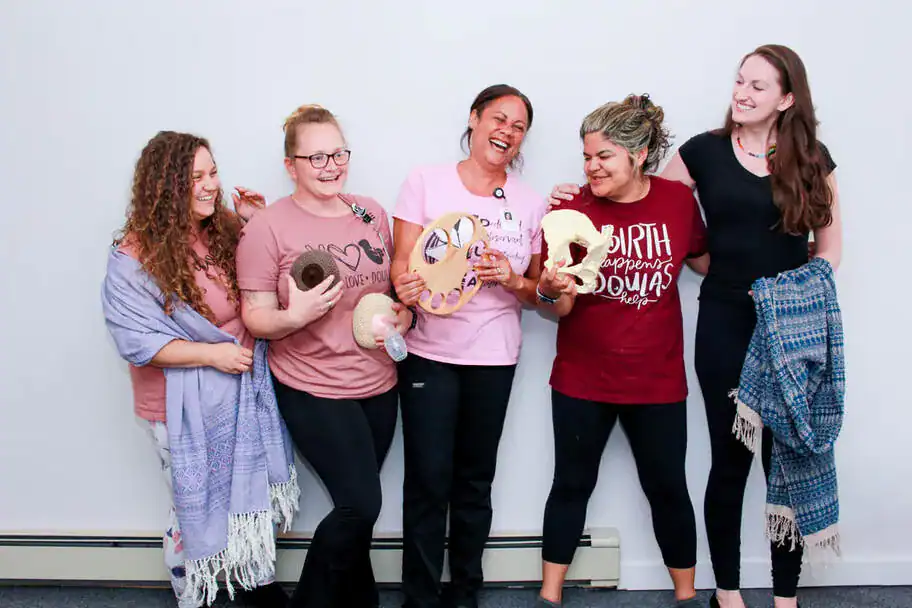
Show Notes

We welcome guest naturopath Dr. Cynthia Hall to the show to talk to us about improving fertility.

Join as we discuss:

  • How tracking your cycle improves your overall health
  • Markers for inflammation
  • Prenatal Vitamins
  • Trauma from an energetic standpoint
  • The ways nutrition helps improve fertility

NOTE* We discussed with Dr. Hall after the show that beef liver is safe to take during conception and pregnancy. The concern is too much vitamin A but the studies have shown it’s only with Vitamin A supplementation not in food. Take in smaller doses and work with a practitioner or doula educated in nutrition. Beef liver has a lot of important vitamins and minerals for pregnancy, especially copper. Check out this article.

Resources Mentioned:

Watch

Listen

For many families, the path to pregnancy is not as straightforward as they hoped. In this episode, I sit down with Dr. Cynthia Hall, a naturopathic doctor and acupuncturist at Maple Fertility & Wellness in Amherst, New Hampshire. Dr. Hall blends up-to-date evidence with traditional medicine, and we cover how to support fertility naturally, what to look for in a prenatal vitamin and what your cycle is really telling you.

What Ovulation Kits Can and Can't Tell You

Ovulation kits detect LH, the signal your brain sends to your ovaries. What they can't tell you is whether your ovaries are actually responding to that signal. Dr. Hall finds kits helpful for answering one question (is the signal happening at all?) but cautions that they can become obsessive and take the fun out of intimacy. They're one clue, not the whole picture.

Inflammation and the Body as an Orchestra

Dr. Hall describes the body as an orchestra: if the reproductive "flute section" is off, the real problem may be coming from somewhere else entirely, like the digestive system. Constipation, diarrhea, gas and bloating are some of the easiest signs of inflammation to spot. Inflammation can affect both ovulation and implantation, and foods that irritate your system (gluten is a common one) can quietly contribute.

Don't Overlook the Second Half of Your Cycle

Progesterone is the key hormone after ovulation; it maintains the uterine lining and creates a welcoming environment for implantation. Signs that progesterone may be low include spotting in the week before your period, irregular cycles, acne along the chin and jawline, hair loss and changes in mood or sleep. Chronic stress plays a big role here, since your body reads ongoing stress as being under attack.

Your Cervical Fluid Holds Valuable Clues

Cervical fluid naturally changes throughout your cycle. The most fertile type is clear, stretchy and similar to egg whites; it creates "racetracks" that guide sperm toward the egg. You can check it by gently sweeping the cervix with a clean finger or, less invasively, on toilet paper after a bowel movement. Notice whether it's sticky, wet, stretchy, clumpy or dry. Because it's made largely of water and fatty acids, drinking enough water (Dr. Hall suggests at least 40 ounces a day) and eating healthy fats like nuts, seeds, avocado and olive oil matter.

Nutrition Basics for Fertility

There's no perfect diet for everyone, but Dr. Hall sees a few consistent themes:

  • Eat more protein: protein is the backbone of many hormones; aim for roughly 60 to 80 grams a day
  • Pair protein and healthy fats at every meal: this helps steady blood sugar, which reduces inflammation
  • Reduce processed foods where you can: look for short ingredient lists you can pronounce
  • Cut back on foods that upset your digestion: even getting to 95% can make a real difference

Choosing a Quality Prenatal Vitamin

Dr. Hall recommends a prenatal for anyone of menstruating age who may want to conceive, and she suggests this is not the place to cheap out. Look for professional brands with quality assurance and avoid titanium dioxide and dyes. A telltale sign of a good prenatal? Certain B vitamins will turn your urine bright yellow. Most people also need additional iron beyond what's in a prenatal; she often recommends iron bisglycinate taken at night to reduce nausea and constipation. Save beef liver for postpartum, since its vitamin A content is hard to measure.

Common Threads: Thyroid, Stress and Blood Sugar

Many of Dr. Hall's patients have been told their hormones are "fine." Digging deeper often reveals subclinical thyroid issues, which is why she looks at a full thyroid panel including antibodies. She also sees depleted adrenals, like a bucket that keeps getting poured out and never refilled, and blood sugar dysregulation, which is strongly linked to PCOS. When the body is in survival mode, reproduction is the last thing on its list.

Where to Start

  • Get on the same page with your partner: it takes two, so talk about what you each need
  • Take your foot off the gas: schedule something fun each week that has nothing to do with conceiving
  • Hydrate: add electrolytes without added sugar, especially in hot weather
  • Let go of the "perfect" diet and weight: you can be healthy at any size
  • Prioritize sleep: notice if you're waking between 1 and 3 a.m. and protect your wind-down time
  • Set boundaries: with family, work and your phone (especially if your feed is full of baby content)
  • Read the internet with a grain of salt: what worked for someone else may not be right for you

Dr. Hall recommends The Fifth Vital Sign and the work of Dr. Lara Briden for further reading on hormones. You can find her at maplefertility.com, where she offers free 15-minute discovery calls.

Listen to the full episode for Dr. Hall's complete insights on natural fertility support, from cycle tracking and cervical fluid to nutrition, prenatals and the power of personalized care.

A Gift for Podcast Listeners

Thank you for listening. Take 20% off our Guide to Out of Hospital Birth with code PODCAST20 and feel ready for the birth you’re hoping for.

latest episodes

More learning and inspiration for your birth journey

Free Download

Clear Out the Noise with the Calm Start Toolkit

Your essential guide to preparing for birth with confidence. Includes checklists, comfort measures and conversation starters for your birth team.

Parent cradling a baby's feet in a dim room

ON THE BLOG

What Families Are
Turning to Right Now

The question on your mind is the wisdom we’re sharing.

Partner supporting a laboring mother at the edge of a birth pool

Doula and Birth Care

A Doula’s (First-Time) Birth Story: Home Birth to Cesarean

Like so many births, mine unfolded in a way I never expected, and shaped me in the deepest ways imaginable. I’m sharing my birth story […]

  • Keep Reading

How to Choose the Best Breast Pump: A Doula and Lactation Educator’s Guide

Postpartum Life

=

The Golden Hour: Protecting the Sacred First Moments After Birth

Labor Education

=

10 Questions to Ask When Interviewing a Doula

Doula and Birth Care

=

Beyond the Podcast

Explore HBB Academy

Ready to dive deeper? HBB Academy offers self-paced courses and downloadable resources that expand on what you're learning here. From birth prep to newborn care, find the tools that fit your timeline.

want even more support?

These free resources are a great place to start. And if you're looking for personalized, hands-on guidance, we're here for you with our services, classes and group offerings.

Contact us today to book a free consult and learn how we can support your unique journey. 

Birth Doula Support

Birth Doula Support

Continuous, compassionate care before, during and after labor. Our doulas provide evidence-based guidance and steady emotional presence to help you feel confident, supported and seen throughout your birth experience.

Postpartum Doula Support

Postpartum Doula Support

A beautiful transition has happened, and you are finally home with baby. Now what? Postpartum doulas provide endless support and guidance for an easeful shift.

Placenta Encapsulation + More

Placenta Encapsulation + More

Natural, holistic support for postpartum healing. We offer placenta encapsulation, tinctures, keepsakes and more. Designed to support wellbeing and promote steady recovery as you settle into life with your baby.

Education & Community

Education & Community

You deserve steady support as you grow into each new stage of parenthood. We offer evidence-based childbirth and lactation classes, pay-what-you-can support groups and HBB Academy with courses and free resources; all created to help you feel prepared, connected and empowered.

Birth Doula Support

Continuous, compassionate care before, during and after labor. Our doulas provide evidence-based guidance and steady emotional presence to help you feel confident, supported and seen throughout your birth experience.

Postpartum Doula Support

A beautiful transition has happened, and you are finally home with baby. Now what? Postpartum doulas provide endless support and guidance for an easeful shift.

Placenta Encapsulation and More

Natural, holistic support for postpartum healing. We offer placenta encapsulation, tinctures, keepsakes and more. Designed to support wellbeing and promote steady recovery as you settle into life with your baby.

Education & Community

You deserve steady support as you grow into each new stage of parenthood. We offer evidence-based childbirth and lactation classes, pay-what-you-can support groups and HBB Academy with courses and free resources; all created to help you feel prepared, connected and empowered.

Hand-drawn flowering branch

Keep Learning

Everything you need to feel ready, right here.

Our free resources are available instantly in our convenient online academy.

No pressure, no clickbait. Just support that meets you where you are.